Short Answer
In the realm of body art, tattoos have become a popular expression of individuality. Yet, as preferences evolve, many individuals find themselves regretting their ink. This sentiment has propelled the demand for laser tattoo removal equipment, which offers a solution for those wishing to erase their past choices. However, with so many options available, how does one navigate the intricate landscape of laser tattoo removal equipment? Let’s embark on a comprehensive exploration of types, costs, and essential safety considerations.
Understanding Laser Tattoo Removal
Before delving into the specifics of equipment types, it is vital to comprehend how laser tattoo removal works. The process employs high-intensity laser beams that penetrate the skin and break down the ink particles embedded within. The body’s immune system then gradually removes these smaller particles over time. This method is deemed more effective than topical treatments or dermabrasion, making it the gold standard in tattoo removal.
Types of Laser Tattoo Removal Equipment
The landscape of laser tattoo removal equipment is multifaceted, with various lasers crafted for specific ink types and skin tones. Understanding these distinctions is crucial for anyone considering the option.
1. Q-Switch Lasers
Q-switch lasers are the most prevalent type of laser used for tattoo removal. They deliver short bursts of high-energy light that effectively fragment tattoo ink. This category includes two primary types:
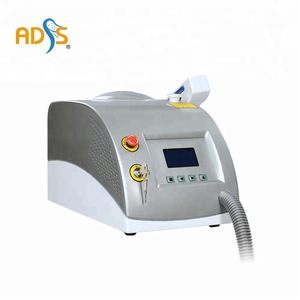
- Q-Switched Nd:YAG Lasers: Ideal for black and dark ink tones, these lasers can penetrate deeper into the skin. The RY280 laser tattoo removal machine exemplifies this category, providing a robust solution for a range of tattoo colours.
- Q-Switched Ruby Lasers: Best suited for lighter inks, particularly greens and blues. They operate at a different wavelength, which can target specific colours more efficiently.
2. Pico Lasers
Pico lasers represent the pinnacle of tattoo removal technology. Utilizing picosecond pulses, they activate a more effective breakdown of ink particles, leading to potentially fewer sessions and reduced discomfort. This innovative method demonstrates superior efficacy, especially for stubborn colours such as blues and greens.
3. Alexandrite Lasers
These lasers are particularly potent for lighter skin types and offer outstanding performance on vibrant ink colours. Their methods involve a longer wavelength, making them somewhat less versatile than Q-switch lasers but highly effective for specific tattoos.
4. Erbium Lasers
While slightly less common, erbium lasers are valuable for treating smaller tattoos or those situated in sensitive areas. They are often employed for skin resurfacing and can be used in conjunction with other methods for enhanced results.
The Costs of Laser Tattoo Removal
1. Equipment Type
As anticipated, the sophistication of the technology influences costs. Pico lasers, while delivering superior results, usually command a higher price point than Q-switch systems.
2. Tattoo Size and Complexity
The size of the tattoo and the complexity of its design directly correlate with treatment costs. Larger tattoos or those featuring multiple colours often require more sessions, further elevating the overall expense.
3. Geographic Location
The geographical area where the treatment is provided can also impact costs. Urban centres tend to have higher prices due to increased overhead costs.
On average, patients can expect to pay between £50 to £500 per session. It is essential to consult with qualified professionals to receive tailored quotes, as well as an estimation of the number of sessions required for optimal results.
Safety Considerations
With great power comes great responsibility, especially when it involves skin treatments. Safety is paramount in laser tattoo removal. Here are crucial considerations to ponder:
1. Professional Training
Always seek a licensed professional with specialised training in laser procedures. The expertise of the practitioner can dramatically influence the safety and efficacy of the treatment.
2. Skin Assessment
A thorough assessment of skin type and tattoo characteristics should be conducted prior to treatment. Certain skin tones may react differently to laser treatments, making this an essential step for safety.
3. Post-Treatment Care
Aftercare is a crucial element that can mitigate adverse effects. Following treatment, individuals must adhere to prescribed care guidelines, including avoiding sun exposure and using specific soothing ointments.
Looking Forward
The world of tattoo removal is ever-evolving, with advancements in technology paving the way for more effective and safer options. As new equipment becomes available, those wishing to erase their ink can look forward to a more streamlined and comfortable experience.
Ultimately, while tattoo removal equipment is undeniably sophisticated, it is vital to approach the process with informed caution. How can one balance the desire for a clean slate with the inherent risks and costs involved? This question underscores the importance of thorough research and professional guidance in making this life-altering decision.
As body art continues to flourish, so too does the technology aimed at addressing its unfortunate consequences. For those grappling with ink regrets, the journey towards reclaiming their skin is just a step away — albeit one that requires careful thought and consideration.
FAQ
What types of lasers are used for tattoo removal?
There are several types of lasers used for tattoo removal, including Q-Switch lasers, Pico lasers, Alexandrite lasers, and Erbium lasers, each designed for specific ink colors and skin types.
How much does laser tattoo removal cost?
The cost of laser tattoo removal can vary widely depending on the size of the tattoo, the type of laser used, and the number of sessions required.
Is laser tattoo removal safe?
Yes, when performed by a qualified professional, laser tattoo removal is generally considered safe, although some risks and side effects can occur.
FAQ
What types of lasers are used for tattoo removal?
There are several types of lasers used for tattoo removal, including Q-Switch lasers, Pico lasers, Alexandrite lasers, and Erbium lasers, each designed for specific ink colors and skin types.
How much does laser tattoo removal cost?
The cost of laser tattoo removal can vary widely depending on the size of the tattoo, the type of laser used, and the number of sessions required.
Is laser tattoo removal safe?
Yes, when performed by a qualified professional, laser tattoo removal is generally considered safe, although some risks and side effects can occur.
FAQ
How does laser tattoo removal work?
Laser tattoo removal works by using high-intensity laser beams that penetrate the skin and break down the ink particles, which are then gradually removed by the body’s immune system.
What types of lasers are used for tattoo removal?
Common types of lasers include Q-Switch Lasers, Pico Lasers, Alexandrite Lasers, and Erbium Lasers, each designed for specific ink types and skin tones.
Is laser tattoo removal safe?
Yes, when performed by a qualified professional, laser tattoo removal is generally considered safe. However, potential side effects and risks should be discussed before treatment.


Leave a Reply