Short Answer
The play “An Inspector Calls,” written by J.B. Priestley, stands as a hallmark of modern theatre, ingeniously intertwining complex social themes with compelling character dialogues. The narrative unfolds in a hauntingly reflective manner, examining the moral fabric of early 20th-century society. While the storyline itself is compelling, it is the incisive quotes that resonate through time, sparking introspection and unease. This exploration into the best quotes from “An Inspector Calls” dismantles faculties of human behaviour, societal responsibilities, and the overarching quest for redemption.
The Interconnectedness of Humanity
One of the overarching themes in “An Inspector Calls” is the inherent interconnectedness of human lives. The Inspector, a pivotal figure in the play, asserts this notion succinctly: “We are responsible for each other.” This declaration ignites a fervent debate on social responsibility. Priestley’s intention here is clear; he urges audiences to recognise their duty not only to themselves but to the community at large. The significance of this quote becomes palpably evident as the Birling family confronts their roles in the plight of Eva Smith. The stark realization that their individual choices ripple outward, affecting lives they may never directly see, challenges the audience’s perspective on personal responsibility.
The Illusion of Social Status
As the curtain rises on the Birling family’s affluence, it becomes apparent that status is a mere facade. Arthur Birling’s belief in the invulnerability of his class status is encapsulated in his self-assured proclamation: “The Germans don’t want war, nobody wants war.” This misguided confidence foreshadows the impending doom faced by his family and, allegorically, society at large. A broader commentary emerges here on how ignorance and complacency within the upper echelons contribute to societal failures. Through this statement, Priestley critiques the era’s unwavering faith in capitalist ideals, subtly suggesting that such blind optimism can have catastrophic repercussions.
Generational Conflict and Change
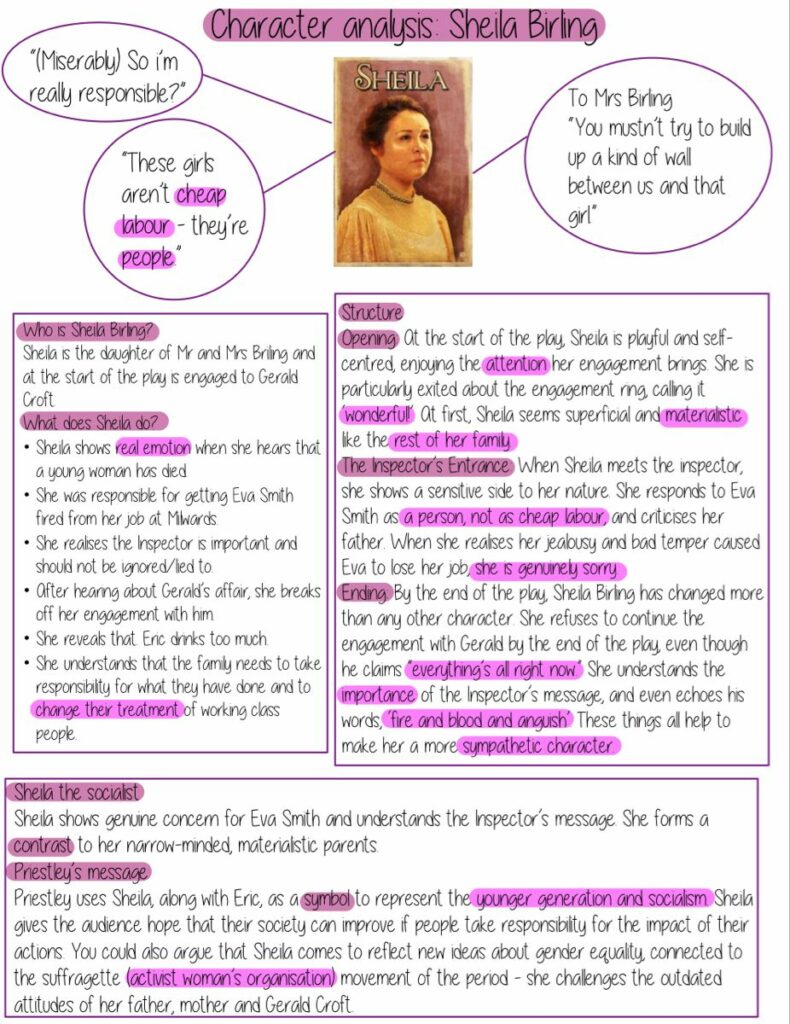
The generational divide is poignantly illustrated through the evolution of Sheila Birling’s character. In her moment of awakening, she boldly exclaims, “I know I’m to blame—it’s my fault.” This admission not only signifies her burgeoning awareness but also symbolizes the potential for transformation within a younger generation. The juxtaposition to her parents’ reluctance to accept responsibility invites an analysis of hope. Priestley projects Sheila as a beacon of change, embodying the belief that the youth can challenge antiquated notions and engender a more compassionate society. Hence, this pivotal quote emerges as a clarion call for accountability and growth, fostering curiosity about the potential for positive societal shifts.
Morality Versus Capitalism
Throughout “An Inspector Calls,” Priestley deftly navigates the fraught relationship between morality and capitalism. When the Inspector chillingly states, “But just remember this. You’re not going to think that we’re all like you,” he confronts Mr. Birling’s capitalist ideology head-on. This moment is crucial, as it challenges the audience to consider the moral implications of profit-driven motives. It raises the perennial question: at what cost does success come? By juxtaposing the Birlings’ wealth with the harrowing fate of Eva Smith, the play invites a critical commentary on economic disparity and ethical responsibility. The resonance of this quote remains palpable, stirring a reconsideration of personal values in a consumer-driven world.
Illusion, Guilt, and Conscience
Themes of guilt and the haunting spectre of conscience pervade the narrative, epitomised in the line, “You don’t know what you’re talking about.” This retort, directed by the Inspector towards Gerald Croft, encapsulates the pervasive denial that often accompanies privilege. Gerald’s struggle with his conscience emerges as an internal battle reflective of societal indulgence—it compels the audience to introspectively examine their own moral dilemmas. In this instance, the Inspector serves not only as a catalyst for accountability but also as a mirror, reflecting back the audience’s own complicity in societal injustices. The ethereal quality of this quote lies in its ability to transcend the stage, prompting individuals to confront uncomfortable truths about their actions.
The Role of Women in Society
The portrayal of women within the play also merits exploration, particularly through the lens of Eva Smith’s tragic story. When Sheila states, “I had her turned out of the job…,” it shines a glaring light on the gender dynamics of the time. This line acts as a poignant reminder of the systemic oppression faced by women, encapsulating the harrowing effects of patriarchal authority. It serves to challenge audiences to grapple with the historical treatment of women, igniting discussions surrounding gender equality and the necessity for systemic change. Sheila’s journey towards empathy is entwined with her recognition of social injustice—and this pivotal quote encapsulates her evolution from innocence to awareness.
Final Reflections
In conclusion, the best quotes from “An Inspector Calls” beyond mere dialogue serve as vehicles for profound thematic exploration. Each phrase offers insights into human behaviour, societal constructs, and the transformative power of accountability. Priestley crafts a narrative that resonates with readers and audiences across generations, invoking a constant reevaluation of personal beliefs and societal norms. As we immerse ourselves in these quotes, we are invited not only to reflect on the play itself but also to reconsider our own place within the intricate tapestry of human existence, urging a collective commitment to create a more empathetic and interconnected world.
FAQ
What are the main themes in 'An Inspector Calls'?
The main themes include social responsibility, the illusion of social status, generational conflict, morality versus capitalism, and the role of women in society.
Who is the author of 'An Inspector Calls'?
The author is J.B. Priestley, a notable British playwright.
FAQ
What are the main themes in 'An Inspector Calls'?
The main themes include social responsibility, the illusion of social status, generational conflict, morality versus capitalism, and the role of women in society.
Who is the author of 'An Inspector Calls'?
The author is J.B. Priestley, a notable British playwright.
FAQ
What are the main themes in 'An Inspector Calls'?
The main themes include social responsibility, the illusion of social status, generational conflict, morality versus capitalism, and the role of women in society.
Who wrote 'An Inspector Calls'?
‘An Inspector Calls’ was written by J.B. Priestley in 1945.


Leave a Reply