Short Answer
When it comes to achieving a dazzling smile, braces can be an invaluable ally. However, many individuals remain unaware of the signs that whisper “your teeth need a makeover.” Understanding the indicators that signal the necessity for braces can not only enhance your aesthetic appeal but also improve your dental health. This article elucidates the top signs that your smile may require intervention, promising a shift in perspective on what it means to maintain optimal oral wellness.
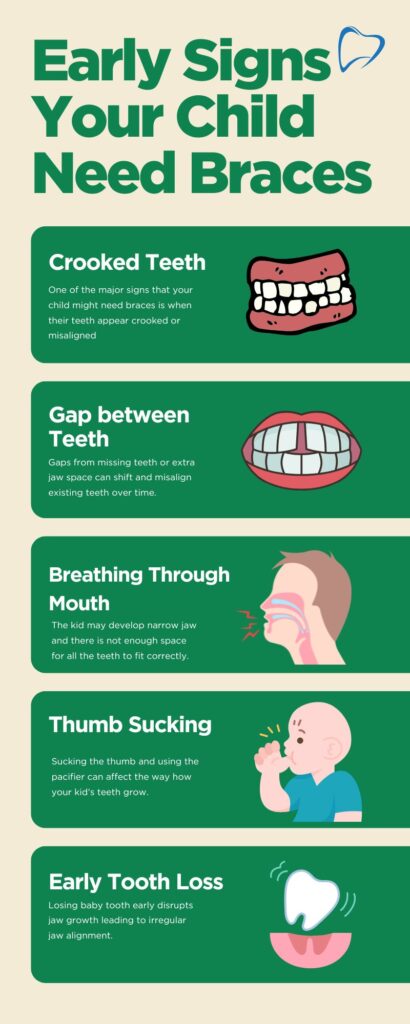
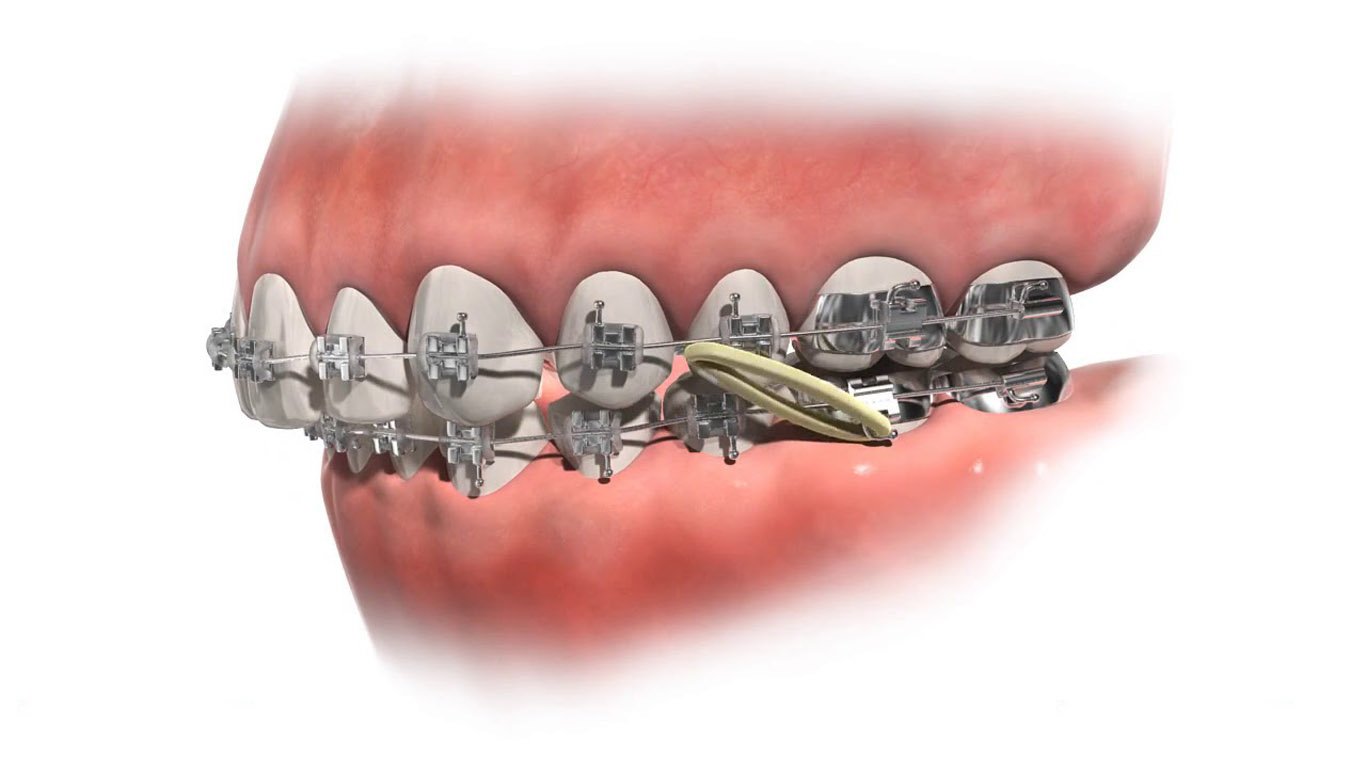
Firstly, one of the most conspicuous signs that braces may be warranted lies in the realm of misalignment. If your teeth appear crooked or crowded, it’s not merely a cosmetic concern. Misaligned teeth can harbor a plethora of dental issues such as plaque accumulation and increased risk of gum disease. The teeth may overlap, making it challenging to clean effectively. In such cases, braces can facilitate the alignment of your teeth, fostering not only beauty but also better oral hygiene.
Another significant indicator is the presence of gaps between teeth. Often resulting from genetic factors or the size discrepancy between teeth and jaw, these spaces can lead to more than just aesthetic dilemmas. Gaps can disrupt the bite and may cause complications like jaw discomfort or temporomandibular joint disorders (TMJ). Consequently, braces can aid in closing these spaces, resulting in a more harmonious bite.
Moreover, if you experience difficulties when biting or chewing, the necessity for braces could be lurking just beneath the surface. A proper bite ensures that your teeth mesh seamlessly together. Should your upper and lower teeth not align correctly—known as malocclusion—it can lead to uneven wear, jaw pain, and discomfort. Identifying this need for braces early on can mitigate further complications down the line.
Furthermore, an often-overlooked sign that warrants consideration is the frequency of your jaw clenching or teeth grinding, known as bruxism. Many individuals are unaware that they are exhibiting these behaviours, particularly during sleep. However, they can lead to significant dental wear, heightened sensitivity, and even jaw pain. Braces can provide corrective measures that not only align the teeth but also alleviate the associated strain on the jaw.
In addition to these physical manifestations, it’s crucial to pay attention to how your smile makes you feel. A lack of confidence in your smile can adversely affect your self-esteem and social interactions. If you find yourself hiding your teeth when smiling or refraining from social gatherings due to dental insecurities, it may be time to consult an orthodontist. Braces can transform not only your smile but also your outlook on life, promising a renewed sense of self-assurance.
Another point to consider is the aspect of periodontal health. If you are prone to conditions such as gum disease, it’s worth bearing in mind that crowded or misaligned teeth can contribute to poor oral hygiene, thereby exacerbating these issues. By correcting the alignment of your teeth with braces, you can foster healthier gums and reduce the likelihood of developing more serious conditions in the future. Healthy gums mean a more robust foundation for your teeth, making braces not just a superficial enhancement but a crucial step in your overall oral health.
As you assess your dental condition, it’s beneficial to keep an eye on the alignment of the jaw as well. If you notice a pronounced overbite—where the upper teeth significantly overlap the lower teeth—this can lead to a myriad of problems, including difficulty in closing your mouth comfortably. An underbite, where the lower teeth protrude beyond the upper, poses similar concerns. Corrective measures through the use of braces can rectify these discrepancies, ensuring that your jaw functions harmoniously.
It’s equally valuable to remain mindful of persistent discomfort or pain in your teeth, gums, or jaw. Chronic pain might indicate underlying issues necessitating professional intervention. While it may be tempting to dismiss such discomfort as a mere inconvenience, it could be your body’s way of signalling that your dental structure requires attention. Braces can alleviate these issues and redefine your dental experience.
Another subtle indication of the need for braces might be recurring toothaches or sensitivity. Teeth that are crowded or misaligned often experience abnormal pressure, which can lead to nerve irritation and discomfort. Regular visits to an orthodontist can unveil the hidden causes behind these symptoms, leading you to discover the restorative powers of braces.
In conclusion, recognising the multifaceted signs that indicate the need for braces is pivotal for both your dental aesthetics and overall health. From misalignment and gaps to the psychological impact of your smile, the reasons to seek orthodontic care are profoundly intertwined with both physical and emotional facets of well-being. By addressing these concerns early, you stand to gain not just a straightened smile, but also improved confidence, comfort, and health. So, if you find yourself nodding along with any of these signs, consider taking the next step towards a more luminous, harmonious smile.
FAQ
What are the main signs that indicate I need braces?
Common signs include crooked or crowded teeth, gaps between teeth, bite problems such as overbite or underbite, jaw pain, teeth grinding (bruxism), and difficulty chewing.
Can braces improve my dental health or are they just for appearance?
Braces improve both dental health and appearance by aligning teeth, which facilitates better oral hygiene, reduces risk of gum disease, corrects bite problems, and alleviates jaw discomfort.
How do I know if my bite is misaligned?
If your upper and lower teeth do not fit together properly when you close your mouth, causing discomfort, uneven wear, or difficulty chewing, it may indicate malocclusion requiring braces.
Is teeth grinding related to needing braces?
Yes, bruxism can be related to misaligned teeth or bite issues. Braces can correct alignment and relieve strain on the jaw caused by grinding.
When should I consult an orthodontist about braces?
You should consult an orthodontist if you notice signs like crooked teeth, gaps, bite problems, jaw pain, or if you feel self-conscious about your smile.


Leave a Reply