Short Answer
Security guards play a crucial role in maintaining safety and order in various environments, from shopping centres to corporate offices and public events. However, one question often arises in the minds of the public: “Can security guards touch you?” This query isn’t merely rooted in curiosity; it delves into the legal parameters governing the use of force by security personnel in the United Kingdom. Understanding these regulations can significantly alter perspectives and lead to a more informed discussion about personal rights and professional responsibilities.
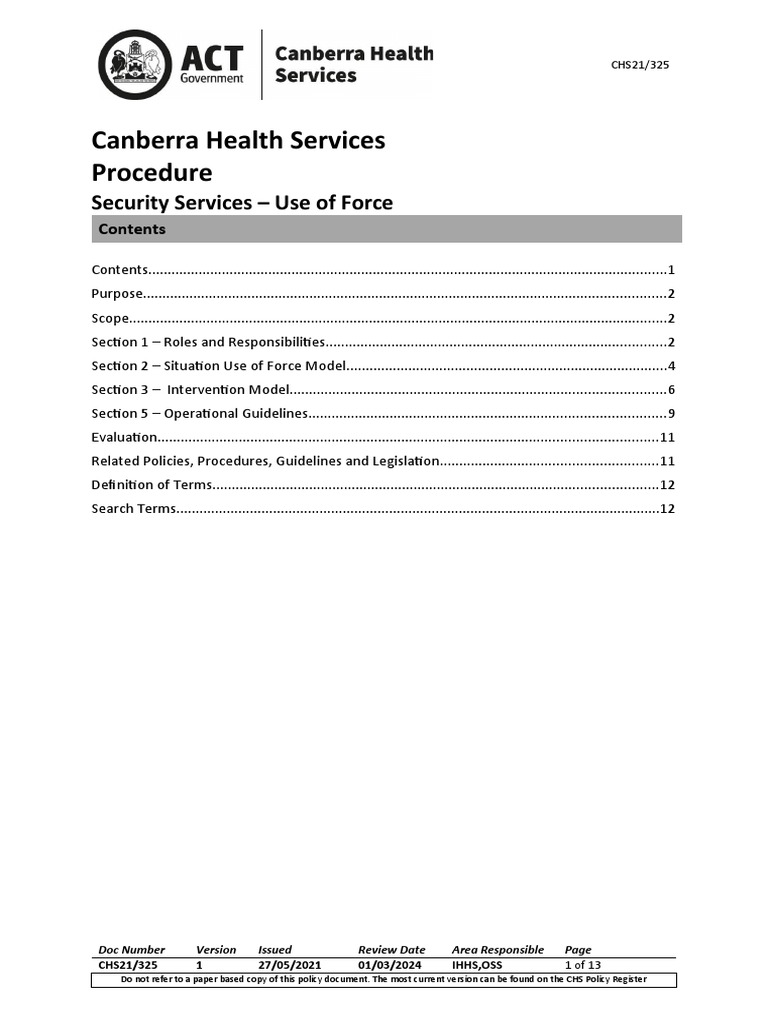
To begin with, it is essential to clarify what is meant by the term ‘use of force’. In the context of UK law, use of force refers to the application of physical power to manage or control a situation. This can range from verbal persuasion to physical restraint. The scale of permitted actions varies significantly, depending on the individual’s role, the context of the situation, and the nature of the enforcement being applied. Therefore, the question of whether security guards can touch you is intricately linked with these factors.
Primarily, it is worth noting that security guards do not possess the same legal authority as police officers. The powers granted to them are limited and generally applicable to the premises for which they are responsible. Under common law, citizens are allowed to use reasonable force to prevent a crime, and security guards operate under a similar premise. They are expected to act to prevent harm to themselves, others, and property. However, what constitutes ‘reasonable force’ can be subjective and is often a point of contention.
In instances where a security guard might feel it is necessary to intervene physically, they should follow a set of guidelines conforming to UK laws. First and foremost, the use of force must be proportional and necessary. For example, if a situation escalates to a point of physical confrontation, a security guard may intervene to restrain an individual posing a threat. However, the force applied must be appropriate to the level of threat faced. Excessive force or any form of punitive action could have legal repercussions and might lead to civil liability.
Interestingly, the realm of legality expands further when examining the concept of ‘reasonable belief’. Should a security guard have a reasonable belief that a crime is being committed or that a situation warrants intervention, they may act upon that belief. This necessitates a keen understanding of the surrounding context and the potential consequences of their actions. For example, preventing shoplifting could justifiably warrant some level of physical touch, but the methods must remain within the bounds of the law. Encountering a perceived threat can lead to a knee-jerk reaction; thus, training and awareness are vital for security personnel.
Moreover, the application of physical touch extends into various categories of interaction. For example, an escorting touch may be acceptable when guiding someone out of a venue. Conversely, seizing an individual by the arm with excessive force can lead to claims of assault. It is profoundly interesting how interpreting the phrase ‘can security guards touch you’ delves into ethical considerations as much as into legal definitions.
Legally, touching someone without consent can lead to issues related to assault. Although in a bustling urban setting, the dynamics may differ, making the nuances more complex. Consider this: if a security guard gently places a hand on someone’s back to navigate a crowded queue, this might be seen as a benign gesture of assistance. However, a heavy-handed grasp intended to immobilise a person could very well violate personal autonomy and legal statutes alike. Understanding these differentiating factors can shift how we perceive the role and responsibilities of security personnel.
It is vital to consider the policies implemented by individual organisations regarding the use of force. Many establishments provide robust training programmes to ensure security guards understand their limitations and the legal implications of their actions. This training often emphasises conflict resolution and de-escalation techniques, promoting non-violent interactions, which in turn fosters a safer environment for everyone involved.
Furthermore, the advent of CCTV and surveillance technology has added a layer of accountability. Incidents involving security guards can now be thoroughly analysed post-factum. Video evidence can either vindicate or incriminate security personnel, making it imperative for each interaction to be approached with caution and prudence. This technological advancement cultivates a more regulated environment where security personnel must remain vigilant about their actions, promising a shift towards more professional conduct.
In summary, while there may be scenarios where security guards can indeed touch you under UK law, the foundation of such actions is built upon the principles of necessity, proportion, and context. Awareness of your rights can empower you, allowing you to navigate interactions with security guards more effectively. As societal norms evolve, so too does the understanding of personal space, authority, and the ramifications of physical intervention. Engaging with these considerations can foster a more equitable discourse about security, legality, and individual rights. So next time you encounter a security guard in your vicinity, consider these dynamics at play—your newfound understanding may shift your perspective and inspire thoughtful conversation about safety and authority in public spaces.
FAQ
Can security guards physically touch individuals?
Yes, under certain circumstances and within legal boundaries, security guards can touch individuals, but the force must be necessary and proportional.
What constitutes reasonable force by security guards?
Reasonable force is the minimum amount of force necessary to prevent harm or manage a situation, varying based on context.
Do security guards have the same authority as police officers?
No, security guards have limited authority and operate under different legal frameworks compared to police officers.
FAQ
Can security guards physically touch individuals?
Yes, under certain circumstances and within legal boundaries, security guards can touch individuals, but the force must be necessary and proportional.
What constitutes reasonable force by security guards?
Reasonable force is the minimum amount of force necessary to prevent harm or manage a situation, varying based on context.
Do security guards have the same authority as police officers?
No, security guards have limited authority and operate under different legal frameworks compared to police officers.


Leave a Reply