Short Answer
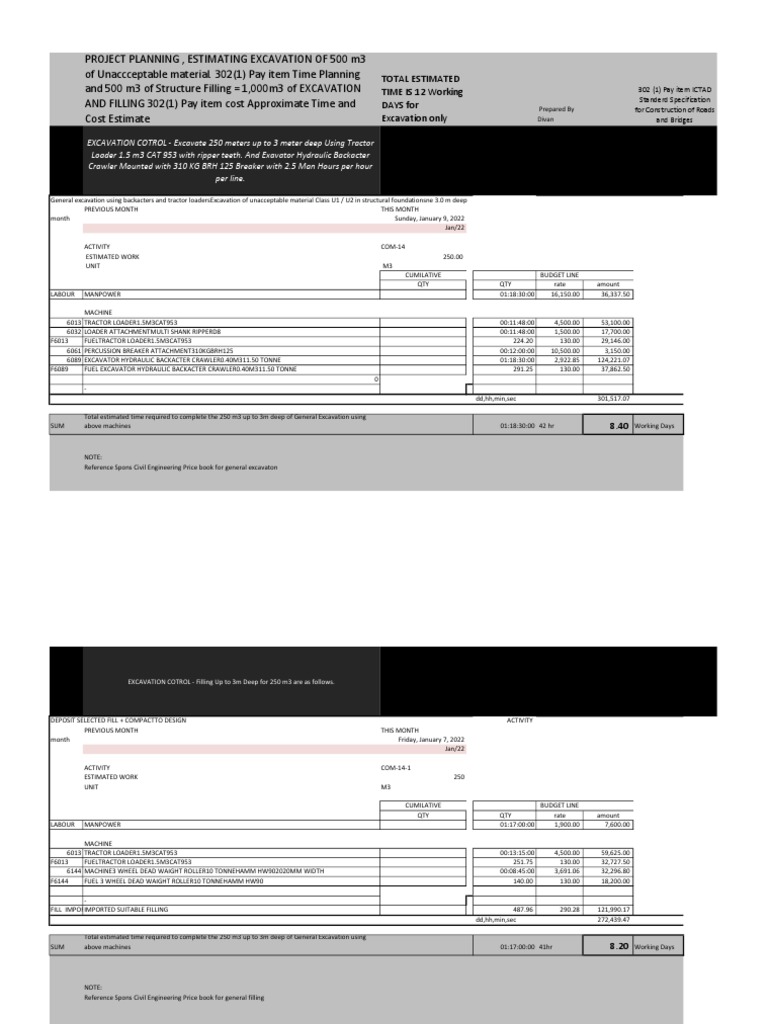
When embarking on a construction project in Nigeria, understanding excavation costs is pivotal. This process, often one of the first steps in any construction, involves removing soil and rocks to create a foundation for buildings or infrastructure. This article delves into the intricacies of excavation costs per cubic metre (m³) in Nigeria, offering invaluable budgeting tips for prospective builders.
Excavation costs can vary widely due to numerous factors including site location, soil type, and accessibility. The average rate for excavation per m³ typically ranges from ₦3,000 to ₦7,500. However, these figures are subject to fluctuations influenced by economic conditions and regional disparities. In urban areas such as Lagos or Abuja, costs tend to be on the higher end of the spectrum due to increased demand and limited availability of skilled labour.
Before diving deeper into cost implications, it is essential to categorise the types of excavation that may be required:
- Earth Excavation: The most common type, involving the removal of soil to form a level base.
- Rock Excavation: More labour-intensive, this encompasses the removal of rocky terrains that often requires specialized equipment.
- Trenching: This method is specifically for creating narrow excavated channels for utilities or drainage.
- Stripping: This involves removing the topsoil layer to expose the subsoil beneath, particularly important for landscaping projects.
Each excavation type presents unique challenges that can impact overall costs. For example, rock excavation generally incurs higher expenses due to the need for advanced machinery and increased man-hours. Additionally, if the site is remote or inconveniently located, transportation costs for equipment and workers may also contribute significantly to the budget.
In order to navigate the complex landscape of construction costs in Nigeria, it is crucial to consider the following factors that can influence excavation rates:
- Soil Composition: The density and composition of the soil play a critical role in determining the difficulty of excavation and subsequently, the cost. Clay soils may be harder to excavate than sandy soils.
- Site Conditions: Properties with slope or uneven terrain may require additional preparation and stabilisation, thus increasing costs.
- Environmental Considerations: Excavation projects may encounter regulatory hurdles, especially in ecologically sensitive areas, leading to potential delays and additional expenses.
- Equipment Required: The choice between using manual labour or heavy machinery significantly impacts the financial outlay. Excavators and bulldozers, while more efficient, also incur operating costs.
Understanding these elements can help project managers create a more accurate budget. For instance, opting for manual methods might reduce immediate costs but could extend the project timeline, leading to increased labour costs over an extended period.
Moreover, obtaining multiple quotes from excavation contractors is beneficial. It provides a broader perspective on average rates and allows project managers to negotiate better terms based on prevailing market conditions. When assessing contractors, also consider their reputation and experience, as current projects reflect their ability to manage costs effectively.
Budgeting for unexpected expenditures is another critical aspect of excavation project management. It is common for projects to encounter unforeseen issues such as encountering underground utilities or contaminated soil. Setting aside approximately 10-15% of the total excavation budget as a contingency can help mitigate risks associated with these uncertainties.
In terms of financing an excavation project, understanding the range of available options can optimise cash flow. From traditional bank loans to government grants aimed at promoting infrastructure development, exploring all avenues will ensure there are sufficient funds to cover both expected and unexpected costs.
If engaging contractors, clarify payment structures as well. Some may favour a milestone payment approach, allowing for payments to be made as various stages of excavation are completed. This not only secures quality work but also helps in managing cash flow.
Furthermore, leveraging technology can provide innovative solutions to cost management. Employing construction management software can improve budgeting accuracy and oversight, providing real-time updates on excavation expenses as the project progresses. This transparency allows for quick adjustments and strategic decisions to be made when necessary.
Lastly, actively engaging in sustainable practices during excavation can also result in long-term cost savings. Recycling excavated materials, such as reusing soil for fill or landscaping, can reduce new material costs. Emphasising environmental stewardship not only aids in financial savings but also enhances the overall public perception of the project.
In conclusion, excavation costs in Nigeria reflect a myriad of factors that construction managers must navigate astutely. Understanding the unique requirements of different excavation types, budgeting for contingencies, exploring financing options, and incorporating technology will empower builders to execute projects efficiently. As the construction landscape continues to evolve, adopting innovative strategies while remaining conscious of costs will ensure successful outcomes for any excavation initiative.
FAQ
What is the average excavation cost per cubic metre in Nigeria?
Excavation costs in Nigeria typically range from ₦3,000 to ₦7,500 per cubic metre, depending on factors such as site location, soil type, and equipment used.
What factors influence excavation costs in Nigeria?
Key factors include soil composition, site conditions, environmental regulations, equipment choice, and location-specific economic conditions.
How can I budget effectively for excavation projects?
Consider obtaining multiple contractor quotes, budgeting for contingencies (10-15%), exploring financing options, and incorporating technology for cost management.
Are there sustainable practices to reduce excavation costs?
Yes, recycling excavated materials for fill or landscaping can reduce material costs and improve environmental stewardship.

Leave a Reply