Short Answer
Have you ever felt a nagging pain in your mouth, only to shrug it off as a passing annoyance? What if that persistent ache is actually a signal from your body, warning you that your tooth might be dying? It’s a perplexing thought, isn’t it? Understanding the symptoms of a dying tooth is imperative—not just for your comfort, but also for your overall health. Let’s delve into the telltale signs of a tooth in decline and explore ways to address the situation promptly.
When we think of dental health, we often envision pearly whites gleaming in splendor. However, beneath the surface lies a complex network of nerves, blood vessels, and tissues. A tooth can gradually deteriorate due to various factors, including decay, trauma, or infection. Consequently, recognising the symptoms early can make a significant difference in the treatment process. Here, we’ll dissect the common signs that your tooth may be approaching its expiration date.
1. Persistent Pain
One of the most prominent symptoms of a dying tooth is persistent pain. This pain can manifest in different ways; it might be a constant throbbing or a sharp discomfort that worsens when you chew or apply pressure. The intensity can vary from mild to excruciating, and it often lingers even when you are not eating. This relentless ache serves as a clear beacon, signalling that something is amiss deep within the tooth.
2. Sensitivity to Temperature
A dying tooth often exhibits heightened sensitivity to hot or cold stimuli. If you notice that your tooth reacts adversely to temperature changes—such as ice-cold water or steaming drinks—this could indicate that the pulp is inflamed or damaged. Over time, this sensitivity may escalate, leading to discomfort that can disrupt even the simplest of your daily routines.
3. Discolouration
Be mindful of the colour of your tooth. A significant change in hue—especially if it turns dark or grey—may be a sign of internal decay or damage. When the pulp (the tooth’s nerve and blood supply) dies, it can cause the tooth to lose its vitality, resulting in discolouration. If your once white tooth starts to look like a mottled postcard from a forgotten era, it’s crucial to seek professional evaluation.
4. Swelling and Inflammation
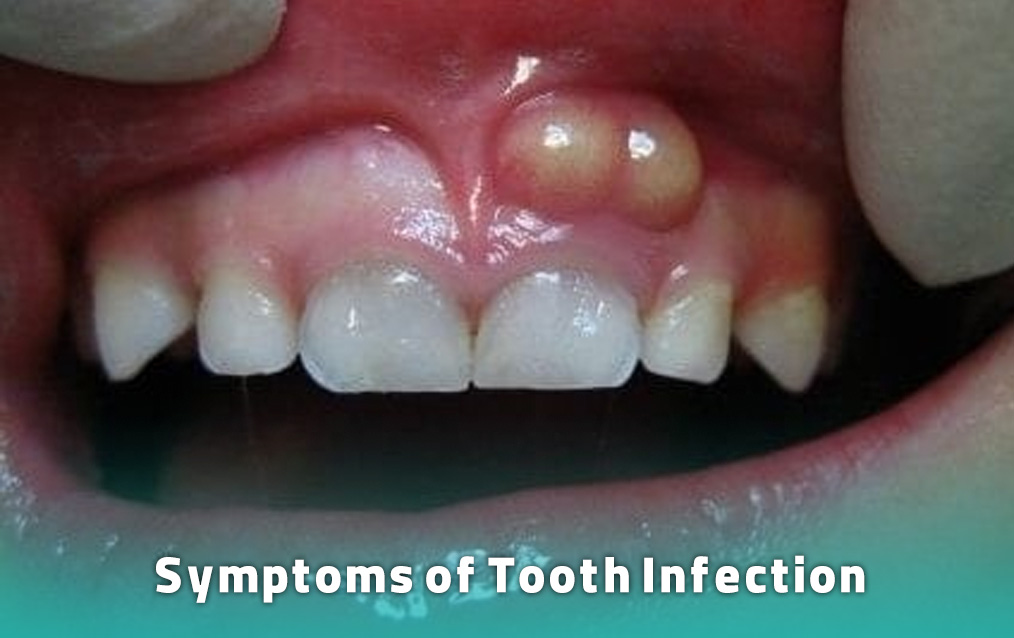
Inflammation surrounding the tooth or in the gums is another critical sign. You may observe swelling around the tooth, which could extend to adjacent tissues. If you feel tenderness in the area or notice that the gums are red and swollen, these symptoms could point to an underlying infection. The inflammation occurs as your body tries to fight off bacteria that have penetrated the tooth’s structure, sending signals that demand attention.
5. Bad Breath or Unpleasant Taste
Have you noticed an unusual taste in your mouth or persistent bad breath? These may seem like trivial inconveniences, but they can indicate deeper issues. A dying tooth can create an ideal environment for bacterial growth and infection, leading to foul odours that are hard to mask. If your toothbrush and mouthwash seem ineffective against the persistent odour, it may be time to investigate the condition of your teeth more thoroughly.
6. Presence of a Fistula or Abscess
In some cases, the body may produce a fistula—a small, pimple-like bump—on the gums as a reaction to infection from a dying tooth. This abscess can be filled with pus and may become painful if not addressed. The presence of a fistula is an urgent signal, implying that the infection is severe and has progressed beyond mere discomfort. Be proactive; ignore these signs at your peril.
7. Tooth Mobility
Lastly, if your tooth feels loose or unstable, this is a significant warning sign. A dying tooth may lose its anchor as the supporting tissues weaken. If a tooth feels as if it is shifting out of its socket, don’t delay in contacting your dental professional. Mobility is not only indicative of a dying tooth but can also lead to various complications if left unattended.
What to Do Fast?
If you find yourself identifying with the symptoms above, it’s crucial to act quickly. Here are some steps you can take:
– Consult Your Dentist: Schedule an immediate appointment with your dentist. They can conduct diagnostic tests to determine the extent of the issues and recommend appropriate treatments.
– Maintain Oral Hygiene: Continue to brush gently and floss around the affected area to prevent further bacteria accumulation. Avoid exacerbating the pain by eating hard or abrasive foods.
– Over-the-Counter Pain Relief: Until you can see a dentist, consider using over-the-counter pain relief medications. These can help alleviate discomfort but should not be viewed as a long-term solution.
– Cold Compress: Applying a cold compress to the outside of your cheek can help reduce swelling and numb the pain temporarily.
The journey to a healthy mouth begins with understanding the signals your body conveys. Recognising the symptoms of a dying tooth is paramount, as timely intervention could safeguard your oral health and prevent further complications. Don’t procrastinate; if you suspect your tooth is on the brink, strive for swift dental care. Your future self will thank you for the proactive steps you take today!
FAQ
What are the symptoms of a dying tooth?
Symptoms include persistent pain, sensitivity to temperature, discoloration, swelling, bad breath, the presence of a fistula, and tooth mobility.
What should I do if I suspect my tooth is dying?
Consult your dentist immediately for an evaluation and treatment options.





Leave a Reply