Short Answer
When it comes to creating a cosy sanctuary, the bathroom often faces a unique challenge. After all, how do you effectively heat a space that regularly encounters water, steam, and fluctuating temperatures? The solution may lie in the use of an electric heater specifically designed for bathroom use. But which models are genuinely safe, and what installation considerations should you keep in mind? Let’s delve into the world of electric heaters for bathrooms and explore how to make your lavatory a welcoming retreat.
Firstly, let’s ponder a playful question: how often have you stepped out of a warm shower only to be greeted by a chill that makes you want to dive back in? This common predicament underscores the necessity of a reliable heating solution in the bathroom. Electric heaters can offer that burst of warmth just when you need it. However, the juxtaposition of electrical appliances and moisture spaces—like bathrooms—creates a veritable minefield of safety concerns. Understanding these intricacies is paramount.
To begin with, it is essential to identify which models are best suited for bathroom use. Not all electric heaters are created equal; certain types are expressly designed to perform safely and efficiently in these humid environments. Here are some noteworthy categories and models:
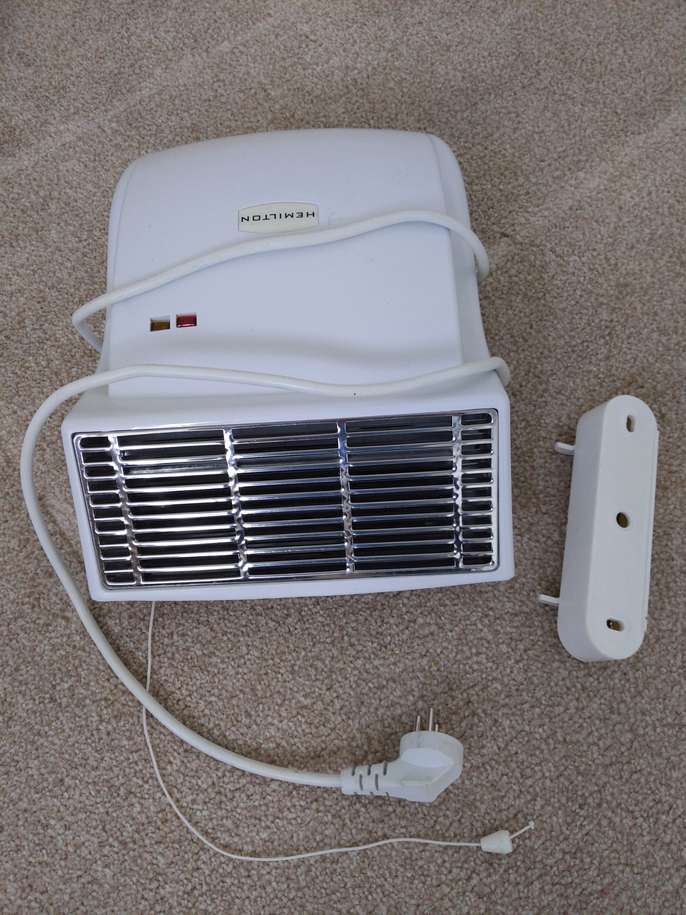
- Wall-Mounted Heaters: These units are ideal as they save space and keep the heater out of reach of splashes. Look for models such as the FreelyWheely Electric Heater, which is designed specifically for bathroom use, offering safety features such as splash resistance and automatic shut-off capabilities.
- Portable Heaters: If you prefer flexibility, portable heaters can be moved around as needed. However, ensure the selected model has a low surface temperature and is IP rated for bathroom use. A good example is an oscillating fan heater, which disperses warm air evenly without the risk of overheating.
- Towel Warmers: These double-up as both a heating device and a luxurious addition. They often come with temperature controls, allowing you to enjoy warm towels without compromising safety.
- Infrared Heaters: These serve to heat the objects in the bathroom rather than the air, making them efficient options. Be cautious, however—always check that they are suitable for use in wet areas.
While selecting an appropriate model is a significant first step, safe installation is the next crucial consideration. Bathrooms are divided into zones, each with specific regulations regarding the placement of electrical appliances designed to mitigate risk:

- Zone 0: This is the area inside the bath or shower. No electrical equipment should be installed here, except for battery-powered devices.
- Zone 1: Referring to the space above the bath or shower up to a height of 2.25 metres, only specific low-voltage or IP-rated heaters may be installed here.
- Zone 2: This area extends 0.6 metres outside of the bath or shower and 2.25 metres above; higher-rated appliances can be used, but they must includes safety features.
- Beyond Zone 2: Heaters can be installed in this area with fewer restrictions, provided they meet general electrical safety standards.
Moreover, when installing an electric heater in the bathroom, consider the following installation advice:
- Hire a Qualified Electrician: Engaging a qualified professional ensures compliance with local electrical regulations and safety standards. They can properly assess the space and suggest optimal models and placements.
- Power Supply: Ensure that the supply circuit supplying the heater meets its requirements. A dedicated circuit may be necessary, especially for high-power models.
- Positioning: Strategically position the heater to provide optimal warmth without being directly exposed to water. Avoid corners and areas where towels may obstruct heat flow.
- Control Options: Consider installing heater controls outside wet zones. A timer or thermostat can enhance energy savings and convenience.
- Regular Maintenance: After installation, establish a routine to check the heater’s condition. Dust accumulation and other debris can obstruct performance, necessitating periodical cleaning.
Safety cannot be overstated when dealing with electrical appliances near water. Investing in heaters that meet high safety standards is not just wise; it is essential. Always check for certification marks on devices, such as those from CE (Conformité Européenne) or the British Standard (BS), which indicate compliance with safety regulations.
Additionally, it is wise to consider features that enhance safety, such as:
- Overheat Protection: This prevents the heater from exceeding safe temperature limits, reducing the risk of fire.
- Tip-Over Switches: Particularly for portable heaters, these devices cut off the power when the unit is knocked over, providing peace of mind.
- GFCI Outlets: Ground Fault Circuit Interrupters cut the power to the heater in the event of a ground fault, thus offering further safety in wet areas.
Ultimately, ensuring comfort in your bathroom during the colder months is not just about selecting a model; it demands a thorough understanding of safety measures and installation practices. By opting for suitable heaters, adhering to safety guidelines, and enlisting professional help for installation, your bathroom can transform into a warm and inviting refuge, ready to embrace you with gentle warmth after every soothing soak or invigorating shower.
FAQ
What types of electric heaters are safe for bathrooms?
Wall-mounted heaters, portable heaters with low surface temperatures, towel warmers, and infrared heaters specifically rated for bathroom use are considered safe.
What are the safety zones for installing electric heaters in bathrooms?
Bathrooms are divided into zones with specific regulations: Zone 0 is inside the bath or shower, Zone 1 is above the bath or shower, Zone 2 extends outside the bath or shower, and beyond Zone 2 has fewer restrictions.
How can I ensure the safe installation of an electric heater in my bathroom?
Hire a qualified electrician, ensure the power supply meets the heater’s requirements, position the heater away from water exposure, and consider controls outside wet zones.

Leave a Reply