Short Answer
When it comes to our beloved small pets, we often find ourselves pondering the intricacies of their diets. One question that may perplex many guinea pig owners is: can guinea pigs eat bunny food? This query goes beyond mere curiosity; it delves into the realms of nutrition, health, and the overarching well-being of our furry companions. In this article, we will explore the dietary needs of guinea pigs, compare them with those of rabbits, and ultimately unveil the safe dietary truths surrounding this common question.
First and foremost, it’s essential to appreciate the unique physiological composition of guinea pigs. These charming creatures, native to the Andes, have evolved specific digestive systems that must be catered to with care. Unlike rabbits, guinea pigs are classified as strict herbivores and lack the ability to synthesise vitamin C within their bodies. This vitamin is crucial for their health, aiding in the growth and repair of tissues, boosting immunity, and preventing scurvy, a potentially fatal condition.
On the other hand, bunny food, which is often formulated for rabbits, caters to slightly different nutritional requirements. In general, rabbit food typically consists of high-fibre hay, pellets, and sometimes a variety of vegetables. However, these foods may not adequately provide the essential nutrients guinea pigs require for optimal health. The ingredients in bunny food can vary, and the predominant focus is often on a balanced diet for rabbits rather than consideration for the specific needs of guinea pigs.
Now, let’s delve into the primary components of both guinea pig and bunny diets, highlighting the distinctions that every pet owner should understand. Hay serves as a cornerstone in both diets, yet the types of hay recommended for guinea pigs and rabbits differ. While rabbits thrive on a variety of hays, including alfalfa (which is high in protein), guinea pigs benefit more from timothy hay or meadow hay. These hays offer the necessary fibre content while remaining lower in calcium, thus preventing potential urinary issues.
In terms of pellets, a crucial dietary component, it is imperative to choose formulations tailored specifically for guinea pigs. Many commercially available rabbit pellets contain added grains and seeds, which could lead to obesity or digestive turmoil for guinea pigs. Furthermore, these pellets often lack the necessary vitamin C content, something that a guinea pig’s diet should never be without. Opting for high-quality guinea pig pellets that are fortified with vitamin C is paramount for maintaining your pet’s health.
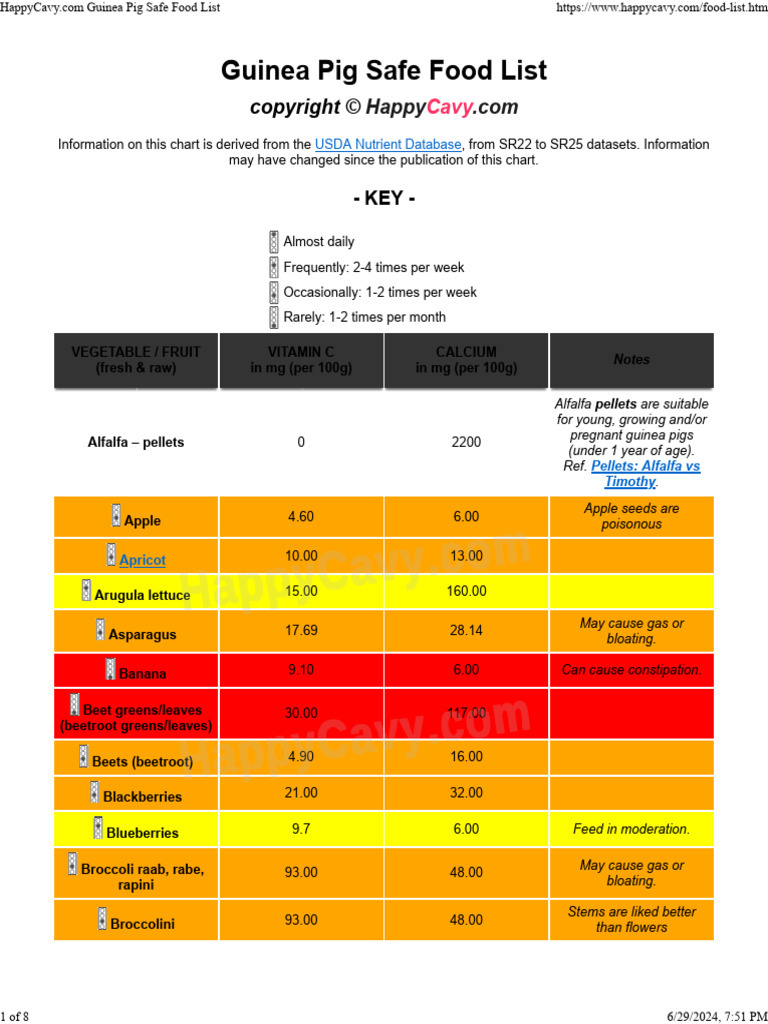
Vegetables and fruits also play a significant role in the diets of both guinea pigs and rabbits. However, not all foods are suitable for guinea pigs. While rabbits can enjoy a more extensive range of vegetables, certain types, such as iceberg lettuce, can be harmful to guinea pigs. Safe vegetables for guinea pigs include bell peppers, kale, and cucumbers, which offer a wealth of nutrients while ensuring hydration. In contrast, many items that are safe for rabbits may cause gastrointestinal upset in guinea pigs. Thus, understanding which vegetables are suitable is key to preventing dietary mishaps.
In addition to the types of food available, we must also consider portion sizes and frequency of feeding. Bunny food is often designed to be fed in larger quantities, which is perfectly suitable for rabbits. However, guinea pigs require a more measured approach. Overfeeding pellets, particularly those meant for rabbits, can lead to serious health complications for guinea pigs, including obesity and dental issues. Moderation is the name of the game when it comes to transitioning any guinea pig to a new food source.
Additionally, hydration is a crucial factor to consider in both diets. Guinea pigs must have constant access to fresh water, which aids in their digestive process and overall health. Surprisingly, many owners overlook the vital importance of hydration and may mistakenly believe that the moisture in fresh vegetables is sufficient. Nevertheless, it’s essential to provide a clean source of water daily—guinea pigs thrive when they are adequately hydrated.
Perhaps one of the most significant aspects to explore is the potential health consequences of feeding guinea pigs bunny food. While an occasional nibble may not result in dire effects, a long-term diet comprising inappropriate foods can lead to lasting damage. With proper substrates and knowledge, it’s feasible to prevent deficiencies, obesity, and other health anomalies, securing a longer, healthier life for these charming pets.
So, can guinea pigs eat bunny food? The unequivocal answer is that while they may nibble occasionally, it should not form the basis of their diet. Transitioning to products specifically designed for guinea pigs, enriched with essential vitamins and minerals, is critical in safeguarding their well-being. Educational resources abound for owners keen to ensure their pets receive the best nutrition available. The vast chasm of dietary differences between rabbits and guinea pigs reinforces the need for informed decision-making.
In conclusion, understanding the dietary needs of guinea pigs in juxtaposition with bunny food not only safeguards their health but enriches the lives of our furry companions. Knowledge empowers us as pet owners to fulfil our responsibilities with diligence. By prioritising appropriate nutrition, we celebrate the unique biological intricacies of these enchanting animals, promising them a life filled with vitality and joy. As you navigate the path of pet care, let curiosity guide your choices, ensuring that every meal contributes positively to the remarkable bond you share with your guinea pig.
FAQ
Can guinea pigs eat bunny food?
While guinea pigs can nibble on bunny food occasionally, it should not form the basis of their diet due to differing nutritional needs.
What should guinea pigs eat?
Guinea pigs should primarily eat hay, specially formulated guinea pig pellets, and safe vegetables like bell peppers and kale.
Why is vitamin C important for guinea pigs?
Guinea pigs cannot synthesize vitamin C, making it essential for their health to include it in their diet to prevent deficiencies.


Leave a Reply