Short Answer
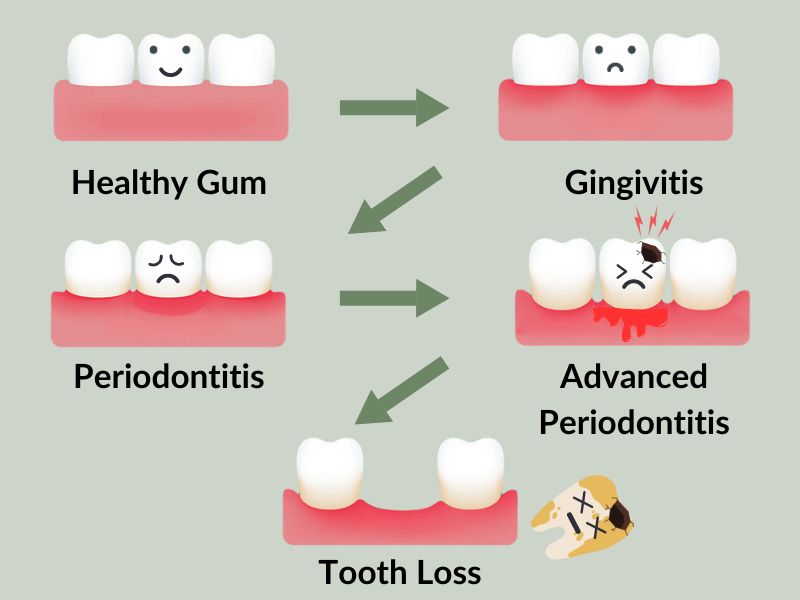
Gum recession is somewhat akin to an encroaching tide that steadily erodes the land. Much like the shoreline, our gums can slowly wear away, leaving our teeth exposed and vulnerable. This insidious condition can lead to a myriad of issues, the most alarming being tooth loss. Understanding how far gums can recede before teeth fall out is crucial for safeguarding one’s oral health, and this article seeks to delve deeply into the complexities of gum recession, presenting both the frightening facts and preventive measures.
To truly grasp the significance of gum recession, it is imperative to first comprehend the anatomy of our gums. The gums, or gingiva, serve as protective barriers that encase the roots of our teeth. They are made up of soft tissue and play a vital role in the overall health of our mouth. When the gums recede, they not only expose more of the tooth’s root but also create pockets where bacteria can flourish, leading to complications such as periodontal disease.
Now, let’s explore the alarming reality of gum recession. Studies indicate that nearly 50% of adults experience some degree of gum recession as they age. This silent epidemic often goes unnoticed until the ramifications—such as sensitivity or even tooth loss—become painfully evident. The depth of gum recession is measured in millimetres, and while slight recession may not seem concerning, even a few millimetres can indicate substantial underlying issues.
So, how far can gums recede before teeth fall out? On average, if gum tissue recedes by over 5 millimetres, the likelihood of tooth loss significantly increases. The exposed roots become susceptible to decay, while the attached bone may begin to diminish, similar to how a tree may weaken without its roots firmly in the ground. If left untreated, severe gum recession can compromise the stability of the tooth, leading to its eventual loss.
While the statistics surrounding gum recession are indeed frightening, understanding its causes can pave the way for prevention. Several factors contribute to this dental dilemma:
- Poor Oral Hygiene: Inadequate brushing and flossing create an environment conducive to plaque and tartar build-up, leading to gum disease.
- Genetics: Some individuals are genetically predisposed to gum disease, making them more prone to recession.
- Tobacco Use: Smoking and chewing tobacco can impair gum health, hastening the recession process.
- Hormonal Changes: Life stages such as puberty, pregnancy, and menopause can influence gum sensitivity and susceptibility to recession.
- Brushing Technique: Aggressive brushing or using a hard-bristled toothbrush can wear away delicate gum tissue.
- Misaligned Teeth: Irregular bite patterns can place undue stress on specific teeth, resulting in gum recession.
In addition to knowing the causes, recognising the symptoms of gum recession is vital for timely intervention. Common signs include:
- Increased tooth sensitivity to hot and cold temperatures.
- Visible lengthening of teeth, revealing previously hidden portions of the tooth root.
- Gums that appear swollen, red, or bleed spontaneously during brushing or flossing.
- Formation of deep pockets between gums and teeth, often accompanied by persistent bad breath.
Having elucidated the potential perils and indicators of gum recession, moving towards prevention becomes paramount. Armed with knowledge, individuals can incorporate various strategies to keep their gums healthy and halt recession in its tracks. Below are some effective measures:
- Maintain Rigorous Oral Hygiene: Brush twice daily with fluoride toothpaste and floss regularly. Consider using an antibacterial mouthwash to diminish harmful bacteria.
- Adopt a Gentle Brushing Technique: Use a soft-bristled toothbrush and employ a gentle circular motion to avoid irritating the gums.
- Regular Dental Check-Ups: Schedule visits to your dentist every six months for professional cleanings and assessments that can catch problems early.
- Quit Tobacco: Seek help to quit smoking or chewing tobacco, which can dramatically improve gum health.
- Stay Hydrated: Drinking plenty of water helps rinse away food particles and maintains saliva flow, which protects gums.
- Educate Yourself: Understanding your own dental health and needs equips you with the tools to advocate for yourself during dental visits.
In conclusion, while the spectre of gum recession can be daunting, awareness and proactive measures grant individuals the power to protect their gum health. Just as a gardener tends to their plants, ensuring they receive the right nutrients and protection from the elements, one can fend off the threat of gum disease with diligent care and attention. By taking steps to prevent recession, individuals safeguard not just their teeth, but their overall health and well-being. Remember, healthy gums are the foundation for a radiant smile and a confident future.
FAQ
What is gum recession?
Gum recession is the process where the gum tissue surrounding the teeth wears away, exposing more of the tooth or its root.
What are the causes of gum recession?
Causes include poor oral hygiene, genetics, tobacco use, hormonal changes, aggressive brushing, and misaligned teeth.
How can I prevent gum recession?
Prevention includes maintaining good oral hygiene, using a gentle brushing technique, regular dental check-ups, quitting tobacco, and staying hydrated.



Leave a Reply