Short Answer
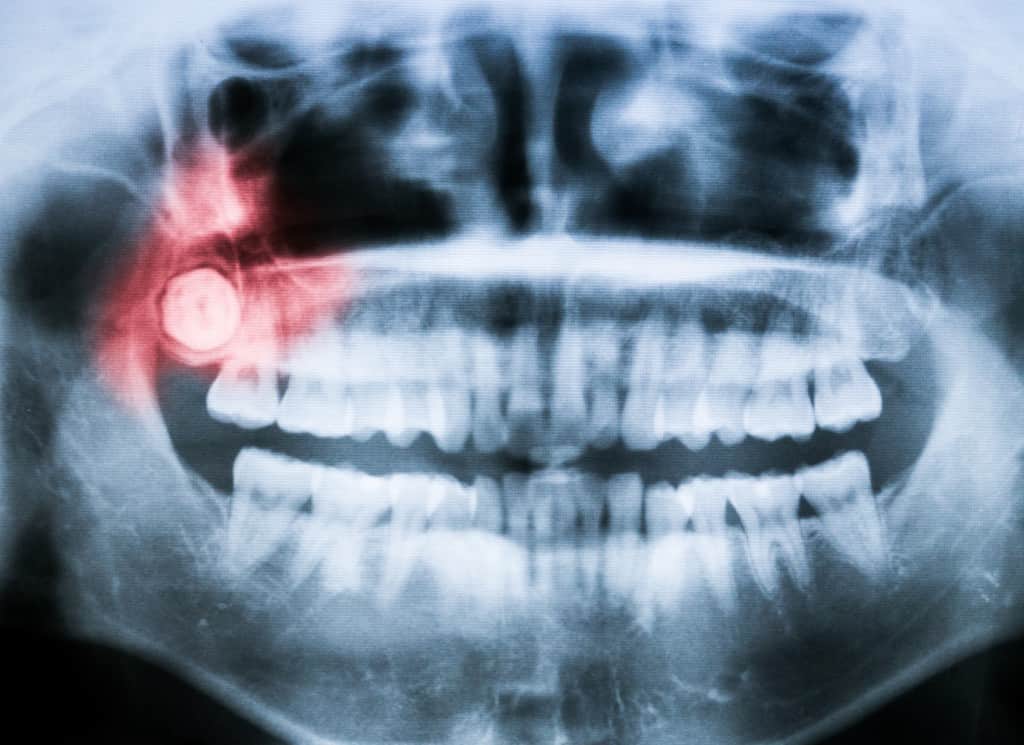
Impacted teeth, particularly wisdom teeth, are a prevalent dental concern that often goes unnoticed until they manifest significant issues. Understanding the symptoms associated with impacted teeth is crucial for early intervention, potentially saving individuals from enduring unnecessary discomfort and complex dental procedures. This article delves into the various indicators that suggest the presence of impacted teeth and underscores the importance of addressing these warning signs promptly.
First and foremost, let’s elucidate what impaction entails. When a tooth is deemed impacted, it fails to emerge fully through the gum line due to physical obstructions or an inadequate amount of space in the jaw. While wisdom teeth are the most commonly impacted, other teeth can experience similar issues. Knowing the potential symptoms can help individuals take proactive steps for their oral health.
1. Acute Pain and Discomfort
A hallmark symptom of impacted teeth is acute pain, often radiating from the affected area. This discomfort may manifest as a dull ache or sharp, stabbing sensations, particularly when chewing or applying pressure. The gums around the impacted tooth may appear swollen, inflamed, or tender to the touch. This pain often extends beyond the oral cavity and can affect the jaw, ears, and even the head, resulting in a throbbing headache.
2. Swelling and Redness
In conjunction with pain, considerable swelling and redness of the gums are indicative of infection or inflammation due to impaction. The body’s natural response to inflammation is to increase blood flow to the affected area, resulting in visible changes. If you notice considerable swelling that persists, it can signify a deeper issue that necessitates immediate dental evaluation.
3. Difficulty Opening the Mouth
Also known as trismus, difficulty in fully opening the mouth can occur when wisdom teeth attempt to erupt but face obstruction. This restriction in movement might not only be discomforting but can hinder daily activities such as eating and speaking. Patients may also experience stiffness in the jaw muscles, further complicating their capacity to maintain oral hygiene.
4. Bad Breath (Halitosis)
An often overlooked yet significant indicator of impacted teeth is persistent bad breath. This condition, known scientifically as halitosis, may arise due to the accumulation of food particles and bacteria around the impacted tooth. An infection can further exacerbate the odorous emissions, leading to an undesirable oral environment. Addressing impacted teeth often results in a remarkable improvement in breath quality.
5. Unpleasant Taste in the Mouth
A noticeable, unpleasant taste in the mouth may accompany the symptoms of impacted teeth. This anomaly can prevail from the decaying food particles trapped around the gum line or due to an infection. If you find yourself frequently tasting an unusual flavour, it’s imperative to schedule a consultation with a dental professional.
6. Gum Discharge
Discharge of pus or other fluids from the gums around an impacted tooth is a concerning symptom that usually indicates infection. This discharge can often be foul-smelling and may also accompany other symptoms like pain and swelling. Prompt attention is necessary to mitigate potential complications that could arise from an untreated dental abscess.
7. Misalignment of Other Teeth
In some scenarios, impacted teeth can apply pressure on adjacent teeth and cause them to shift from their original positions. This misalignment often leads to bite issues, which could require orthodontic intervention later. Recognising this concern early can prevent a progression of misalignment and maintain the integrity of the dental arch.
8. Recurring Headaches
Interestingly, ongoing headaches can also arise from impacted wisdom teeth. The strain on the jaw muscles and the resulting tension due to dental complications often translate into referred pain via facial nerves, resulting in headaches. If headaches coincide efficiently with other dental symptoms, it may be a sign of impending dental trouble.
9. Sinus Issues
A somewhat surprising relationship exists between impacted upper wisdom teeth and sinus problems. The roots of these teeth are located relatively close to the sinus cavities, and their impaction can lead to sinus pressure, resulting in discomfort. Patients may experience sinusitis symptoms such as nasal congestion, facial pain, and pressure in the forehead. If dental issues are intertwined with your sinus problems, consulting a dentist may yield surprising insights.
10. Fever
A fever can signify a more serious infection related to impacted teeth. While fevers often accompany illness, a fever persisting alongside dental symptoms could denote an abscess or significant infection in the mouth. This warning sign necessitates swift dental care to avert further health complications.
In summary, while the emergence of impacted teeth, particularly wisdom teeth, is a common dental occurrence, the symptoms associated with them should not be trivialised. Each symptom serves as a potential warning sign, guiding individuals towards seeking appropriate dental intervention. Ignoring these indicators can lead to more severe complications, including infections, extensive dental work, and long-term oral health implications. Regular dental check-ups play an integral role in monitoring and preventing such conditions, ensuring that your dental health remains in top-notch condition for years to come.
FAQ
What causes teeth to become impacted?
Impaction occurs when there is not enough space in the jaw or a physical obstruction preventing a tooth from fully erupting.
Are only wisdom teeth impacted?
While wisdom teeth are most commonly impacted, other teeth can also experience impaction.
Can impacted teeth be treated without extraction?
Treatment depends on the severity and symptoms; sometimes monitoring is sufficient, but extraction is often recommended.
How can I prevent impacted teeth?
Regular dental check-ups can help monitor tooth development and identify impaction early for timely intervention.




Leave a Reply