Short Answer
Window tinting is a fascinating pursuit that has captivated car enthusiasts and everyday drivers alike. Protecting one’s vehicle while enhancing its aesthetic appeal reveals itself as a perfect union of functionality and style. As the automotive world progresses into 2026, exploring the costs, benefits, and strategies surrounding window tinting is crucial for anyone considering investing in this transformative upgrade.
Understanding the Costs of Window Tinting
The cost of window tinting can vary significantly based on several factors. Typically, one might expect to pay anywhere from £100 to £600. This broad price range reflects various criteria that influence the final price tag. Factors such as the type of vehicle, the complexity of the installation, and the quality of the tint material play critical roles.
For instance, a compact car may cost less to tint than a luxury SUV, due to the difference in surface area. Additionally, certain models require more intricate installations, which could further inflate labour costs. It is also essential to consider the type of window tint selected. Generally, there are three main classifications: dyed, metalized, and ceramic. Each comes with its unique benefits and different pricing points.
Dyed films are often the most economical choice, providing basic heat and privacy protection, ideal for those on a budget. However, metalized films offer more robust heat rejection, albeit at a higher price. Ceramic films stand out for their superior performance, blocking up to 99% of harmful UV rays and reducing glare while remaining the most expensive option. Nevertheless, these films outlast the others, often coming with comprehensive warranties that can save money over time.
Weighing the Benefits of Window Tinting
Aside from the aesthetic enhancement that tinted windows provide, the myriad benefits extend to practicality and protection. Firstly, one of the most significant advantages is heat rejection. The rising temperatures of the summer months can turn a parked car into a veritable oven. Quality window tints can reduce interior temperatures substantially, keeping both the driver and passengers comfortable during hot weather.
Moreover, window tinting effectively blocks out harmful UV rays, safeguarding occupants from potential skin damage. According to studies, prolonged exposure to UV radiation can lead to various skin illnesses, but window tints serve as a formidable barrier against these dangers.
Furthermore, privacy is a paramount consideration for many drivers. Tinted windows curtail visibility from outsiders, offering an added layer of security and peace of mind during travel. It also helps in protecting personal belongings from prying eyes, making it less likely for opportunistic thefts.
Another compelling argument for window tinting lies in glare reduction. Sun glare can be a significant distraction, particularly during those blinding low-angle evenings or sunny afternoon drives. A quality tint mitigates these distractions, subsequently leading to safer driving conditions.
Lastly, those seeking long-term benefits will appreciate the preservation of the vehicle’s interior. Regular sun exposure can result in fading upholstery and cracking dashboards. By reducing the amount of sunlight entering through the windows, tinting helps prolong the life and appearance of a car’s interior.
Pro Tips for Window Tinting in 2026
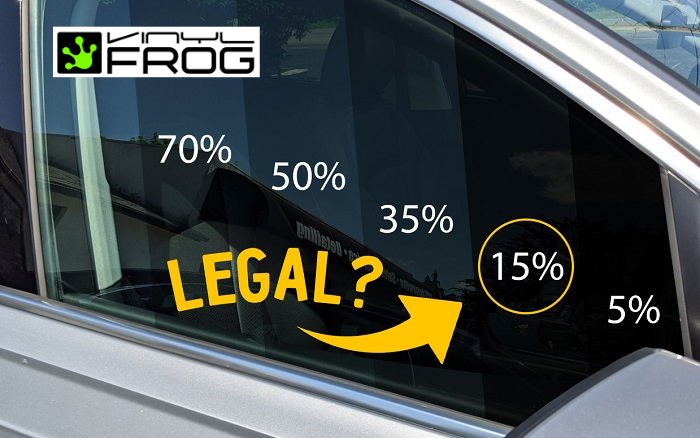
Before diving headfirst into the world of window tinting, a few strategic considerations can enhance the experience and outcomes. First and foremost, research is paramount; understanding the various regulations regarding window tinting in your region is essential. Each locality has specific laws regarding the percentage of tint allowed, particularly for front-facing windows, which affects not only safety but also legality. It is advised to consult local regulations before proceeding with installation.
Moreover, selecting a reputable installer can make a world of difference. Opt for professionals who specialise in window tinting and have a solid track record of quality work. Reading reviews and soliciting recommendations can aid in finding the ideal technician. Remember, a poorly installed film can lead to bubbling and peeling, diminishing an otherwise perfect aesthetic.
When choosing a tint, bear in mind that higher prices often correlate with quality. Superior films typically feature better heat rejection properties and are more resistive to scratching and fading. While it may be tempting to cut corners in the name of savings, this could result in higher costs in the long run due to replacement needs.
Lastly, patience is key. After installation, give the tinted windows sufficient time to cure properly. This period generally ranges from a few days to several weeks, depending on the specific product and environmental conditions. Adhering to the care tips provided by the installer can ensure the longevity of the tint, allowing it to withstand the test of time.
The Bottom Line
In summation, window tinting emerges as a beneficial investment for numerous reasons, from protecting your vehicle from sun damage to enhancing aesthetics and comfort. The costs associated with window tinting vary greatly, influenced by the type of vehicle, tint material, and installation complexities. As your vehicle journeys toward 2026 and beyond, investing in high-quality window film proves to be more than just an aesthetic enhancement; it transforms the driving experience into one that is safer, more comfortable, and inherently gratifying. Understanding the costs, benefits, and tips for successful installation can empower you to make informed decisions and reap the myriad rewards of window tinting.
FAQ
What are the average costs associated with window tinting?
The average cost of window tinting can range from £100 to £600, depending on factors like vehicle type, installation complexity, and tint material.
What are the benefits of window tinting?
Benefits include heat rejection, UV protection, increased privacy, glare reduction, and preservation of the vehicle’s interior.
How can I choose the right window tint?
Research local regulations, select a reputable installer, and consider the quality of the tint material when choosing.


Leave a Reply