Short Answer
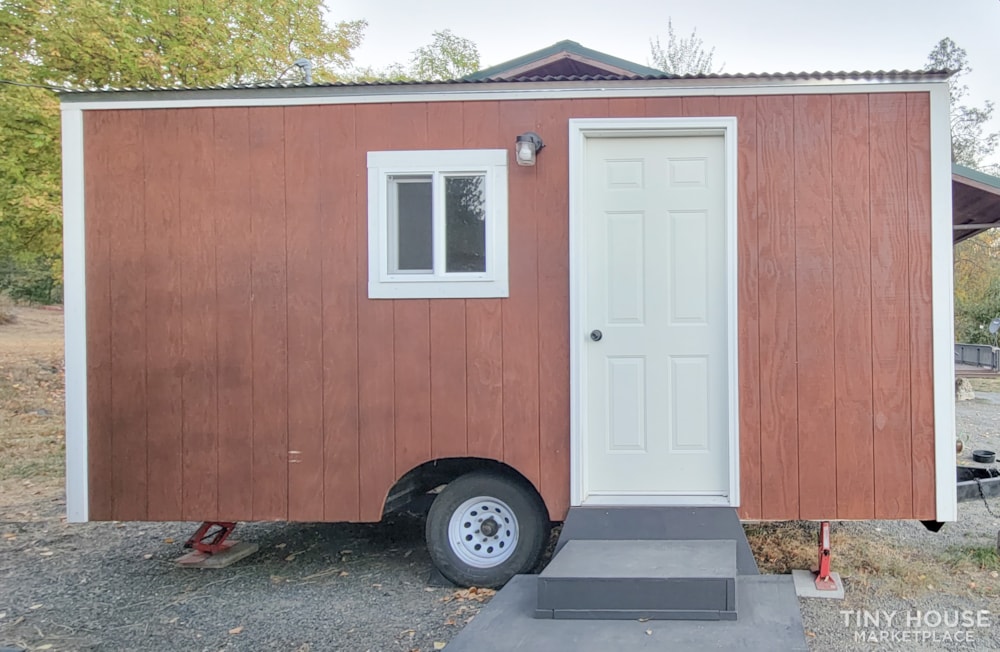
In recent years, the concept of tiny living has gained significant traction, with many individuals and families gravitating towards downsized, more sustainable lifestyles. Renting a caravan to live in is an intriguing option for those seeking affordable living solutions while enjoying the freedom that mobility brings. This article delves into the multifaceted world of caravan rentals, exploring its numerous benefits, types of caravans available, lifestyle considerations, and practical tips for making the most of your tiny home on wheels.
The Appeal of Caravan Living
At the heart of the allure of caravan living lies the profound sense of freedom it offers. Renting a caravan allows you to traverse scenic landscapes at your leisure, from the rolling hills of the countryside to the tranquil beaches of the coast. This lifestyle is particularly appealing to adventurous spirits and those yearning for a simpler way of life, unencumbered by the often-stifling constraints of traditional housing.
Furthermore, with soaring property prices and stagnant wages, many find themselves in search of affordable living solutions. Caravans present an economically viable alternative, allowing individuals to escape the burden of exorbitant rent and mortgage repayments. When considering the overall cost of living, renting a caravan can be significantly less expensive than traditional homes, particularly when utility bills and maintenance costs are factored in.
Types of Caravans Available for Rent
The world of caravans is diverse, catering to a myriad of preferences and needs. Below, we explore the various types of caravans available for rent:
- Static Caravans: Typically situated in holiday parks or designated caravan sites, these units offer a fixed abode without the hassle of towing. Although stationary, they often come with essential amenities, making them an excellent option for long-term rental.
- Touring Caravans: Ideal for those who relish the idea of exploring multiple locations, touring caravans are designed for manoeuvrability. These can be towed by a standard vehicle and can vary greatly in size and layout, featuring kitchen amenities and sleeping quarters.
- Campervans: A more compact choice, campervans are an amalgamation of vehicle and accommodation. Perfect for solo travellers or couples, they typically encompass a small kitchen and sleeping area, providing a snug yet functional space.
- Luxury Caravans: For those who seek a touch of extravagance, luxury caravans offer opulent interiors and high-end amenities. These may come equipped with ensuite bathrooms, plush bedding, and modern kitchens, merging comfort with mobility.
Lifestyle Considerations
Embracing the tempo of caravan living is not merely about having shelter; it’s about adopting a lifestyle characterised by freedom, simplicity, and minimalism. However, it is essential to consider the inherent trade-offs:
First and foremost, space is at a premium in any caravan. A shift from a spacious home to a compact living area necessitates a revamp in lifestyle. Minimalism becomes paramount, and individuals must make judicious choices about what items to retain. This transition can be liberating, fostering a deeper appreciation for the essentials.
Moreover, caravan living often means a closer connection with nature. Many caravan parks are nestled in picturesque locations, offering immediate access to trails, lakes, and other outdoor activities. This connection to the environment can not only enhance well-being but also promote a more sustainable lifestyle.
Alternatively, it is crucial to contemplate the challenges that accompany this lifestyle. Mobile living can occasionally lead to feelings of instability, as the notion of ‘home’ becomes more fluid. Additionally, weather conditions can significantly impact the enjoyment of caravan life, particularly during colder months. Furnishing your caravan with proper insulation and selecting appropriate camping sites can mitigate some of these concerns.
Practical Tips for Caravan Living
If you’re inclined to explore the world of caravan living, consider the following tips for a smoother transition:
- Choose the Right Caravan: Conduct thorough research on various caravan types to select one that aligns with your lifestyle needs, whether you prioritise mobility, space, or luxurious amenities.
- Plan Storage Wisely: Invest in organisational solutions like storage boxes, modular shelving, and multifunctional furniture to maximise your living space effectively.
- Embrace Local Culture: Each location has its unique charm. Engage with local communities, explore indigenous foods, and partake in regional activities to enrich your experience.
- Stay Connected: While caravan living fosters independence, maintaining open lines of communication with friends and family can alleviate feelings of isolation. Consider utilising digital platforms to stay in touch.
- Develop a Flexible Routine: Embrace the unpredictability of life on the road. Establishing a loose routine can imbue structure while allowing spontaneity.
Conclusion
Renting a caravan to live in is not merely a housing decision; it represents a lifestyle choice steeped in adventure, simplicity, and autonomy. As you contemplate this transition, consider all facets of caravan living, from the types of caravans available to the lifestyle adjustments required. With adequate preparation and an open mindset, you can create a fulfilling and enriching living experience on wheels—transforming the mundane into the extraordinary.
FAQ
What are the benefits of living in a caravan?
The benefits include affordability, mobility, a simplified lifestyle, and a closer connection to nature.
What types of caravans can I rent?
You can rent static caravans, touring caravans, campervans, and luxury caravans, each catering to different needs.
What should I consider when renting a caravan?
Consider your lifestyle needs, the type of caravan, storage solutions, and community engagement.



Leave a Reply