Short Answer
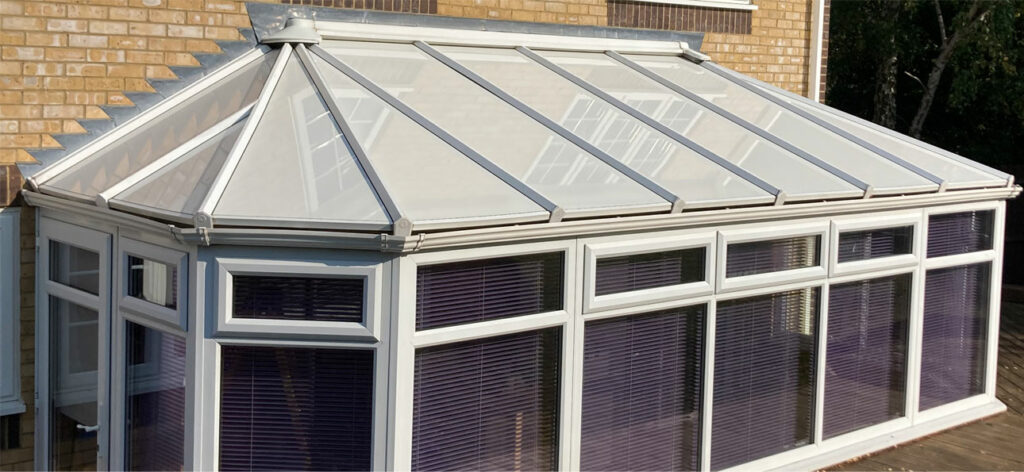
When considering the transformation of your conservatory into a more functional and inviting space, DIY insulated roof panels emerge as a contemporary solution. However, the journey of installing these panels is fraught with decisions that can either lead to substantial savings or culminate in regrettable chaos. In this article, we will explore the multifaceted aspects of opting for DIY insulated conservatory roof panels, the installations steps involved, potential pitfalls to avoid, and various options available on the market.
Understanding Insulated Roof Panels
Insulated roof panels are designed to replace the existing, typically glass or polycarbonate roofs of conservatories. They are crafted to enhance thermal efficiency, mitigate heat loss during winter months, and keep the space cooler in the summer. These panels are often constructed from a composite of materials, including polyisocyanurate or polyurethane foam, sandwiched between layers of weather-resistant materials. The result is a lightweight yet robust solution that can significantly improve your conservatory’s insulation and aesthetic appeal.
Pros of DIY Installation
One of the most compelling reasons to consider a DIY project for insulated roof panels is the potential for cost savings. The installation process can be done without the need for professional tradespeople, effectively reducing labour costs that can inflate the overall budget. Moreover, engaging in a DIY undertaking often allows you to customise the project to your specific preferences. You can select your materials, colours, and designs to ensure that the new roof complements or enhances the existing architecture of your home.
Furthermore, the satisfaction that accompanies completing a home improvement project cannot be overstated. Each step taken towards installing insulated roof panels can provoke a sense of accomplishment and pride. However, while going the DIY route may seem advantageous at first glance, the reality is often more nuanced.
Potential Pitfalls of DIY Projects
However, the allure of saving can often be overshadowed by the complexities inherent in a DIY installation. Many homeowners underestimate the time and effort needed to properly install insulated roof panels. Challenges can arise from inaccuracies in measurements, inadequate sealing, or subpar techniques that compromise the roofing’s integrity. For instance, improper alignment during installation might lead to gaps, which can result in drafts, moisture intrusion, and even structural damage over time.
Moreover, many DIY enthusiasts may not possess the requisite skills or tools to execute the installation flawlessly. An ill-equipped DIYer could inadvertently exacerbate insulation issues, leading to higher energy bills rather than the anticipated savings. Additionally, the psychological toll of dealing with a messy and frustrated attempt at installation can oftentimes outweigh the anticipated financial savings. Ultimately, insufficient research or preparation can transition your DIY dream into a regrettable mess.
Types of Insulated Roof Panels
When considering insulated conservatory roof panels, it is crucial to explore the various types available. Each type offers unique features that are suited to different climates, aesthetics, and thermal requirements:
- Composite Panels: These consist of a metal outer layer surrounding an insulating core. They provide excellent thermal insulation and robustness against the elements, making them perfect for fluctuating weather patterns.
- Polycarbonate Panels: Lightweight and versatile, these panels are often chosen for their affordability and quick installation. Some variants offer UV protection and enhanced thermal properties, though they may not outperform composite materials in terms of insulating capabilities.
- Glass Panels: While not as insulating as other options, glass panels offer superb aesthetic appeal. Consideration of low-emissivity glass can enhance thermal performance, but the investment is generally higher.
- Metallised Roof Systems: These panels combine insulation with reflective materials that can maximise energy efficiency. They are particularly beneficial in hotter climates, where heat reflection is paramount.
Installation Steps
For those determined to embark on a DIY insulated conservatory roof panel installation, a systematic approach is essential. Here is how you can navigate the process:
- Planning and Measurement: Start by accurately measuring your conservatory’s dimensions. Plan the layout of your panels based on these measurements, considering aspects like slope and drainage.
- Gathering Materials: Based on your chosen panel type, compile a comprehensive list of required materials and tools. Ensure you have all necessary installation hardware, adhesives, and safety equipment.
- Preparation: Remove the existing roof covering carefully. Inspect the underlying structure for any necessary repairs before proceeding.
- Attachment: Begin attaching the panels according to manufacturer guidelines. Check for any potential for gaps and ensure proper sealing is done to prevent water ingress.
- Finishing Touches: Once the panels are installed, ensure that any additional elements such as flashing, trims, or eaves are correctly fitted for a polished look.
Conclusion
Opting for DIY insulated conservatory roof panels is undoubtedly an enticing prospect, offering significant potential for savings and satisfaction. However, it is paramount to approach the project with diligence and preparation. Weighing the benefits against the potential mishaps will empower you to make informed decisions for your home improvement journey. In doing so, you can create a conservatory that is not just an addition to your home, but a cherished sanctuary all year round.
FAQ
What are insulated conservatory roof panels?
Insulated conservatory roof panels replace traditional conservatory roofs with materials that improve thermal insulation and durability.
Is DIY installation recommended for insulated roof panels?
DIY installation can save money but requires precise measurements, proper tools, and understanding of roofing techniques to avoid problems.
What types of insulated roof panels can I choose from?
Options include composite panels, polycarbonate panels, glass panels, and metallised roofing systems, each suited to different needs.
What are common mistakes in DIY installation?
Common issues include inaccurate measurements, inadequate sealing, and improper alignment, which can cause drafts and water damage.
How do insulated roof panels benefit my conservatory?
They help maintain a stable temperature inside the conservatory, making it comfortable throughout the year and potentially lowering energy costs.

Leave a Reply