Short Answer
Magnetic therapy bracelets have surged in popularity over recent years, often touted as a natural remedy for a plethora of ailments, particularly those associated with pain and discomfort. The blend of fashion and perceived therapeutic benefits captures the imagination of many, fostering a sense of wonder. But the question lingers in the air: do these bracelets offer genuine healing advantages, or is their efficacy merely a figment of our collective desire for alternative medicine? To explore this conundrum thoroughly, we must delve into the history, scientific basis, and anecdotal evidence surrounding magnetic therapy.
Historically, the use of magnets for healing purposes stretches back thousands of years. Ancient civilisations, including the Egyptians and Greeks, believed in the restorative powers of magnetism. They employed lodestones—naturally magnetised pieces of mineral—to treat various ailments. This historical context reveals a deep-rooted fascination with the magnetic force, suggesting that our attraction to such therapies is not a modern phenomenon but rather an enduring curiosity about the natural world’s mysteries.
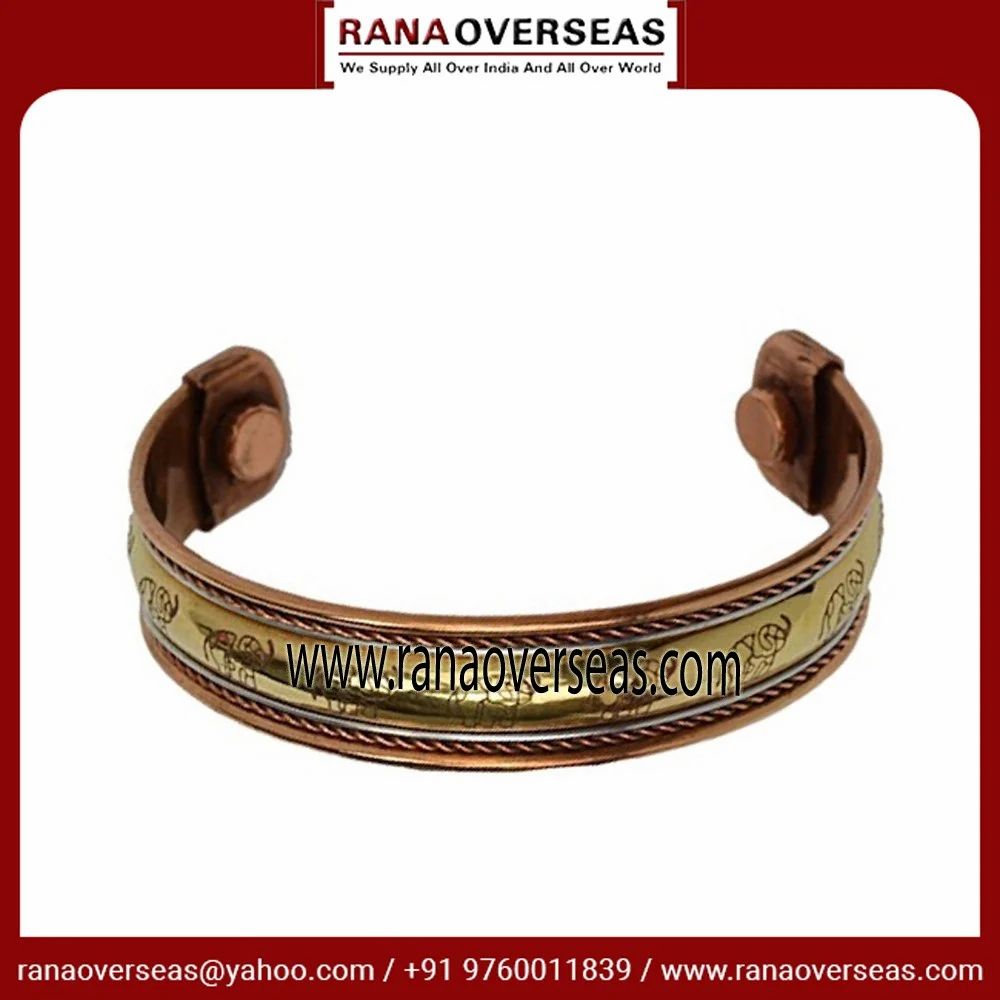
In recent decades, the concept of magnetic therapy has been revitalised with the advent of modern materials and designs. Bracelets made of copper and other metals, often infused with magnets, have entered mainstream markets under the pretext of enhancing health and well-being. Advocates assert that wearing a magnetic bracelet can alleviate chronic pain, reduce inflammation, and promote overall wellness. This assertion raises an intriguing point: the convergence of ancient practices with contemporary sensibilities. Indeed, the aesthetics of these bracelets often intertwine with cultural notions of health and empowerment, making them appealing not just as accessories but as artefacts of personal care.
At the heart of the debate lies the mechanical principle of magnetism itself. Proponents of magnetic therapy suggest that magnets can influence blood circulation. The idea follows that increased blood flow to certain areas can facilitate healing and alleviate discomfort. This supposition draws upon an understanding that essential nutrients and oxygen are delivered to muscles and tissues, particularly those suffering from inflammation or injury. Through this lens, magnetic therapy is seen not merely as a trendy fad but as a legitimate contact point between nature and health.
However, the scientific community remains sceptical about the effectiveness of magnetic bracelets. Numerous studies have attempted to delineate the purported benefits, yet the results often reveal a lack of conclusive evidence supporting the claims made by manufacturers. Systematic reviews and randomised controlled trials frequently indicate that any observed effects may be attributable to the placebo phenomenon. The human mind is a powerful tool; when individuals believe in the efficacy of a treatment, their brain can release endorphins, leading to a tangible reduction in pain. The psychological aspect of wearing these bracelets, fostering belief in their benefits, thus cannot be overlooked.
Furthermore, the range of ailments attributed to magnetic therapy expands the scepticism about its genuine utility. From arthritis and fibromyalgia to sleep disorders and anxiety, the claims often seem too encompassing. Such a vast spectrum of ailments raises eyebrows and invites a degree of cynicism. Would a single type of treatment, like a magnetic bracelet, truly possess the healing capacity for such diverse conditions? This prompts a deeper reflection on how society embraces and searches for holistic remedies, sometimes falling victim to the allure of quick fixes that the market heavily promotes.
Despite the scepticism, many individuals report positive experiences with magnetic therapy bracelets. Personal anecdotes abound, recounting tales of pain relief and augmented sense of well-being. These stories, whether substantiated or anecdotal, resonate within a culture that increasingly prioritises self-care and alternative wellness strategies. The therapeutic virtues linked to magnetic therapy can intersect with contemporary health dynamics that favour holistic approaches, diverging from traditional pharmacology. This points towards a broader cultural observation: the preference for natural and non-invasive options is, indeed, gaining traction.
Ethical considerations also come into play when discussing the marketing of magnetic therapy. As with many wellness products that lack substantial scientific backing, critical questions arise about consumer protection and misinformation. Manufacturers may present their claims as scientifically grounded when, in reality, they exist in a murky area of health efficacy. Educating the public about these distinctions is essential, as uninformed consumers may unwittingly spend significant sums on products that do not deliver tangible benefits.
In conclusion, the fascination with magnetic therapy bracelets encapsulates a broader societal yearning for healing avenues that resonate with individual experiences. While their benefits may lack robust scientific endorsement, the psychological and aesthetic elements they offer cannot be dismissed. Whether one perceives these bracelets as genuine tools for healing or merely ornamental curiosities, their cultural significance is undeniable. The compelling blend of historical roots, psychological engagement, and societal attitudes towards health continues to generate interest in magnetic therapy. Ultimately, as we seek approaches to better health, balancing the allure of ancient practices with an informed understanding of their limitations will prove vital in our personal wellness journeys.
FAQ
What are the claimed benefits of magnetic therapy bracelets?
Proponents claim that magnetic therapy bracelets can alleviate chronic pain, reduce inflammation, and promote overall wellness.
Is there scientific evidence supporting the effectiveness of magnetic therapy?
Numerous studies indicate a lack of conclusive evidence for the effectiveness of magnetic therapy, often attributing any benefits to the placebo effect.
How do magnetic therapy bracelets work?
Advocates suggest that magnets may influence blood circulation, potentially facilitating healing through increased blood flow to affected areas.
Are there any risks associated with wearing magnetic therapy bracelets?
While generally considered safe, it’s essential to approach claims critically and consult healthcare professionals for serious medical conditions.


Leave a Reply