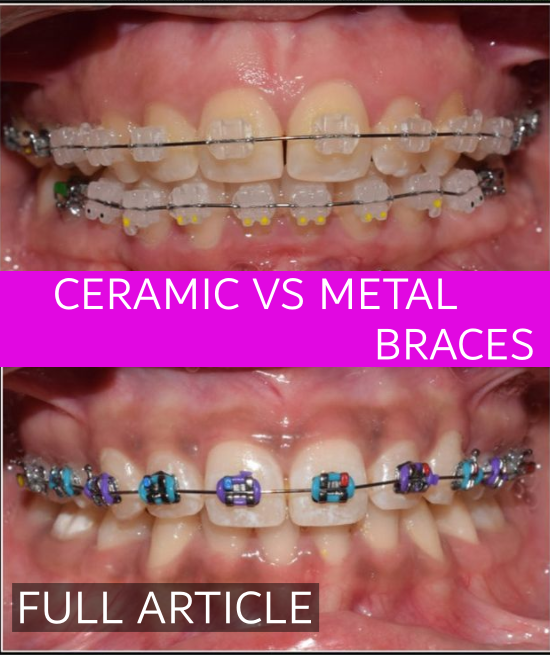
Short Answer
When it comes to orthodontics, the journey towards a radiant, balanced smile often initiates a debate between two predominant options: metal braces and clear braces. Each type boasts its own unique attributes that cater to diverse preferences and requirements. This article delves into the intricacies of both options, evaluating their characteristics, benefits, and potential drawbacks. The ultimate goal is to determine which of these smile upgrades reigns supreme in the realm of orthodontic solutions.
Understanding the Basics: Metal Braces
Metal braces are the traditional stalwarts of orthodontic treatment. Comprising stainless steel brackets and wires, they exert a steady force to realign teeth gradually over time. Their robust construction makes them highly durable, often capable of withstanding the rigours of more aggressive oral habits like grinding. This durability significantly reduces the likelihood of needing repairs during the treatment period, which can often take several months to a few years, depending on individual needs.
Another distinct advantage of metal braces is their effectiveness. They can tackle complex dental issues such as severe misalignment, overcrowding, and bite discrepancies with reliability. Their ability to apply consistent pressure enables orthodontists to achieve desired results more swiftly in many cases, making them a preferred choice for orthodontists, especially in cases requiring more extensive adjustments.
Comprehending Clear Braces: The Contemporary Alternative
On the other end of the spectrum lies clear braces, often epitomised by brands like Invisalign. These orthodontic aligners are crafted from transparent, smooth plastic that fits snugly over the teeth. Aesthetics is undoubtedly the crowning glory of clear braces; they offer the allure of discretion that appeals to adults and teenagers alike, minimising the visibility often associated with conventional metal braces. This feature has spurred a fascination for clear braces, especially among individuals who value maintaining a natural appearance during treatment.
Clear braces provide an additional layer of convenience with their removable design. This allows for easier maintenance of oral hygiene, as wearers can simply remove the aligners while eating and while performing their daily dental care routine. This removable nature also means that patients can consume a wider variety of foods without the strict prohibitions typical to metal braces, which can be notoriously limiting when it comes to dietary choices.
Comparative Analysis: Aesthetic Appeal
When assessing the aesthetic appeal, clear braces emerge as the clear winner. The transparent material makes them incredibly discreet, a factor that resonates well with individuals who are cautious about their appearance during the treatment duration. The psychological impact of wearing clear aligners versus metal braces can significantly affect confidence levels, particularly for adults in professional environments. However, metal braces, while less aesthetically pleasing, do come with the bonus of various colour customisations that can transform them into a fun fashion statement for younger patients.
Effectiveness and Treatment Duration
While short-term aesthetics may be enticing, effectiveness remains a core consideration for anyone contemplating orthodontic treatment. Metal braces generally triumph in this arena, especially for those with intricate dental issues that require more than just simple adjustments. Clear aligners may be optimal for mild to moderate issues, but their effectiveness can diminish with more pronounced misalignments requiring stronger corrective forces. Furthermore, the duration of treatment can also fluctuate; typically, individuals wearing metal braces may find themselves completing their treatment in less time compared to those opting for clear braces, whose full course may stretch longer.
Comfort Levels: Sensation and Maintenance
A critical aspect of any orthodontic treatment is the comfort levels experienced during wear. Metal braces can cause some initial discomfort and soreness as the wires and brackets exert pressure on the teeth. While temporary, this sensation can be off-putting for some individuals. Conversely, clear braces are often heralded for their comfort; the smooth plastic fits snugly and avoids the irritation sometimes caused by metal brackets. However, the very act of removing clear aligners has caught some users off guard, leading to occasional inconvenience when transitioning in and out of the aligners.
Cost Implications: Budget Considerations
When it comes to budgeting for orthodontic treatment, financial considerations inevitably play a significant role. In general, metal braces are more cost-effective than their clear counterparts. The materials and manufacturing processes involved with clear aligners typically elevate the overall financial commitment. Insurance coverage can vary widely, with some policies offering more assistance for traditional braces than for clear aligners. For families or individuals with budget constraints, the affordability of metal braces may present a substantial advantage, making them a viable option for those seeking effective treatment without straining their finances.
Conclusion: Making the Right Choice
The ultimate decision between metal braces and clear braces hinges upon individual preferences, goals, and specific orthodontic needs. While metal braces indisputably excel in efficacy, durability, and cost-effectiveness, clear braces triumph in aesthetic appeal and comfort. Each option proffers substantial advantages that reflect the varying priorities of patients, whether that be a desire for a swift and effective correction or a quest for a subtle, almost invisible treatment approach.
As the battle for the best smile upgrade unfolds, it becomes evident that no one-size-fits-all answer exists. Prospective patients are encouraged to engage in in-depth consultations with qualified orthodontists to gauge the best strategy tailored to their distinctive oral health journey. The paramount objective should always remain the pursuit of a healthy, confident smile that resonates with the individual’s lifestyle and aspirations.
FAQ
What are the main differences between metal braces and clear braces?
Metal braces are made of stainless steel and are more durable, while clear braces are made of transparent plastic and are less visible.
Which type of braces is more effective?
Metal braces are generally more effective for complex dental issues, while clear braces may be suitable for mild to moderate misalignments.
Are clear braces more comfortable than metal braces?
Clear braces are often considered more comfortable due to their smooth plastic design, while metal braces can cause initial discomfort.
What is the cost difference between metal braces and clear braces?
Metal braces are typically more cost-effective than clear braces, which can be more expensive due to their materials and manufacturing.



Leave a Reply