Short Answer
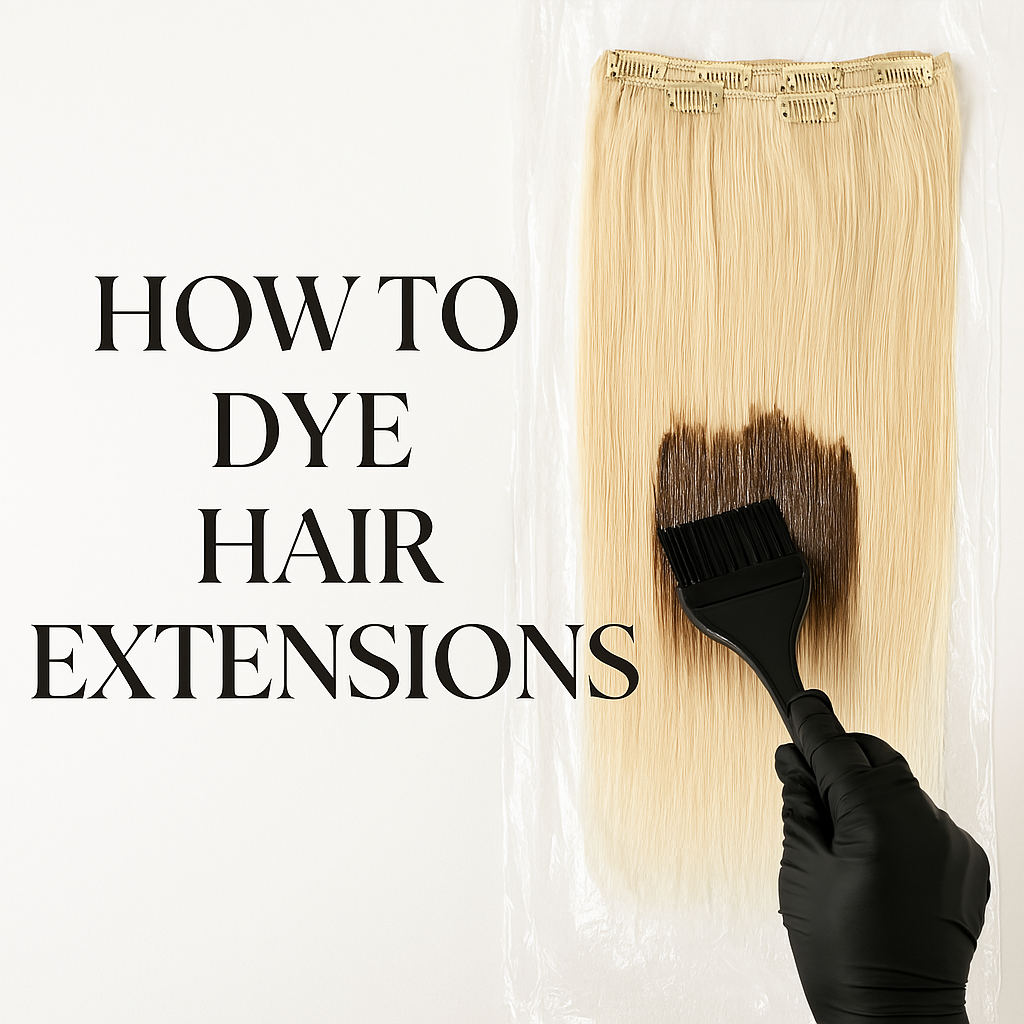
Dyeing hair extensions has become a popular pursuit for many enthusiasts of beauty and self-expression, raising the tantalising question: “Can you dye fake hair extensions?” To navigate the world of colour application on artificial strands, one must tread carefully, as different materials and dye types lead to disparate outcomes. Therefore, understanding the nuances of dyeing these hair enhancements is vital for achieving both aesthetics and durability. Below, we encapsulate crucial factors, tips, and techniques for safely dyeing your hair extensions.
1. Understanding Hair Extension Materials
The first step in your dyeing journey is to comprehend what your hair extensions are made of. Human hair extensions, often prized for their realism and versatility, can generally withstand traditional hair dyeing techniques. Conversely, synthetic hair extensions, crafted from materials like Kanekalon or Toyokalon, are less amenable to dyeing. The polymers which constitute these materials often repel hair dye, and the colours that do adhere can lead to uneven results or a complete alteration in texture.
2. Choosing the Right Dye
Once you’ve confirmed the material composition of your extensions, the subsequent step is selecting an appropriate dye. For human hair extensions, semi-permanent dyes are often recommended. These dyes are less damaging than their permanent counterparts while still providing a vibrant finish. For synthetic extensions, it’s prudent to source dyes specifically formulated for non-human hair. Such dyes, usually in the form of markers or sprays, allow for colour changes without compromising the integrity of the strands.
3. Conducting a Strand Test
Prior to embarking on a full application, performing a strand test is imperative. This preliminary step helps to ascertain how the hair will react to the dye of your choice. To carry this out, apply a small amount of dye to a hidden section of hair extension and observe the results after the recommended processing time. This innocuous exercise unveils whether the hue achieved aligns with your aspirations, mitigating potential mishaps.
4. Preparing Your Workspace
Preparation is key to a successful dyeing experience. Always ensure you’re working in a well-ventilated area, with protective surfaces covered to avoid staining. Equip yourself with gloves, an old towel, and a dyeing brush or applicator. Gathering these materials ahead of time transforms a daunting task into a well-executed endeavour.
5. Application Techniques
The method of application can significantly influence the final outcome. For human hair extensions, lightly misting the hair with water before applying the dye can promote a more even application. For synthetic hair, however, spraying or “painting” the dye on rather than submerging the hair is advisable. This delicacy ensures that the strands do not become sticky or lose their original texture. Begin at the tips and gradually work towards the roots, ensuring saturation without over-saturation.
6. Processing Time
Each dye will have specific instructions regarding processing time, which should be closely adhered to. Generally, a shorter processing time is advisable for synthetic fibres to prevent damage. In contrast, human hair can withstand longer periods, allowing for deeper colour penetration. In either case, monitoring the colour development is crucial—don’t hesitate to rinse out the dye early if the desired shade is achieved sooner than expected.
7. Rinsing and Conditioning
After the processing time has elapsed, it’s time to rinse. Using cool water will help seal the cuticles and lock in colour. For human hair, a colour-safe shampoo followed by a quality conditioner will maintain the vibrancy of your newly dyed locks. In contrast, synthetic hair should simply be rinsed thoroughly with water as employing shampoo could strip the colour. Conditioners should be avoided as they may cause the synthetic fibres to clump together.
8. Maintaining Your Dyed Extensions
The care regimen following the dyeing process is paramount. For human hair extensions, using sulphate-free shampoos and conditioners will help preserve colour and minimise fading. Regular deep conditioning treatments can also reinstate moisture, keeping the hair luscious. Synthetic hair, however, requires gentler care. Use minimal heat and avoid styling products that could degrade the strands.
9. Embracing Creativity: Fun Techniques to Experiment With
Dyeing isn’t confined to full coverage. Consider employing techniques such as ombre, highlighting, or balayage for a more nuanced look. These methods allow you to play with shades while maintaining a natural gradient, elevating your appearance to new heights. Creativity in colour applications can reflect personality, making the hair transformation journey even more fulfilling.
10. When to Seek Professional Help
Despite best intentions and diligent preparation, there are instances when professional intervention is warranted. If the colour outcome is not as desired, or if there’s uncertainty regarding the dyeing process, don’t hesitate to consult a professional stylist. Their expertise can guide you in making informed decisions, ensuring your extensions retain their splendour long after the dyeing session.
In conclusion, while the allure of dyeing hair extensions is strong, thoughtful consideration and careful execution are paramount. With the right materials, tools, and diligence, you can successfully alter the hue of your hair extensions while preserving their integrity. This passion for colour not only enhances personal aesthetics but also embodies a powerful avenue for self-expression and creativity in the evolving world of beauty.
FAQ
Can you dye synthetic hair extensions?
Dyeing synthetic hair extensions is possible but requires specific dyes formulated for synthetic materials, as traditional hair dyes may not adhere well.
What is a strand test?
A strand test involves applying dye to a small, hidden section of the hair extension to check how it reacts before dyeing the entire piece.
How should I care for my dyed hair extensions?
For human hair extensions, use sulfate-free shampoos and conditioners, while synthetic hair should be rinsed thoroughly without shampoos to maintain color.


Leave a Reply