Short Answer
Ingrown toenails—those pesky ailments that can turn even the simplest activities into excruciating experiences. They occur when the edge of the toenail grows into the surrounding skin, leading to pain, swelling, and sometimes infection. An essential preventive measure is proper toenail trimming. In this guide, we will delve into the nuances of cutting toenails judiciously to avert ingrown nails while exploring essential podiatrist tips.
Understanding Ingrown Toenails
Before contemplating the appropriate cutting methods, it’s vital to comprehend what constitutes an ingrown toenail. Medically termed ‘onychocryptosis’, this condition can arise due to various factors including improper trimming techniques, ill-fitting footwear, or hereditary traits. Often, the big toe is the primary victim, but any toe can be susceptible. Symptoms range from mild discomfort to severe inflammation, warranting clinical intervention in extreme cases.
The Ideal Tools for Toenail Trimming
Equipping oneself with the right tools is paramount in ensuring a successful toenail cutting experience. Utilising high-quality toenail clippers—specifically designed for the task—ensures a clean cut. Look for clippers with a straight edge rather than a curved one. A straight edge allows for precise cutting along the nail’s natural contour. Additionally, a pair of nail files and cuticle pushers can help achieve the finest finish without risking injury to surrounding skin.
Step-by-Step Guide to Cutting Toenails
- Prepare Your Environment: Choose a well-lit and comfortable area. Sit in a relaxed position where your feet are easily accessible. This will set a conducive environment for the task ahead.
- Soften Your Toenails: Prior to cutting, consider soaking your feet in warm, soapy water for about 10-15 minutes. This relaxes the nail and skin, allowing for an easier and more accurate trim.
- Dry Thoroughly: After soaking, dry your feet completely, focusing on the areas between your toes to prevent fungal infections.
- Visual Inspection: Before you begin cutting, examine your toenails. Look for any signs of fungal infections or abnormalities that might necessitate a visit to a podiatrist.
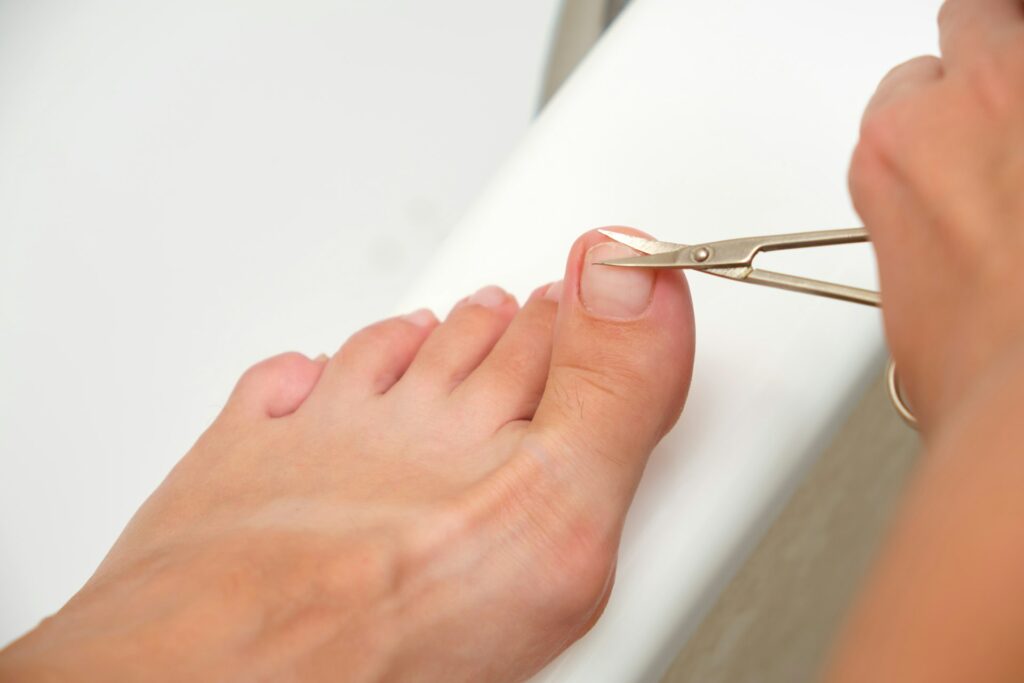
- Cut Straight Across: With clippers, trim the toenail straight across, avoiding any rounding at the corners. This method mitigates the risk of the nail growing into the skin. Aim for a slight amount of white nail at the tips, rather than cutting them too short.
- File Edges Smooth: After clipping, employ a nail file to smooth the edges. This further reduces the likelihood of the nail snagging on socks or footwear.
- Frequent Maintenance: Regularly check your toenails, trimming them every 4-6 weeks or as needed. Maintaining a consistent schedule is crucial in preventing ingrown toenails.
Common Mistakes to Avoid
Inadequate nail care can lead to a plethora of issues. One common error is cutting nails too short; not only does this increase the likelihood of ingrown toenails, but it can also result in painful infections. Likewise, rounding the corners while cutting can invite disaster. Remember, the aim is to cut in a straight line. Avoid wearing tight shoes that compress your toes, as these can exacerbate the problem. When selecting footwear, ensure there is ample space around the toes to allow for natural movement.
Know When to Seek Professional Assistance
It is crucial to understand when self-care is insufficient. If you notice persistent pain, swelling, or discharge from the affected area, consult a podiatrist promptly. They have the expertise to assess the situation accurately. In some cases, minor surgical intervention may be required to address severe ingrown toenails, especially if they become ingrown chronically.
Additional Tips for Healthy Feet
Cultivating healthy toenails involves more than just trimming. Maintaining overall foot hygiene is paramount. Wash your feet daily, ensuring to dry them thoroughly. Moisturise the skin to prevent cracking but avoid applying lotion directly between the toes as this can attract fungus. Additionally, using antifungal powders in shoes can help keep feet dry and free from potential infections.
Footwear Considerations
The significance of appropriate footwear cannot be overstated. Shoes that provide ample room for toe movement and support can dramatically reduce the risk of toenail-related issues. Opt for shoes that accommodate the natural shape of your foot, as this lessens pressure on your toenails. If you frequently wear heels or tight shoes, consider alternating with more comfortable footwear whenever possible.
Conclusion
By adhering to these podiatrist tips and maintaining a dedicated foot care routine, you can significantly reduce the risk of developing ingrown toenails. Proper trimming techniques, coupled with mindful shoe choices, are your frontline defences in combating this common ailment. Prioritize your foot health; happy feet lead to happier days!
FAQ
What are the signs of an ingrown toenail?
Signs include pain, swelling, and redness around the toenail, as well as discharge in severe cases.
How often should I trim my toenails?
It is recommended to trim toenails every 4-6 weeks or as needed.
What tools are best for cutting toenails?
High-quality toenail clippers with a straight edge, nail files, and cuticle pushers are recommended.


Leave a Reply