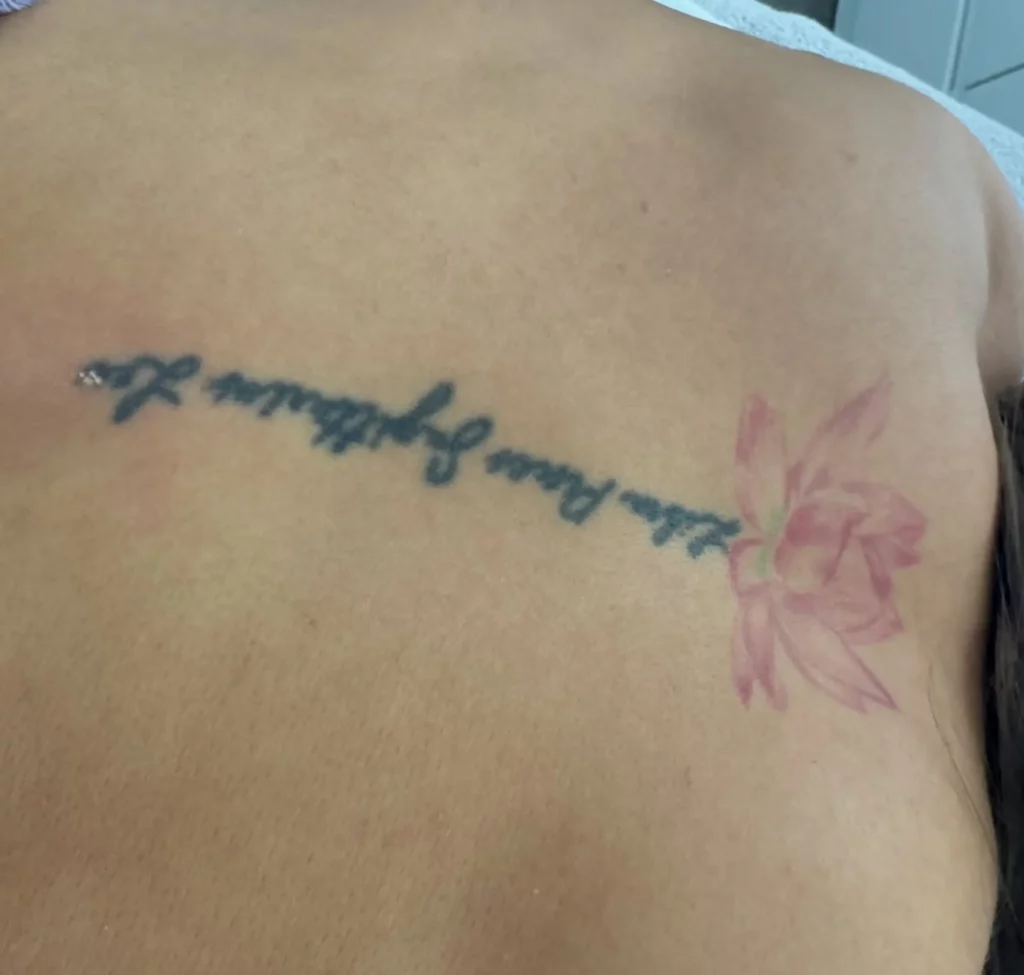
Short Answer
Tattoo removal is an increasingly popular procedure for individuals seeking to erase ink that may no longer hold significance or appeal. Amidst the allure of reclaiming one’s skin, a common concern arises: “Can tattoo removal cause scarring?” This query invites a deeper examination of the healing process, the associated risks, and effective preventive measures.
The Mechanism of Tattoo Removal
Tattoo removal typically employs various techniques, with laser removal being the most prevalent. The laser emits short pulses of light that target the ink particles embedded in the dermis. As the light energy is absorbed, it breaks down the particles into smaller fragments that are later expelled by the body’s immune system. However, the very nature of this invasive procedure can lead to skin trauma, raising fears about potential scarring.
Understanding Scarring
Scarring is essentially the body’s natural response to injury. When the skin sustains damage, whether from a tattoo or removal process, the body reacts by forming scar tissue to heal the wound. This scar tissue is different from the surrounding skin; it may appear discoloured or textured, creating a stark contrast even after the healing process is complete. The likelihood of scarring post-tattoo removal can be influenced by several factors.
Factors Influencing Scarring
- Skin Type: Individuals with darker skin tones may have a higher propensity to develop post-inflammatory hyperpigmentation. Conversely, fairer skin can be prone to redness and visible scarring.
- Ink Colour: Certain colours, particularly darker inks like black and blue, are more challenging to remove, potentially leading to more extensive skin damage.
- Technique and Equipment: The skill of the technician and the sophistication of the laser equipment play a pivotal role in minimising trauma to the skin.
- Aftercare: Post-procedure skin care is crucial in preventing complications, including scarring.
Recognising the Risks
With any medical procedure, it’s vital to weigh the risks. Beyond scarring, individuals may experience complications such as:
- Infection: The removal site can be vulnerable to bacteria, leading to infections that exacerbate scarring.
- Hyperpigmentation: This condition can manifest as dark spots on the skin post-removal and may be particularly noticeable in individuals with darker skin tones.
- Allergic Reactions: There is a potential for adverse responses to the laser or topical treatments used during the healing phase.
While these risks are significant, many can be mitigated through appropriate measures.
Prevention Tips: Minimising Scarring
Implementing the following strategies can greatly reduce the likelihood of scarring and promote healthier healing:
- Choose an Experienced Practitioner: Selecting a skilled and certified professional who uses advanced equipment can make a profound difference in the outcome. Look for recommendations and reviews before making a selection.
- Adhere to Aftercare Instructions: Follow the guidelines provided by your practitioner meticulously. This may include keeping the area clean and dry, applying prescribed ointments, and avoiding direct sunlight.
- Moisturise Regularly: Keeping the skin hydrated aids in the healing process. Use gentle moisturisers that support skin healing without irritation.
- Avoid Picking or Scratching: It can be tempting to touch scabbing areas, but doing so can lead to further skin trauma and increase the likelihood of scarring.
- Protect from the Sun: Sun exposure can exacerbate hyperpigmentation and scarring. Use a broad-spectrum SPF when sun exposure is unavoidable.
The Emotional Impact of Scarring
The fascination with tattoo removal extends beyond the physical realm into emotional territory. For many, tattoos signify past identities or experiences, and their removal often represents a significant personal transition. The prospect of scarring can evoke anxiety, as these remnants can become symbolic of unresolved feelings associated with the past tattoos. Addressing the emotional implications of tattoo removal is as crucial as understanding the physical risks.
Conclusion
In summary, while tattoo removal can undoubtedly leave scars, not everyone will experience this outcome. With a comprehensive understanding of how tattoo removal works, the factors influencing scarring, and the implementation of effective prevention tips, individuals can approach their tattoo removal journey with greater peace of mind. Ultimately, the decision to remove a tattoo is deeply personal, merging the desire for self-expression with the realities of body image and healing. By steering through the complexities of this process thoughtfully, one can emerge with skin—and a spirit—that reflects their current narrative.
FAQ
Can tattoo removal cause permanent scars?
While tattoo removal can cause scarring, permanent scars are not guaranteed and depend on factors such as skin type, removal technique, and aftercare.
How can I reduce the risk of scarring after tattoo removal?
Choosing an experienced practitioner, following aftercare instructions, moisturizing regularly, avoiding picking at scabs, and protecting the area from the sun can help minimize scarring.
Are certain tattoo ink colors harder to remove without scarring?
Yes, darker inks like black and blue are generally harder to remove and may increase the risk of skin trauma and scarring.
What are common complications besides scarring after tattoo removal?
Infection, hyperpigmentation, and allergic reactions are possible complications that may affect healing and appearance.
Leave a Reply