
Short Answer
Divorce, particularly for high net worth individuals, is an intricate affair that necessitates meticulous strategies for asset protection and management. When a marriage dissolves, the implications for financial stability can be profound, given the often vast and varied assets involved. This article outlines essential legal strategies and insights, aiming to provide a comprehensive understanding of how to navigate high net worth divorce whilst securing one’s financial interests.
Understanding the complexities inherent in high net worth divorce is paramount. Unlike traditional divorce proceedings, where assets may be limited to family homes and vehicles, high net worth divorces can involve real estate portfolios, businesses, investment accounts, and even intellectual property. The first point to consider is the categorisation of assets. Assets are generally divided into three categories: separate property, marital property, and community property. Knowing the differences—and when they apply—will greatly influence the distribution outcome.
**1. Grasping Asset Classification**
One of the cornerstones of effective divorce strategy lies in understanding the classification of assets. Separate property refers to assets owned by either party prior to the marriage, while marital property includes assets acquired during the marriage. Community property jurisdictions handle these distinctions differently, often dividing assets equally, whereas equitable distribution states allocate assets based on fairness, considering multiple factors such as contribution and needs.
Additionally, it is imperative to accurately determine valuations. Engaging professionals for appraisals is critical, especially for unique assets like antiques, art, and businesses. A comprehensive asset inventory is crucial, as omitted assets may lead to unfavourable settlements.
**2. Employing Prenuptial and Postnuptial Agreements**
Another layer of protection can be added through prenuptial or postnuptial agreements. These legal documents delineate the ownership and distribution of assets in the event of a divorce. Retaining a seasoned attorney to draft these instruments can enhance their enforceability. Although not infallible, these agreements serve as preemptive measures designed to mitigate disputes and protect accumulated wealth.
As life circumstances evolve—whether through expanding wealth, changing careers, or having children—updating these agreements becomes essential. A well-structured postnuptial agreement can reflect the current state of affairs, ensuring continual security for both parties involved.
**3. Professional Guidance: Legal and Financial Experts**
During a high net worth divorce, the complexity of financial arrangements necessitates collaboration with specialised professionals. Engaging both legal counsel and financial advisors equipped with experience in divorce cases can illuminate potential pitfalls and guide strategic decisions. Attorneys focused on family law can navigate the legal landscape, ensuring adherence to pertinent legislation and safeguarding rights.
Furthermore, financial experts can evaluate asset portfolios, tax implications, and potential settlement scenarios, promoting informed decisions. They can also help devise strategies for liquidity needs, especially important when dividing non-liquid assets like property or business interests.
**4. Preservation of Business Interests**
When a high-net-worth individual is a business owner, protecting these interests becomes paramount. Business valuations must consider operational aspects, potential future earnings, and market conditions. Structuring the business as a separate entity, such as a corporation or limited liability company, can sometimes protect it as a distinctly separate asset in divorce proceedings. This separation may prevent personal liabilities from affecting business interests, thus preserving their integrity.
In addition, strategies such as shareholder agreements or buy-sell agreements can mitigate the risk of business dissolution due to divorce. This foresight ensures that both partners have clarity on ownership and management transitions should separation occur.
**5. Child Custody and Support Considerations**
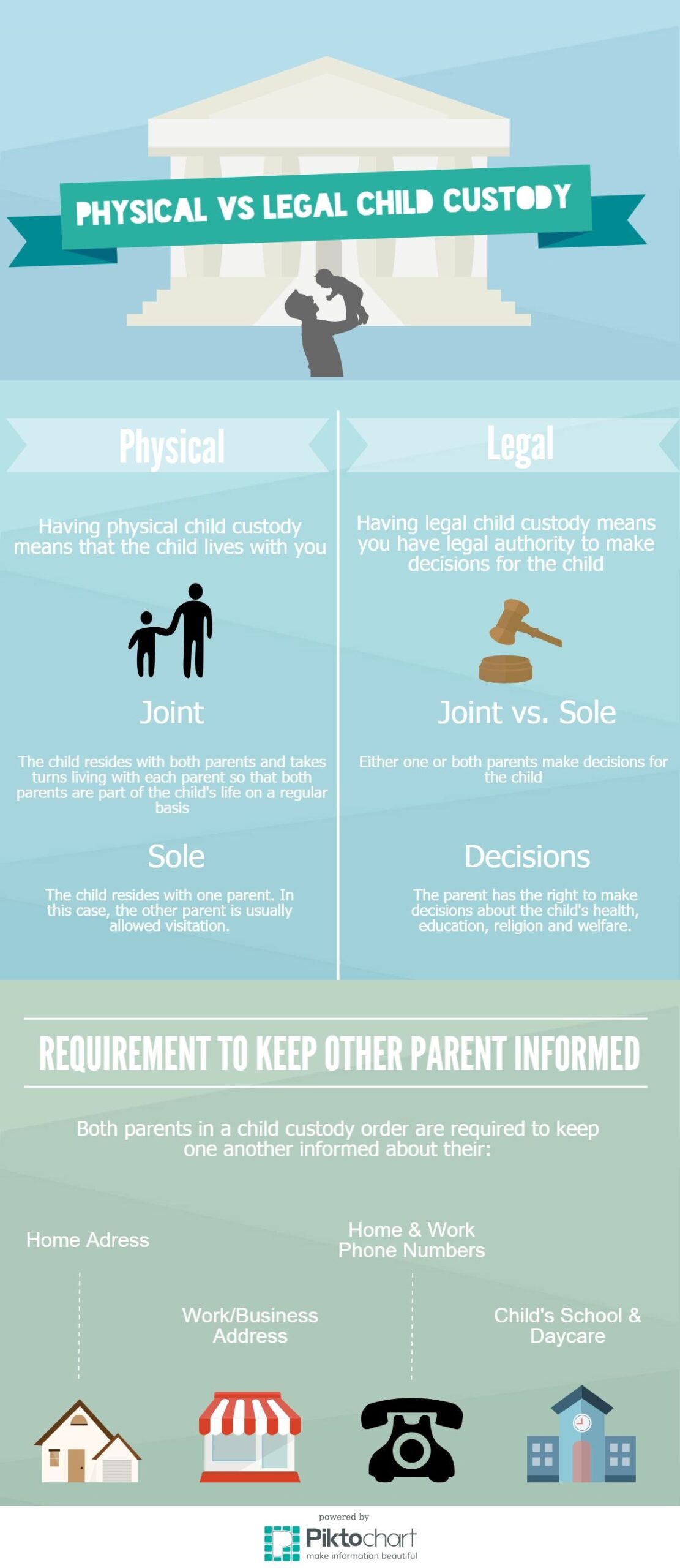
In high net worth divorces, child custody and support emerge as significant components that intertwine with financial considerations. Courts prioritise the welfare of the children, often leading to extensive negotiations. Ensuring financial stability for dependents typically results in high support obligations, which necessitates careful financial planning. The establishment of child support can involve complex calculations based on the standard of living, educational needs, and future expenses.
Moreover, establishing a stable custodial environment can influence asset division; custodial parents may require additional assets to maintain a family home, thus necessitating strategic negotiation. It is advisable to draft a comprehensive child support plan that encompasses medical expenses, schooling, extracurricular activities, and more to avoid future disputes.
**6. Tax Implications and Long-Term Financial Planning**
A pivotal aspect of any divorce settlement involves understanding tax ramifications. Frequently overlooked, taxation can eat into asset distributions, thus financial simulations should encompass both immediate and long-term perspectives. Consulting a tax professional is essential for dissecting implications surrounding asset distribution and support obligations, which may inform the negotiation process.
Long-term financial planning should factor in retirement accounts, inheritance, and future income, as these elements can influence overall wealth. Strategies such as the division of qualified plans, knowing whether assets can be rolled over without penalty, require detailed attention.
**7. Emotional Considerations Amidst Financial Strategy**
High net worth divorce proceedings are not solely financial transactions; they encompass emotional landscapes rife with tension. Finding ways to manage one’s emotional state during such tumultuous times is vital. Engaging mediators or therapists can facilitate productive discussions and help navigating negotiations with a degree of civility.
Ultimately, ensuring emotional well-being while maintaining a clear sight of financial objectives can create a balanced approach towards resolution. Ensuring that assets are handled with diligence, combining empathic understanding with strategic foresight, often yields the best outcomes in high-stakes scenarios.
In summary, navigating a high net worth divorce requires an extensive understanding of asset protection and legal strategies. From grasping asset classification and utilising prenuptial agreements to working with financial and legal professionals, each step plays a critical role in safeguarding wealth and securing futures. By efficiently addressing the multifaceted aspects of divorce, individuals can minimise the turbulence of separation and emerge with a clearer understanding of their financial standing.
FAQ
What is asset classification in a high net worth divorce?
Asset classification involves categorizing assets as separate property, marital property, or community property to determine how they are divided during divorce.
What role do prenups and postnups play?
These agreements outline ownership and division of assets before or after marriage, helping to protect wealth and reduce disputes.
Why is business valuation important?
Proper valuation ensures fair division of business interests and helps preserve business continuity post-divorce.
How does child custody affect financial arrangements?
Custody decisions can impact asset division and support obligations to maintain the standard of living for children.
What should be considered regarding tax in divorce settlements?
Tax implications on asset transfers and support payments should be carefully planned to avoid unexpected liabilities.


Leave a Reply