Short Answer
As winter’s chill envelops the landscape, many homeowners ponder a critical question: what temperature do pipes freeze? While this query may appear straightforward, the implications stretch far beyond a mere number on a thermometer. Understanding the science behind freezing temperatures and the threats posed to plumbing systems offers valuable insights that can help safeguard your home from the perils of winter.
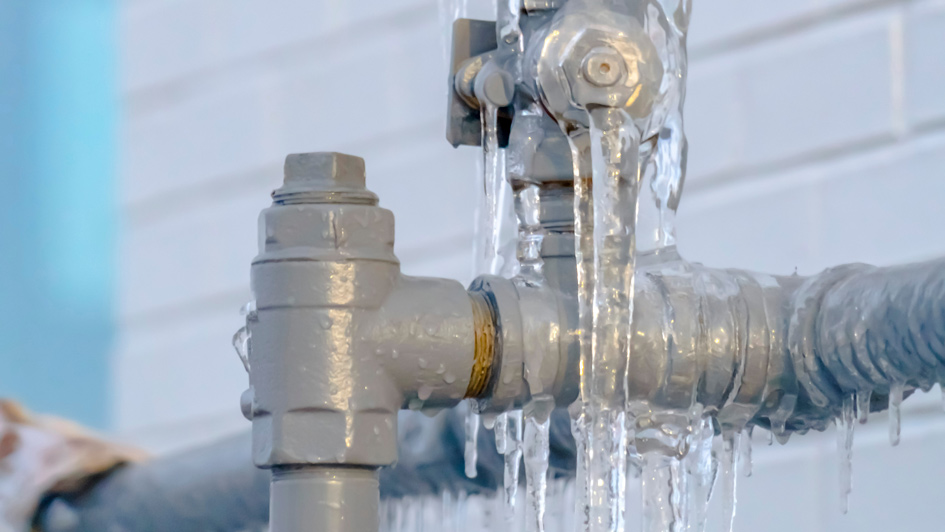
When it comes to plumbing, water has a unique property: it expands as it freezes. Typically, water pipes made from materials such as copper, plastic, or PVC will start to freeze when the external temperatures plunge to around 0°C (32°F). Consequently, the moisture within the pipes expands, exerting immense pressure on the pipe walls. This pressure can lead to catastrophic ruptures, resulting in costly damages, unwanted indoor lakes, and repair bills that can take a significant toll on any household budget.
To comprehend when and why pipes freeze, it is imperative to delve into the interplay between temperature, insulation, and the location of plumbing installations. Pipes that are exposed to fluctuating and extreme temperatures are particularly susceptible to freezing. For instance, uninsulated pipes situated in attics, garages, or exterior walls are risk-laden, especially when temperatures drop significantly. Insulation serves as a crucial buffer; its absence can spell disaster when the frost starts to bite.
Another fascinating observation is that not all pipes freeze at the same temperature. Environmental influences, airflow, and the presence of heat sources play substantial roles. For instance, a pipe nestled in an unheated basement may succumb to freezing far earlier than a pipe positioned alongside a heated wall. This means that merely monitoring the outdoor temperature is insufficient; vigilance must also extend to the internal dynamics of your home.
Several factors contribute to the likelihood of pipe freezing, including:
- Duration of Low Temperatures: Prolonged exposure to temperatures below 0°C increases the chances of freezing. It is essential to monitor weather forecasts closely during extended cold spells.
- Wind Chill: Wind can exacerbate cold temperatures, causing rapid heat loss in unprotected areas. This phenomenon is vital in understanding why certain pipes freeze more quickly in windy conditions.
- Water Flow: Pipes with stagnant water are more susceptible to freezing, as moving water is less likely to freeze in sub-zero conditions. Keeping taps slightly open during extremely cold weather can mitigate freezing risks.
Arming oneself with knowledge is only part of the equation. Proactive measures are crucial for winter plumbing protection. Herein lies a practical guide to ensure that your home remains unscathed by the bitter embrace of winter:
1. Insulate Pipes
Begin by insulating your pipes. Use foam insulation or pipe sleeves to wrap any pipes that are vulnerable to freezing, particularly in attics or basements. This layer acts as a thermal barrier, sustaining warmth in the winter months.
2. Seal Cracks and Openings
Inspect your home for drafts and seal any cracks or openings in external walls. A chilly breeze whistling through small gaps can rapidly lower the temperature of nearby pipes. Consider using caulk or expanding foam to block these potential conduits for cold air.
3. Keep the Heat On
During extreme cold spells, it may be wise to maintain a consistent temperature throughout your home, especially in areas where plumbing is located. Allowing central heating to run continuously can prevent pipes from dipping below critical temperatures.
4. Let Faucets Drip
On particularly frigid nights, letting your faucets drip can be an invaluable strategy. The steady flow of water reduces the pressure build-up in the pipes, making freezing less likely. This method is especially potent for any faucets located on exterior walls.
5. Open Cabinet Doors
If you have plumbing located in bathroom or kitchen cupboards, open the cabinet doors to allow warm air to circulate around the pipes. This simple maneuver can make a surprising difference in preventing freezes.
6. Consider Heating Cables
In extreme climates, consider investing in electric heating cables. These devices can be affixed to pipes to maintain a steady temperature during harsh winters. They are particularly advantageous for vulnerable areas such as exterior piping or areas prone to severe cold.
7. Manage the Thermostat
When leaving home for an extended period, set your thermostat to at least 12°C (55°F) to ensure that pipes remain non-freezing. Homeowners often overlook this detail, leading to unexpected plumbing disasters in vacant properties.
8. Regularly Monitor Temperature
Implement a system to monitor indoor temperatures in susceptible areas, using thermometers or smart home systems. Early detection of temperature drops can help mitigate potential issues before they manifest into severe problems.
In conclusion, understanding the temperature at which pipes freeze is merely the starting point. Addressing the underlying factors and implementing protective measures is critical to ensuring that your home remains secure from the winter menace of frozen pipes. As winter approaches, arm yourself with the knowledge and tools necessary to protect your plumbing systems, allowing you and your family to enjoy the season without undue worry.

Leave a Reply