Short Answer
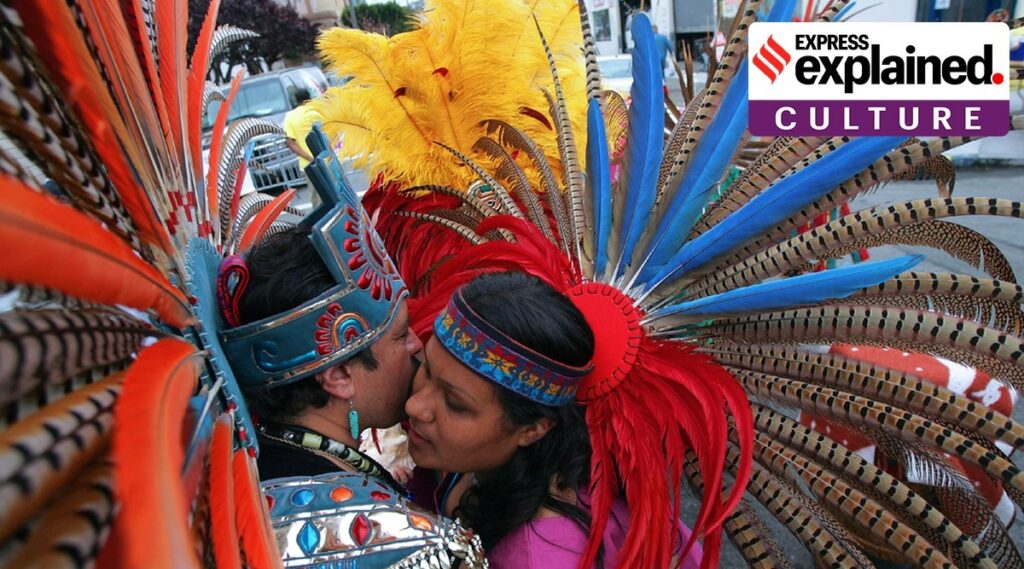
Cinco de Mayo, often mistaken for the Day of the Dead, is an annual celebration that evokes jubilant festivities, vivacious parades, and a cornucopia of culinary delights. However, the true significance of this day might be obscured by common misconceptions, particularly its conflation with Día de los Muertos, or the Day of the Dead. To unravel this intriguing myth, one must delve into the origins, celebrations, and cultural significance of Cinco de Mayo.
To the uninitiated, it may seem paradoxical that two such distinct observances could intertwine in the popular imagination. Cinco de Mayo commemorates a specific historical event—the Battle of Puebla in 1862—where the Mexican army, under the leadership of General Ignacio Zaragoza, triumphed against French forces. This victory, though not a marker of Mexico’s independence, holds immense national pride and cultural resonance, demonstrating resilience in the face of colonial aggression.
The Day of the Dead, in stark contrast, is a deeply rooted Mexican tradition devoted to honouring deceased loved ones. Celebrated primarily on November 1st and 2nd, it intertwines Indigenous beliefs with Catholicism, establishing a colourful panorama of altars, marigolds, and sugar skulls (calaveras). This holiday invites souls to return momentarily to partake in the living, creating a poignant juxtaposition of life and death. Thus, while both occasions affirm the spirit of Mexican culture, their purposes and meanings diverge significantly.
Understanding this difference demands a closer examination of the historical context. The Battle of Puebla was a product of imperialist ambitions, specifically, the attempt by Napoleon III to expand French influence in Mexico. The ensuing victory was emblematic of Mexican unity and a rejection of oppressive rule—the fervour felt on this day encapsulates the struggle for sovereignty. Celebrating Cinco de Mayo serves as a reminder of that bravery, rejuvenating national pride and cultural identity.
In Mexico, Cinco de Mayo is predominantly celebrated within the state of Puebla, where the historical battle took place. The festivities comprise a rich tapestry of events, including parades featuring soldiers, re-enactments of the battle, and local food fairs showcasing traditional Mexican cuisine. However, it’s important to distinguish that this is not a nationwide holiday in Mexico. It is often more of a regional observance, overshadowed by the grand celebration of Mexican Independence Day on September 16th.
Internationally, particularly in the United States, Cinco de Mayo has morphed into a vibrant celebration of Mexican heritage, evolving beyond its historical roots into a day marked by lively parties, music, and cuisine. From taco festivals to tequila tastings, the day has become an emblem of cultural camaraderie. Yet, with this cultural appropriation comes the risk of diluting its historical significance, transforming a solemn remembrance into a commercial spectacle.
The passion ignited by Cinco de Mayo draws individuals from all walks of life, piquing curiosity about its historical underpinnings. The day serves as a catalyst for cultural exploration, encouraging dialogues around Mexican history and the broader implications of colonialism, identity, and resistance. In recent years, there has been a growing movement to educate people about the true essence of the holiday, advocating for an appreciation that goes beyond superficial festivities.
One might wonder, why does the misassociation with the Day of the Dead persist? The juxtaposition of these two significant dates reflects a larger trend where cultural observances become homogenised or misrepresented. The popularity of Día de los Muertos in contemporary media, especially with its visually striking symbols, perhaps creates a misconception that draws parallels with Cinco de Mayo. The festive elements of both holidays—vibrant decorations, communal gatherings—may further blur the lines in popular consciousness.
Moreover, the connections between death, memory, and celebration resonate powerfully in both traditions. In essence, Cinco de Mayo embodies a celebration of life and resistance, while the Day of the Dead pays homage to those who have passed, creating a fascinating tapestry of cultural motifs that reveal the richness of Mexican heritage. This underscores the importance of education and awareness, as one navigates these vibrant traditions.
The future of these celebrations hangs delicately in the balance. As Cinco de Mayo continues to gain momentum across the globe, it beckons both respect and curiosity. It prompts us to not only partake in the festivities but to delve into the narratives that shape them. Engaging with the authentic history of Cinco de Mayo can transform superficial celebrations into opportunities for meaningful dialogue and understanding.
In conclusion, while Cinco de Mayo and the Day of the Dead share a cultural landscape, their narratives diverge profoundly. The former elevates the valour of a nation defending its sovereignty, while the latter cherishes the memories of those who have departed. As we navigate through vibrant festivities, it is vital to uphold the integrity of these cultural observances, ensuring a nuanced understanding that honours their unique histories. Ultimately, embracing these celebrations fosters a rich appreciation of the resilience and vibrance of Mexican culture, urging us to reflect on the multifaceted meanings imbued in these days of remembrance and joy.
FAQ
What does Cinco de Mayo commemorate?
Cinco de Mayo commemorates the Mexican army's victory over French forces at the Battle of Puebla on May 5, 1862.
Are Cinco de Mayo and the Day of the Dead the same holiday?
No, Cinco de Mayo celebrates a historical battle, while the Day of the Dead honors deceased loved ones.
Why is Cinco de Mayo more widely celebrated in the United States than in Mexico?
In the U.S., Cinco de Mayo has become a celebration of Mexican culture and heritage, often including parties and festivals, whereas in Mexico it is primarily a regional observance.
When is the Day of the Dead celebrated?
The Day of the Dead is celebrated on November 1st and 2nd.
What are common symbols of the Day of the Dead?
Common symbols include altars, marigolds, sugar skulls (calaveras), and offerings to honor deceased loved ones.



Leave a Reply