Short Answer
Arthritis Bracelets for Men: Do They Really Help With Pain?
As the sun glimmers through the leaves, casting playful shadows on a winding path, life can sometimes become overshadowed by the insidious grip of arthritis. This condition, characterised by joint inflammation and pain, can transform even the simplest of tasks into Herculean challenges. Amidst the plethora of remedies and therapies available, the rise of arthritis bracelets has sparked both curiosity and scepticism. Do they offer a glimmer of hope, or are they merely decorative baubles with no true efficacy?
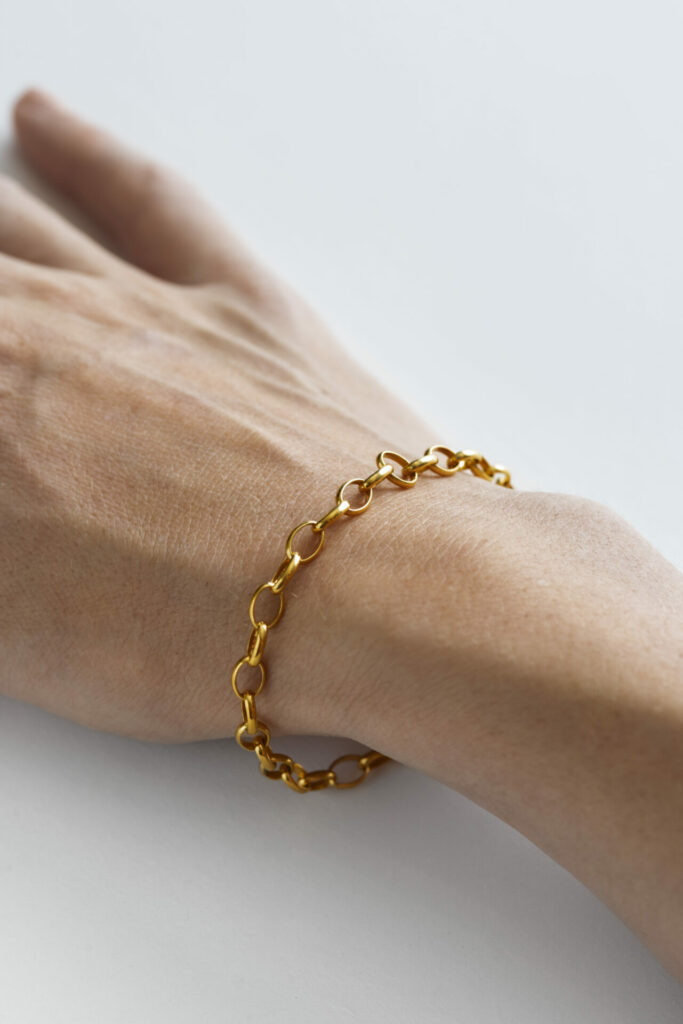
To understand the appeal of arthritis bracelets, one must delve into their design and the philosophies driving their popularity. Often crafted from materials such as copper, titanium, or magnetic elements, these bracelets are more than mere accessories; they embody a fusion of art and functionality. With intricate patterns and robust designs, they resonate with the aesthetic sensibilities of men who seek relief from pain while maintaining dapper presentation. To some, wearing an arthritis bracelet is akin to arming oneself with a talisman; the hope of alleviation held close to the heart.
The allure of these bracelets takes root in ancient remedies that have woven their way through the tapestry of human history. Cultures across the globe have espoused the notion that certain metals, particularly copper, possess curative properties. The belief is embedded in the lore of healing, where the charm of a copper bracelet is likened to a warm embrace, offering a sense of comfort. It’s intriguing how a simple adornment can evoke a myriad of emotions and stimulate the imagination regarding potential healing powers.
However, the question remains: do these bracelets translate their promise into genuine relief? Research surrounding the efficacy of arthritis bracelets is a mélange of anecdotal evidence that intertwines with scientific inquiry. Some proponents claim that wearing copper bracelets can inhibit inflammation, while others argue that any perceived relief is merely a placebo effect. This dichotomy presents an intriguing puzzle, one where perception often outweighs empirical evidence. It is as if the mind plays its own tricks, drawing upon the threads of hope, woven into the very fabric of our belief systems.
Moreover, magnetic bracelets have entered the fray, adopting a more scientific approach to pain management. Advocates suggest that the magnets embedded within the bracelets create a magnetic field that may enhance blood flow and reduce discomfort. This theory, however, requires further exploration, as the clinical studies surrounding magnetic therapy yield mixed results. Herein lies the beauty of uncertainty: while scientific validation is paramount, the human experience often transcends data and statistics.
Diving deeper, it is vital to consider the psychological dimension of wearing arthritis bracelets. For many men grappling with chronic pain, simply donning a bracelet can cultivate a robust sense of agency. This action transforms them from passive victims of their condition to proactive participants in their healing journey. The ritual of putting on a bracelet can serve as a daily affirmation—a reminder that they are taking steps towards reclaiming their well-being and defying the wearisome nature of arthritis.
The texture of pain can be multifaceted, often steeped in not just physical discomfort but also emotional turmoil. The gentle clasp of an arthritis bracelet against the skin can act as an anchor, a tactile reassurance amidst the storm of uncertainty. Beyond its potential pain-relieving properties, the bracelet serves to bolster self-image and engender confidence. As men sport their bracelets, they convey a message: they are not merely defined by their afflictions but are multifaceted individuals who embrace their journey with resilience.
Yet, as with all forms of alternative therapy, caution must be exercised. It is vital for individuals to approach arthritis bracelets not as panaceas, but as complementary tools in a comprehensive wellness strategy. Engaging in exercise, adhering to medical advice, and exploring evidence-based treatments must remain paramount. The harmony between traditional medicine and alternative approaches will always yield a more balanced perspective on managing arthritis.
Those contemplating the purchase of an arthritis bracelet should consider factors such as material, design, and personal resonance. The market boasts an array of styles—from rugged and masculine to sleek and sophisticated—allowing men to select pieces that not only potentially alleviate discomfort but also reflect their unique identities. Investing in a bracelet should feel akin to acquiring a piece of artistry, one that marries functionality with personal style—a symbol of strength forged from adversity.
In conclusion, the world of arthritis bracelets for men straddles the realms of comfort and belief. While scientific validation remains elusive, these adornments encapsulate a deeper significance. They are not merely a means to alleviate pain; they are artefacts that embody hope, psychological resilience, and individuality. Just as a lighthouse serves as a guiding beacon amidst treacherous waters, arthritis bracelets offer a glimmer of comfort and promise—a reminder that even in life’s most challenging moments, one can find beauty, strength, and the potential for healing.
FAQ
Do arthritis bracelets actually help with pain?
The efficacy of arthritis bracelets is debated, with some believing in their benefits while others attribute relief to placebo effects.
What materials are arthritis bracelets made from?
Common materials include copper, titanium, and magnetic elements, each believed to have varying effects on pain relief.
How should one approach the use of arthritis bracelets?
They should be used as complementary tools alongside traditional medical treatments, not as replacements.


Leave a Reply