Short Answer
When it comes to safety in both our homes and workplaces, one often overlooked aspect is the stairway. A seemingly mundane feature, stairs can pose a considerable risk if not properly equipped. One of the most effective safety solutions is the installation of anti-slip stair nosing. This pivotal addition not only enhances safety but also profoundly improves the overall aesthetic and functionality of staircases.
Stair nosing, the strip that covers the front edge of each step, plays a crucial role in providing additional grip. Anti-slip stair nosing, in particular, is specifically designed to prevent slips and falls. This is especially important in environments such as commercial buildings, where the risk of accidents can escalate due to heavy foot traffic and varying shoe types. The texture, material, and visibility of the nosing contribute significantly to overall safety, making it a wise investment.
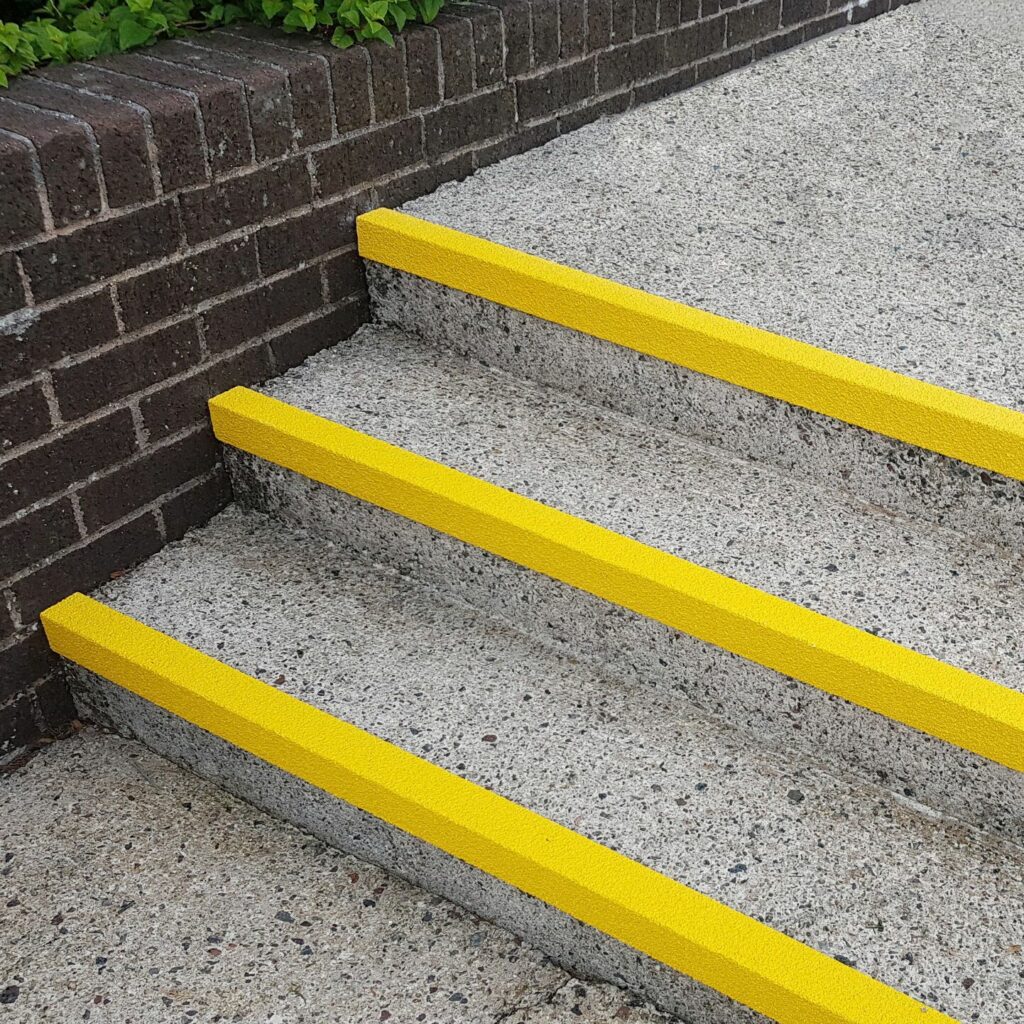
The primary function of anti-slip stair nosing is to enhance traction. Many surfaces, especially when wet or dusty, can become perilous. The combination of a textured surface and bright colours can provide vital contrast, helping users to see the edges of each step clearly. This visual cue alone can prevent many accidents, particularly for children and the elderly, who may struggle with depth perception.
In residential settings, the case for anti-slip stair nosing is equally compelling. Homes often see a diverse range of foot traffic—from children playing, to pets darting about, to elderly family members navigating stairs. All of these factors make safety paramount. By adding anti-slip protective strips, homeowners can mitigate the risk of falls, creating a safer environment for all residents and guests.
Moreover, the aesthetic appeal of stair nosing should not be overlooked. Available in a plethora of styles, colours, and materials, these strips can complement any décor. From sleek metal finishes to warm wooden tones, the options are virtually limitless. By matching the nosing to the staircase or surrounding interiors, it is possible to maintain the visual harmony of the space while simultaneously installing an effective safety feature.
Adopting anti-slip stair nosing can also be considered an investment in longevity. Stairs are subject to considerable wear and tear over time. Deteriorating edges can become hazardous, not just in terms of slips but also regarding potential injuries caused by tripping over chipped or broken steps. By covering the edges with durable anti-slip nosing, homeowners and businesses can extend the life of their stairs while enhancing safety.
In commercial settings, the implications of having well-maintained stair nosing extend beyond safety; they encompass legal and financial aspects as well. Employers have a duty of care towards their employees and visitors. Installing anti-slip features can demonstrate a commitment to safety, potentially safeguarding against lawsuits stemming from slip and fall incidents. This proactive approach is essential for maintaining a reputable image and fostering a secure workspace.
Furthermore, certain materials are conducive to the effectiveness of anti-slip nosing. For instance, rubber is a favoured choice due to its inherent grip, even in tricky conditions. Metal options, while offering a sleek finish, often incorporate non-slip coatings. Each material has its pros and cons, and selecting the appropriate one may depend on factors such as traffic levels, location, and intended usage. It is advisable to consult with experts to identify the most suitable material for specific stairways.
The installation of anti-slip stair nosing is not an arduous undertaking and can often be completed within a few hours, depending on the size of the staircase. Products come with adhesive backing for a straightforward application, though some might opt for screws for additional durability. There are also professional services available for installation, ensuring that the job is done correctly, offering peace of mind in terms of both safety and aesthetic appeal.
Maintenance of anti-slip stair nosing is relatively simple, but it is essential to keep it in good condition to ensure its functionality. Regular cleaning, along with periodic inspections for wear and tear, will keep the surfaces effective. If the nosing becomes worn down or damaged, prompt replacement is vital to maintain an effective safety barrier.
In conclusion, anti-slip stair nosing represents a multifaceted solution to a common concern that affects virtually every household or business. It addresses the necessity for safety while enhancing the aesthetic quality of stair designs. With an array of materials and designs available on the market, property owners can easily find the perfect match for their needs. Ultimately, investing in such a seemingly simple feature can have profound implications for safety, comfort, and longevity—all essential elements in both domestic and commercial settings.
FAQ
What is anti-slip stair nosing?
Anti-slip stair nosing is a strip applied to the front edge of steps to enhance traction and prevent slips and falls.
How does anti-slip stair nosing improve safety?
It provides additional grip, especially in wet or dusty conditions, and enhances visibility of step edges.
Can anti-slip stair nosing be used in both residential and commercial settings?
Yes, it is effective in both environments by reducing the risk of falls for various foot traffic types.
What materials are commonly used for anti-slip stair nosing?
Common materials include rubber, metal, and other textured finishes that offer durability and grip.
FAQ
What is anti-slip stair nosing?
Anti-slip stair nosing is a strip applied to the front edge of steps to enhance traction and prevent slips and falls.
How does anti-slip stair nosing improve safety?
It provides additional grip, especially in wet or dusty conditions, and enhances visibility of step edges.
Can anti-slip stair nosing be used in both residential and commercial settings?
Yes, it is effective in both environments by reducing the risk of falls for various foot traffic types.
What materials are commonly used for anti-slip stair nosing?
Common materials include rubber, metal, and other textured finishes that offer durability and grip.




Leave a Reply