Short Answer
Dental health is integral to overall wellness, and the need for restorative procedures such as bridge work is not uncommon. As patients seek to regain functional and aesthetic harmony in their smiles, understanding the cost of bridge work becomes essential. This article seeks to elucidate the myriad factors that influence the pricing of dental bridges and offer valuable insights into navigating insurance options. From materials to techniques, let’s delve into the intricacies of bridge work costs.
Understanding Dental Bridges
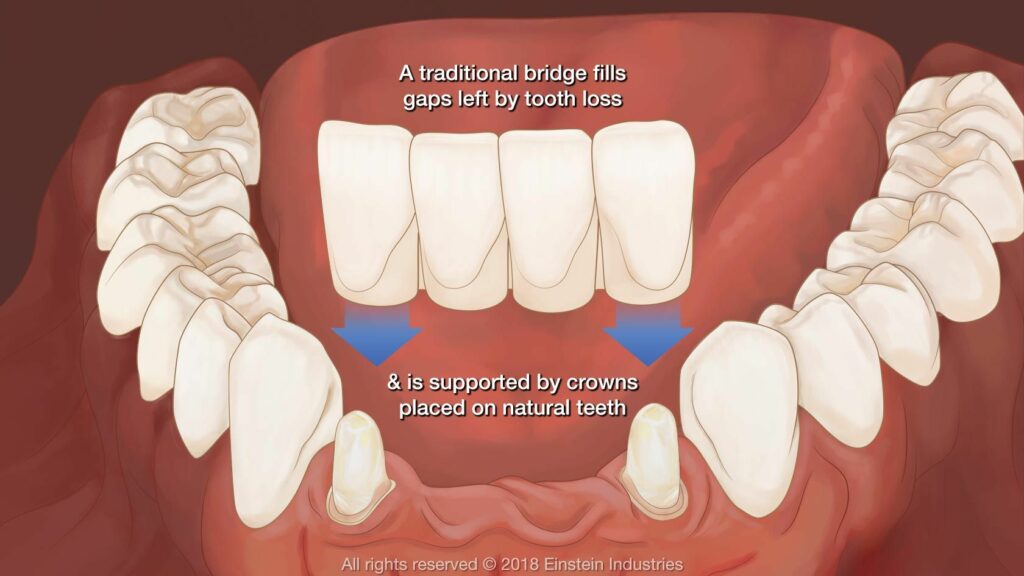
Before exploring costs, it’s paramount to grasp what bridge work entails. A dental bridge serves to “bridge” the gap left by one or more missing teeth. Typically, it comprises two or more crowns for the teeth on either side of the gap (abutment teeth) and one or more artificial teeth in between (pontics). The procedure not only enhances aesthetics but also restores functionality, allowing individuals to chew and speak without difficulty.
Types of Dental Bridges and Their Costs
The cost of bridge work significantly fluctuates based on the type of bridge chosen. The most common types include:
- Traditional Bridges: These involve crowns placed on the adjacent teeth and are the most widely used type. The cost can range from £400 to £1,500 per unit, depending on materials used.
- Cantilever Bridges: Useful in cases where only one tooth adjacent to the gap needs support. These can cost between £800 and £1,500 in total.
- Maryland Bridges: A conservative option that employs a framework bonded to the back of adjacent teeth. These bridges are generally less expensive, ranging from £400 to £1,200.
- Implant-supported Bridges: This type integrates dental implants for superior stability. However, it is the most costly, often ranging from £2,000 to £5,000, depending on the complexity and number of implants required.
While these price ranges provide a starting point, the final expenses can be influenced by several additional factors.
Factors Affecting the Cost of Bridge Work
Beyond the type of bridge selected, numerous variables impact the overall cost:
- Location: Dental practices in metropolitan areas may charge more than those in rural regions due to varying overhead costs.
- Experience of the Dentist: Highly skilled practitioners may command higher fees due to their expertise and track record of successful outcomes.
- Material Choice: The materials used for crowns and pontics heavily influence the final bill. Full porcelain variations often cost more than metal-based alternatives due to their aesthetic appeal and natural look.
- Complexity of the Case: Situations requiring preparatory work, such as root canals or gum treatment, will naturally escalate costs.
- Additional Treatments: Some patients may need accompanying procedures, such as tooth extraction or bone grafting, which can significantly inflate total costs.
Payment Options and Financial Planning
Understanding the payment landscape is crucial for those considering bridge work. Many dental practices provide flexible payment plans, allowing patients to spread the cost over a set period. It’s advisable to inquire about financing options that could alleviate the burden of a lump-sum payment. Moreover, some clinics may offer in-house dental plans, which could afford discounts or waived fees for essential services.
Insurance and Bridge Work: What You Need to Know
When contemplating dental bridge work, a comprehensive understanding of insurance coverage is vital. Many dental insurance plans do cover a portion of bridge work, classified under restorative procedures. However, the extent of coverage can vary based on the specifics of the policy.
- Coverage Limits: Most plans cap the amount reimbursed for restorative treatments, which can leave patients responsible for significant out-of-pocket expenses.
- Waiting Periods: Some policies impose waiting periods before benefits for major procedures can be claimed, requiring patients to plan ahead.
- Pre-authorization Requirements: Certain insurers mandate pre-treatment approvals to determine coverage eligibility, so it’s prudent to ensure documentation is in order before proceeding with any dental work.
For those relying on insurance to offset costs, ensuring clarity regarding what is included in your plan can prevent potential dissatisfaction and unforeseen expenses.
Final Thoughts
Costing for dental bridge work is not a monolithic figure; rather, it represents a confluence of factors that include the type of bridge chosen, the skill of the dental professional, the geographical location of the practice, and additional required treatments. As dental health plays a pivotal role in overall quality of life, proactively seeking solutions and understanding financial frameworks is essential. By arming yourself with knowledge about costs and insurance intricacies, you can make informed choices that uphold both your dental and financial health.
Taking the time to discuss options thoroughly with your dental provider can aid in determining the most suitable and financially viable solution tailored to your unique dental needs. Remember, investing in your oral health reaps benefits that extend far beyond just your smile.
FAQ
What is a dental bridge?
A dental bridge is a restorative dental device used to replace one or more missing teeth by anchoring artificial teeth to adjacent natural teeth or implants.
How much does dental bridge work typically cost?
Costs vary widely, typically ranging from £400 to £5,000, depending on the type of bridge, materials, and additional treatments needed.
Does dental insurance cover bridge work?
Many dental insurance plans cover part of the cost under restorative care but may have coverage limits, waiting periods, and require pre-authorization.
What payment options are available for dental bridge procedures?
Dental practices often offer flexible payment plans and in-house discount plans to help patients manage the financial burden.


Leave a Reply