Short Answer
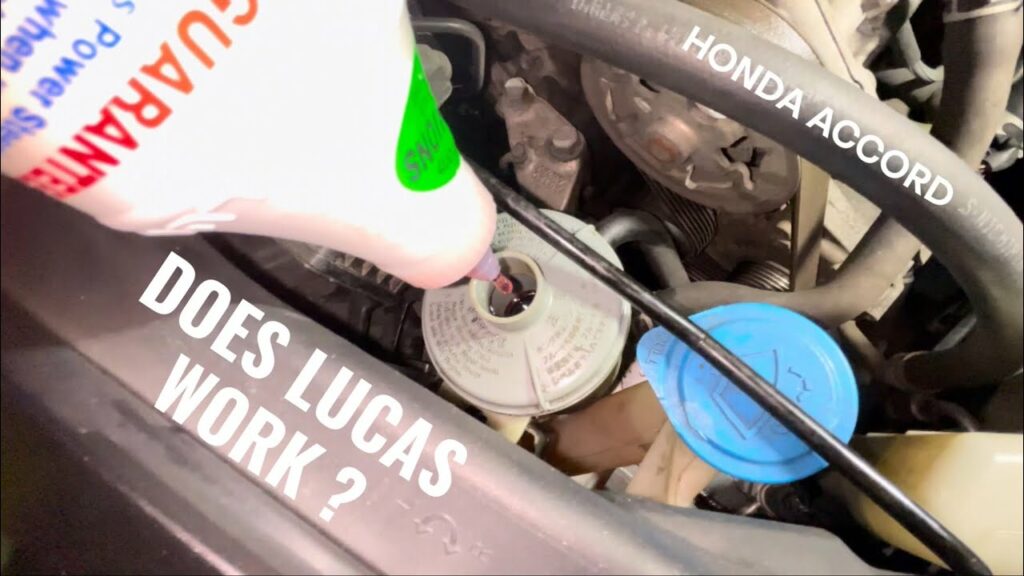
Power steering systems are an essential component in modern vehicles, enhancing driver comfort and control by allowing for effortless steering, especially when navigating tight corners or during low-speed maneuvers. However, like any mechanical system, power steering systems can develop leaks. A common solution that many drivers consider is the use of leak stop additives. This article delves into the efficacy of these products, exploring whether they genuinely work or if they risk causing more harm than good.
As power steering fluid ages or if the fittings and hoses begin to degrade, leaks can become an inevitable affliction. A minor leak may seem inconsequential at first. Still, it can lead to diminished steering performance, increased wear on components, and, ultimately, substantial repair bills if left unaddressed. With the prospect of costly repairs looming, many car owners find themselves drawn to the allure of power steering leak stop products. But do these additives deliver on their promises, or are they merely a temporary fix?
To understand how leak stop products function, it is essential to comprehend the underlying causes of power steering leaks. The primary source of leaks often stems from the rubber seals and gaskets that can shrivel and crack due to prolonged exposure to heat, fluid contaminants, and the natural wear and tear of regular use. In this respect, leak stop additives generally contain sealing agents that aim to swell these rubber components, thereby reducing or even eliminating leaks.
One of the compelling factors that draw consumers towards these products is the promise of a quick fix. In our fast-paced world, many drivers are reluctant to spend time or money on standard repairs. The convenience of being able to pour in a leak stop additive and drive away with minimal disruption is tempting. However, this convenience raises further questions related to the product’s long-term efficacy and potential drawbacks.
Critics of power steering leak stop products often highlight the risk of creating secondary issues. One significant concern is that while these additives might temporarily address a leak, they can also create obstructions within the steering system. Seal swelling agents may inadvertently clog filters or even contribute to the accumulation of sludge in other parts of the system. This could lead to erratic steering responses or exacerbate existing issues, resulting in an even greater need for repairs.
Furthermore, the effectiveness of these additives is often debated within the mechanical community. Some users report successful outcomes, citing reduced leakage and improved steering response after treatment. Conversely, others have experienced disappointment, asserting that the leak symptoms persist despite the application of the product. This divergent array of experiences can often be attributed to the specific circumstances of the leak. For example, minor leaks may be more responsive to treatment than significant ones, which may require replacement of the affected components.
Moreover, even if a leak stop product seems effective in the short term, it does not address the root cause of the problem. Rubber seals that have degraded beyond repair will not regenerate solely through additives. Ignoring regular maintenance and the health of these components can lead to more severe system failures down the road. Taking a proactive approach—by routinely checking fluid levels and monitoring for signs of wear—can yield a far better outcome in the longevity of the power steering system.
Another relevant consideration is how the type of fluid in your system might interact with the leak stop additive. Power steering fluids vary in composition, with some being mineral-based and others synthetic. This variation can influence the effectiveness of the additive and its compatibility with the existing fluid and components. Therefore, understanding your system’s fluid amalgamation is crucial before introducing any external products.
Alternatives to these additives also abound. Traditional repair methods—such as replacing worn hoses, gaskets, or seals—offer a more comprehensive solution. While they may require more time and monetary investment, these options ensure that the fundamental integrity of your power steering system remains intact. For many, the peace of mind that accompanies a correct and enduring solution far outweighs the fleeting convenience of a liquid sealant.
Yet, the fascination with leak stop products continues unabated. As consumers, there exists an innate yearning for quick fixes, influenced in part by marketing strategies that tout miraculous results. The allure of a less labor-intensive resolution to mechanical woes speaks to our broader desire for ease and efficiency in an increasingly complex world. That said, car owners must remain vigilant, seeking to balance the allure of expedience with the imperatives of proper vehicle maintenance.
In conclusion, the question of whether leak stop for power steering systems truly works or causes damage is not entirely straightforward. While these products do hold the potential to alleviate minor leaks and may seem like an attractive immediate solution, they can lead to unintended complications and failed repairs if not approached with caution. Those confronted with minor power steering leaks would do well to weigh the immediate benefits against long-term implications, ensuring that their vehicle remains safe and operational for the long haul. Ultimately, prudently assessing both the nature of the leak and the long-term health of the power steering system can guide owners to the most effective and reliable resolution for their automotive dilemmas.
FAQ
Do leak stop products for power steering really work?
Leak stop products can offer temporary relief for minor leaks, but their long-term effectiveness is debated, and they may cause additional issues.
What are the risks of using leak stop products?
Using leak stop products can potentially lead to clogging of filters and other components in the steering system, which may worsen existing issues.
What are the alternatives to leak stop additives?
Alternatives include traditional repair methods such as replacing worn hoses, gaskets, or seals, which ensure long-term integrity of the power steering system.



Leave a Reply