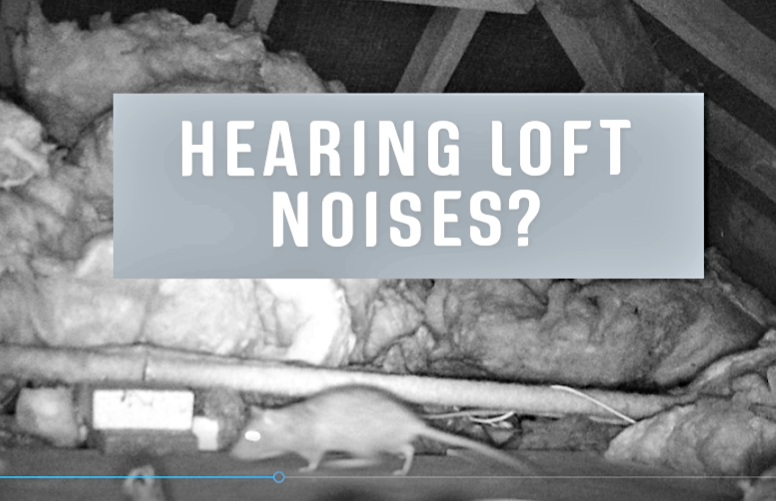
Short Answer
When silence envelops your home, an unsettling sound from the loft—a scrabble, a rustle, or perhaps a chattering—can pierce through the calm like an ominous whisper. Over time, the mere possibility of unwelcome guests, particularly rodents, lurking above can ignite an instinctive dread in homeowners. Not only do these creatures present a nuisance, but their presence can also signify underlying issues that merit serious attention. Recognising the signs of rats in the loft is crucial to safeguarding your sanctuary, and discerning the subtle indicators can prevent minor annoyances from escalating into significant infestations.
One of the most alarming noises associated with rats is a consistent scratching or scurrying sound in the rafters or ceiling. This is often indicative of rats establishing a territory or foraging for food. Rarely do these noises occur in isolation; they tend to emerge more vocally during the twilight hours when the human world is dimmed, and the rats feel emboldened to roam. Should you experience a chorus of scratching sounds, especially around dawn and dusk, it may warrant an immediate investigation. The sound of gnawing can also be a telltale sign, often echoing the artworks of an artist fervently crafting their masterstroke—albeit in a context far less desirable.
Another auditory indication comes in the form of squeaks or high-pitched chattering, particularly during nocturnal escapades. Rats communicate with each other through a range of vocalisations, creating a typified symphony of urban decay. If you hear what seems to be an incessant conversation between unseen beings, this likely signals the presence of a thriving rat population within your loft.
However, noises alone possess limited diagnostic capability; olfactory clues add another layer to this investigative tapestry. The pervasive, acrid odour of ammonia can herald the presence of rat urine. Their droppings, often dark and rod-like, can decompose within confined spaces, adding a musty scent to the air. This scent can become deeply embedded in insulation materials and wooden beams, leading to a potent mix of pungency that may resemble spoiled food. Identifying these scents within your loft space can be akin to unveiling a truth about your living conditions that you may have preferred to ignore.
In addition to auditory and olfactory signs, a closer examination of the loft is imperative. The first physical clue lies in the droppings. Rat excrement can manifest as small, encapsulated pellets, and the spacing and quantity can unveil the extent of the infestation. Fresh droppings are moist and dark; as they age, they dry out and lose their sheen. A rat’s diet tends to influence the colour of their droppings as well—ranging from dark, rich hues reflective of their plant-based diet to lighter shades when feeding on grains or meats. Identifying these droppings should ignite immediate action; leaving them to linger only exacerbates the problem.
Beyond faceless noises and pungent odours lies a realm of tangible evidence. Gnawed materials are often one of the most visible signs of rats in your loft. These insatiable creatures gnaw on almost anything to maintain their ever-growing teeth. Commonly affected materials include insulation, wood, and even electrical wiring—the latter of which can pose serious fire hazards. Outwardly tufts of insulation material may betray their presence, like breadcrumbs leading back to the source of concern. Furthermore, look for nests composed of shredded paper, cloth, or other soft materials, which rats meticulously gather to create their breeding grounds.
Entry points can also provide insight into the comings and goings of these rodent interlopers. Rats can squeeze through remarkably narrow gaps, as small as a quarter of an inch, so thorough inspection of all possible entry points is critical. Look for burrowing or scratching marks near the edges or corners of the loft. Signs of soil displaced around potential entry points can point towards their schemes of ingress. The presence of grease marks is another notorious indicator; as rats navigate their territory, they often leave behind smudged trails along surfaces they frequently traverse.
Furthermore, observing the dynamics of infestation can unveil a broader narrative—what’s driving these rodents into your loft in the first place? Common motives include food availability, shelter from predators, and warmth, particularly during the colder months. If your loft or attic space is cluttered or filled with food remnants, it becomes an irresistible haven. Maintaining cleanliness and ensuring that food is stored securely can go a long way in deterring these pests.
While this exploration into the signs of rat presence can induce disquiet, prompt actions are vital. Once their presence has been unequivocally established, engaging a pest control professional is often recommended. They can assess the situation with trained eyes, determining the best course of action for eradication and future prevention. Notably, understanding rats is not merely about banishing them from your loft but also about addressing the cusp of deeper ecological narratives and understanding our spaces. By monitoring the indicators like noises, smells, and physical signs, one must bear witness to the ongoing negotiations we engage in with wildlife even within the confines of our homes.
In conclusion, an acute awareness of the signs of rats in your loft can save you from unwanted turmoil. There exists a form of intimacy in our battles against these small, yet resilient creatures, reflective of broader themes of coexistence, control, and the heart’s innate desire for safety within scrolls of history. If you find yourself distinguishing these signs, now would be the opportune moment to act decisively—not merely for your comfort but in the eternal dance between nature and humankind.
FAQ
What are the most common signs of rats in the loft?
Common signs include scratching or scurrying noises, distinctive ammonia-like odors, rat droppings, gnawed materials, nests made from shredded items, and grease marks near entry points.
How can I safely investigate if I have rats in my loft?
Look for physical signs such as droppings and gnaw marks during daylight, avoid direct contact with droppings, and consider using a flashlight to inspect entry points. For safety and thoroughness, consulting a pest control professional is recommended.
Why is it important to address a rat infestation promptly?
Rats can cause structural damage by gnawing on wood and electrical wiring, spread diseases, and create unpleasant odors. Early intervention prevents escalation and reduces health and safety risks.
What attracts rats to lofts?
Rats are attracted to lofts due to the availability of food remnants, shelter from predators and weather, warmth especially in colder months, and clutter that provides nesting materials.



Leave a Reply