Short Answer
Tattoos have long been a medium of self-expression, an ink-stained canvas that tells a story, reflects one’s personality, or pays homage to cherished memories. Like a bespoke suit tailored to perfection, the cost of a tattoo isn’t merely a numeric figure; it embodies the artist’s skill, the intricacies of design, and the journey of the individual adorned with the art. Understanding how much a tattoo may cost requires a closer look into the variables at play: size, style, and the artist’s expertise.
Understanding the Foundation: Size Matters
The dimension of a tattoo is perhaps the most overt determinant of its price. Smaller tattoos, often referred to as “micro” or “mini” tattoos, typically range from £50 to £150. These petite art pieces can fit snugly on the wrist, collarbone, or ankle, allowing for an easily concealable yet poignant expression. Think of them as the delicate brushstrokes in a grand masterpiece—simple, yet integral to the whole.
Conversely, as one ascends to medium-sized tattoos—spanning the forearm, thigh, or upper back—the costs can escalate dramatically to anywhere between £200 and £500, depending on the complexity and detail of the design. Envision these as the verses in a poem, each line significant, contributing to a larger narrative.
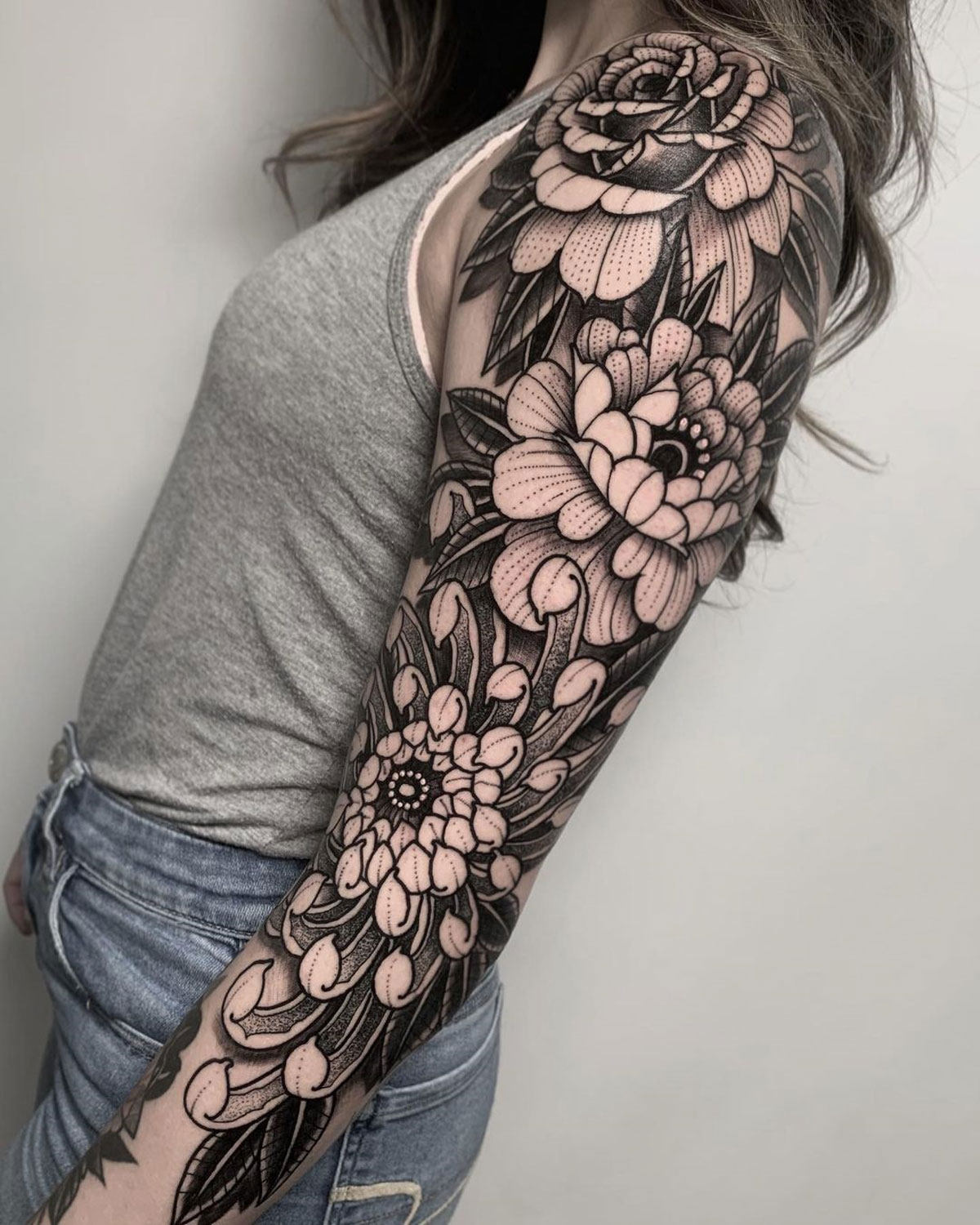
Finally, large-scale tattoos, which can envelop body parts like the back, chest, or sides, can demand anywhere from £500 to several thousands of pounds. These elaborate compositions require not only commitment from the wearer but also artistic ingenuity and time from the tattoo artist. Such pieces often serve as majestic murals, intricately woven to create a visual odyssey across the skin.
The Dance of Design: Tattoo Styles Explored
The world of tattoos is as varied as a painter’s palette, each style possessing its unique allure and charm. Traditional designs, often characterised by bold outlines and vibrant colours, encapsulate a timeless quality. These pieces can cost between £100 to £300, depending on size. They evoke nostalgia and pay homage to historical tattooing traditions, akin to classic literature that resonates through ages.
In contrast, contemporary styles like watercolour and abstract tattoos are gaining popularity, merging artistic flair with skin. These ephemeral designs, resembling fine art rather than traditional tattoos, can start at £200 and soar to £900, owing to their artistic complexity. Imagine the fluidity of a watercolour painting—the interplay between colour and form, an apt metaphor for the ever-evolving tattoo landscape.
Realistic tattoos, with their life-like depictions, could cost anywhere between £300 and £1,500. These intricate pieces are masterpieces honed through years of skill. Each shadow and highlight is meticulously crafted to breathe life into the ink, much like a sculptor chiselling stone into a breathtaking form. Portraits, in particular, require acute attention to detail, and the price reflects the labour of love behind crafting an enduring image.
The Artist’s Artistry: Expertise and Reputation
The artist’s skill set plays a pivotal role in the overall tattoo cost. Upcoming artists may offer lower rates, ranging from £50 to £100 for smaller designs. This is an opportunity for both the artist to build a portfolio and the wearer to embrace their art at a more accessible price. However, opting for an emerging talent may carry the risk of inconsistent quality.
Established artists with a renowned reputation command prices that reflect their experience—a testament to the hundreds of hours spent perfecting their craft. Prices for such artists typically start at £150 and can climb to over £2,000 for larger, more intricate designs. Engaging a seasoned artist is akin to commissioning a contemporary artist for a bespoke work; you are paying for their artistic vision, technical prowess, and unique approach to tattoo artistry.
Location, Material, and Techniques: Additional Factors
The geographical location of the tattoo studio profoundly influences the price. Urban centres, known for their higher living costs, generally showcase higher tattoo prices than rural locations. London and other major cities can demand a premium due to the concentration of talent and clientele. However, this urban landscape also provides a melting pot of artistic styles and cultural influences, enhancing the overall experience for the client.
Materials also come into play; high-quality pigments, sterile equipment, and the use of advanced techniques will invariably add to the cost. Studio hygiene standards are non-negotiable, much like craftsmanship in any art form. You don’t just invest in the ink—you’re investing in your health and the longevity of your art.
Conclusion: The Priceless Nature of Personal Tattoo Journeys
Ultimately, the cost of a tattoo extends far beyond the monetary value—it’s an investment in personal narrative and artistic freedom. Each design, location, and artist embodies a unique confluence of influences and inspirations. As one navigates through this vibrant landscape, the options may seem as varied as the stars scattered across a night sky. The choice between size, style, and artist is deeply personal, reflective of one’s journey, identity, and aspirations.
In the end, while the price may fluctuate with the intricacies of your chosen tattoo, the essence of what it represents—a tapestry of meaning stitched into the very fabric of your being—remains priceless. Embrace the vivid world of ink; it’s not just about what you pay but about what your tattoo will signify throughout your lifetime—a mural of memories, emotions, and, above all, identity.
FAQ
How much does a tattoo cost on average?
Tattoo prices vary widely, usually starting around £50 for small designs and going up to several thousands for large, intricate tattoos.
What tattoo styles are the most expensive?
Realistic and complex artistic styles like watercolour or portraits tend to be more expensive due to the skill and time required.
Does the tattoo artist's experience affect price?
Yes, more experienced and reputable artists generally charge higher prices reflecting their expertise and demand.
Why do tattoo prices vary by location?
Urban areas often have higher prices due to higher living costs and demand, whereas rural areas may be less expensive.
Are materials and hygiene standards a factor in tattoo pricing?
Yes, using high-quality pigments and maintaining strict hygiene standards increases costs but ensures safety and quality.
Leave a Reply