Short Answer
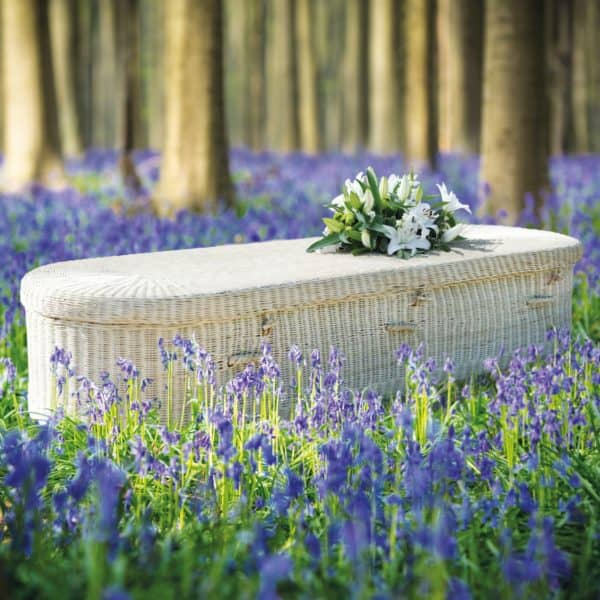
As society shifts towards more environmentally friendly practices, the choice of a coffin is one that is increasingly being scrutinised. Wicker coffins, made from natural materials, are rapidly gaining popularity for those seeking a sustainable alternative for burial. This article delves into how wicker coffins are sealed, the materials used in their construction, and eco-facts that may change your perspective on end-of-life arrangements.
Wicker coffins are typically crafted from various natural materials, including willow, bamboo, and seagrass. These materials not only lend an organic aesthetic but also contribute to a reduced ecological footprint. Willow, for example, is a fast-growing tree that can be cultivated sustainably, allowing for a renewable source of raw material. Each option possesses unique characteristics, which influence not only the aesthetic but also the way in which these coffins are prepared and sealed.
Sealing a wicker coffin is a crucial step that ensures the integrity of its structure while safeguarding the contents within. Unlike traditional coffins that might utilise metal or synthetic components for sealing, wicker coffins often rely on more natural methods. The closure mechanism generally involves woven, interlocking components that provide stability without compromising the coffin’s eco-friendly ethos.
One common technique for sealing wicker coffins is the use of natural or organic adhesives. These adhesives are often derived from plant materials and designed to be biodegradable. By employing these choices, manufacturers ensure that the coffin remains both functional and environmentally sound. This reflects a commitment to sustainability, alleviating concerns about harmful substances leaching into the soil over time.
An alternative sealing method can involve the use of natural rope or twine, which adds to the organic aesthetic. This approach not only enhances the visual appeal of the coffin but also reinforces the structure in a manner that complements its overall design. When combined with intricate wicker weaving, these organic materials work synergistically to create a sense of unity between appearance and purpose.
In addition to the sealing methods, the type of material ultimately plays a pivotal role in the safety and effectiveness of wicker coffins. Bamboo, for instance, is notable for its exceptional strength and flexibility. Its inherent properties allow for durable constructions that can withstand the natural elements of burial without compromising on comfort. This durability means that the coffin can remain intact while simultaneously decomposing naturally over time, thereby enriching the earth rather than detracting from it.
Safety is an undeniable consideration when discussing the use of wicker coffins. The materials employed must adhere to specific regulations and standards to guarantee that they are safe for both the deceased and the environment. Weaving technologies have advanced significantly, ensuring that stress points are carefully considered, and that the overall design is robust enough for its intended purpose.
Moreover, the ecological consciousness surrounding wicker coffins speaks volumes. The production of these coffins generates significantly fewer carbon emissions compared to their more traditional counterparts, such as those made from hardwood or metal. This reduction can be attributed to both the sustainable harvesting of materials and the lack of energy-intensive manufacturing processes typically associated with conventional coffins.
Some may wonder about the potential implications of burial practices on the environment. Concerns regarding the hazards of chemicals from embalming fluids or synthetic materials used in traditional coffins are valid. Wicker coffins, conversely, provide a viable alternative that facilita{“tes a more harmonious return to nature. The decomposition process is accelerated due to the porous nature of the materials, leading to a minimal ecological impact while nurturing the soil as it breaks down.
Additionally, a pivotal aspect of wicker coffins is their aesthetic versatility. They can be personalised with various natural embellishments such as flowers, leaves, or painted designs using eco-friendly dyes. This customisation not only enhances the visual appeal but also grants families the opportunity to reflect individuality and honour a departed loved one’s personality.
In the larger context of sustainable burial practices, it’s essential to consider the broader implications of choosing a wicker coffin. Beyond the immediate environmental benefits, opting for biodegradable materials can inspire an eco-conscious approach to life and death that resonates through familial generations. As conversations surrounding sustainability grow, the choices made today can lead towards a more profound change in societal values and practices regarding end-of-life planning.
As we embrace these dialogues, it becomes evident that wicker coffins are emblematic of a growing trend towards ecological awareness and respect for the cycle of life. Their construction and sealing methods reflect an intentional shift away from traditional norms, leading us towards a more thoughtful approach to death and the impact it leaves behind.
In conclusion, the examination of how wicker coffins are sealed, the materials involved, and the eco-benefits associated with them reveals a complex narrative that goes beyond mere aesthetics. This choice in burial options not only promises a shift in perspective for individuals and families but also serves as a milestone towards a more sustainable future. As we collectively reconsider our practices and beliefs regarding death, wicker coffins present a compelling alternative, piquing curiosity and inviting reflection on our relationship with the environment.
FAQ
What materials are used in wicker coffins?
Wicker coffins are typically made from natural materials such as willow, bamboo, and seagrass.
How are wicker coffins sealed?
Wicker coffins are sealed using natural methods, often involving organic adhesives or natural rope and twine.
What are the environmental benefits of choosing a wicker coffin?
Wicker coffins generate fewer carbon emissions and decompose naturally, enriching the soil rather than harming it.
FAQ
What materials are used in wicker coffins?
Wicker coffins are typically made from natural materials such as willow, bamboo, and seagrass.
How are wicker coffins sealed?
Wicker coffins are sealed using natural methods, often involving organic adhesives or natural rope and twine.
What are the environmental benefits of choosing a wicker coffin?
Wicker coffins generate fewer carbon emissions and decompose naturally, enriching the soil rather than harming it.
FAQ
What materials are wicker coffins made from?
Wicker coffins are typically made from natural materials like willow, bamboo, and seagrass.
How are wicker coffins sealed?
Wicker coffins are often sealed using natural adhesives or organic materials like rope, ensuring eco-friendliness.
What are the ecological benefits of using wicker coffins?
Wicker coffins generate fewer carbon emissions and decompose naturally, enriching the soil.
FAQ
What materials are used in wicker coffins?
Wicker coffins are typically made from natural materials like willow, bamboo, and seagrass.
How are wicker coffins sealed?
Wicker coffins are sealed using natural methods, such as organic adhesives or natural rope, ensuring eco-friendliness.
What are the environmental benefits of wicker coffins?
Wicker coffins generate fewer carbon emissions and decompose naturally, enriching the soil.
FAQ
What materials are used in wicker coffins?
Wicker coffins are typically made from natural materials such as willow, bamboo, and seagrass.
How are wicker coffins sealed?
Wicker coffins are sealed using natural methods, often involving organic adhesives or natural rope.
What are the ecological benefits of wicker coffins?
Wicker coffins produce fewer carbon emissions and decompose naturally, enriching the soil.
Can wicker coffins be personalized?
Yes, wicker coffins can be personalized with natural embellishments like flowers and eco-friendly dyes.
FAQ
What materials are wicker coffins made from?
Wicker coffins are typically made from natural materials such as willow, bamboo, and seagrass.
How are wicker coffins sealed?
Wicker coffins are sealed using natural methods, including organic adhesives or natural ropes, ensuring they remain eco-friendly.
Are wicker coffins safe for the environment?
Yes, wicker coffins are designed to be biodegradable and generate fewer carbon emissions compared to traditional coffins.
Leave a Reply