Short Answer
Ingrown toenails are akin to a ship lost at sea, veering off its intended course. Rather than sailing smoothly across the vast expanse of the ocean, the nail curls into the soft flesh of the toe, causing distress and discomfort. This phenomenon can be painful and perplexing, but the question looms large: will an ingrown toenail eventually grow out? In this exploration, we delve into the nature of ingrown toenails, treating options, and the eventual fates of these wayward nails.
To appreciate the journey of an ingrown toenail, one must first understand its genesis. An ingrown toenail occurs when the corner or side of a toenail digs into the surrounding skin, leading to inflammation, redness, and that sometimes unbearable throbbing. The root causes can be as varied as improper nail trimming techniques, ill-fitting footwear, or simply genetics—a predisposition to this troublesome ailment. Just like a multi-layered cake, each slice revealing a different flavour, the myriad influences contributing to the formation of an ingrown toenail can be intricate and complex.
Now, let us ponder the question: Will it eventually grow out? Like a stubborn seed planted in rocky soil, an ingrown toenail can find its pathway to healing, though not without intervention. In mild cases, the nail may extricate itself over time as the tissue grows and the pressure alleviates. However, this is not the most dependable outcome. A solitary ingrown toenail may navigate back to health, yet multiple instances or chronic conditions can lead to a cascade of complications, akin to a domino effect in a tempestuous storm.
For those in the throes of discomfort, it is vital to embrace a range of treatment options, designed to ease the affliction and restore harmony to the toe’s environment. Treatments range from conservative home remedies to more invasive professional procedures. The essence lies in discerning which approach is most suitable, contingent upon the severity of the condition.
First and foremost, one may opt for conservative home treatment. This typically entails soaking the affected foot in warm, soapy water for about 15-20 minutes, several times a day. This simple act works to soften the skin surrounding the nail and can facilitate gentle separation from the ingrown edge. Following the soak, the application of an antibacterial ointment and placing a small piece of cotton or dental floss beneath the nail may help guide it outwards, much like a gentle nudge to steer the ship back on course. However, meticulous hygiene is paramount—allowing dirt or bacteria to contribute to an infection would be akin to throwing fuel on a fire.
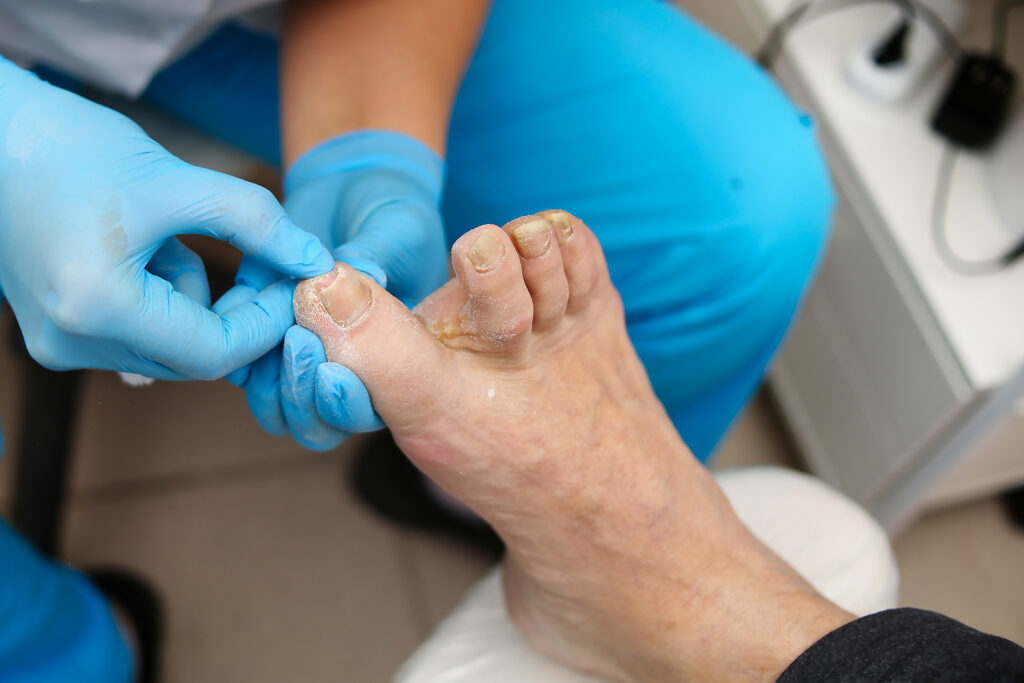
If discomfort persists or if the nail has begun to exhibit signs of infection—manifesting as increased redness, warmth, or pus—a visit to a healthcare professional is prudent. This is where the metaphor of a skilled captain comes into play; just as a captain navigates turbulent waters, a podiatrist possesses the expertise to safely chart a course through the complexities of toenail issues. A common intervention might include a partial nail avulsion, where the problematic section of the nail is excised, allowing for both relief and a chance for proper regrowth.
In more severe instances, or with recurrent ingrown toenails, a podiatrist might recommend a more definitive solution by performing a matrixectomy. This entails the removal of the nail matrix, the source from which the nail grows, significantly reducing the likelihood of reoccurrence. It is a decisive action, echoing the certainty of cutting the proverbial knot that binds a ship to a mooring, thus allowing for greater freedom of motion in the future.
Additionally, regardless of the treatment undertaken, prevention takes centre stage in this saga. Opting for properly fitted footwear—shoes that provide ample room for the toes to breathe—acts as a vital safety net against the development of ingrown toenails. Regular nail care is equally crucial; trimming the nails straight across, rather than at the corners, can prevent the nail from growing into the skin, steering one clear of the rocky shores of pain and infection.
As we voyage towards the conclusion of this exploration, it becomes clear that while there is a possibility for an ingrown toenail to grow out unaided, it is not a guarantee. The journey is steeped in nuances, much like a river that twists and turns amidst the landscape. Seeking early treatment can dramatically alter the course of recovery, fostering not only the health of the toe but also peace of mind. By fostering a deeper understanding and appreciation for the intricacies of nail care, one can voyage towards a future unmarred by the disturbances of ingrown toenails.
In sum, the odyssey of an ingrown toenail encompasses various potentials, with the possibility of eventual growth out underscored by the importance of intervention and preventative measures. Like the resilient vine that seeks the sun, with the right care and attention, an ingrown toenail can emerge from its turmoil and continue its journey towards thriving health.
FAQ
What is an ingrown toenail?
An ingrown toenail occurs when the corner or side of a toenail digs into the surrounding skin, causing pain, inflammation, and potential infection.
Can an ingrown toenail grow out on its own?
In mild cases, an ingrown toenail may resolve on its own, but this is not guaranteed, and treatment is often recommended.
What are the treatment options for an ingrown toenail?
Treatment options range from home remedies, such as soaking the foot and using cotton, to professional procedures like partial nail avulsion or matrixectomy.
FAQ
What causes an ingrown toenail?
An ingrown toenail occurs when the corner or side of a toenail digs into the surrounding skin, often due to improper nail trimming, ill-fitting footwear, or genetic predisposition.
Can an ingrown toenail heal on its own?
In mild cases, an ingrown toenail may grow out on its own, but this is not guaranteed and often requires treatment.
What are the treatment options for ingrown toenails?
Treatment options range from home remedies like soaking and applying ointments to professional procedures like partial nail avulsion or matrixectomy.
FAQ
What causes an ingrown toenail?
An ingrown toenail occurs when the corner or side of a toenail digs into the surrounding skin, often due to improper nail trimming, ill-fitting footwear, or genetic predisposition.
Can an ingrown toenail heal on its own?
In mild cases, an ingrown toenail may grow out on its own, but this is not guaranteed and often requires treatment.
What are the treatment options for ingrown toenails?
Treatment options range from home remedies like soaking and applying ointments to professional procedures like partial nail avulsion or matrixectomy.


Leave a Reply