Short Answer
As summer approaches, many individuals gravitate towards sunbeds in pursuit of that coveted sun-kissed glow. However, the question of safety looms large: How many sunbeds a week is safe? This article delves into the intricacies of tanning, elucidating the risks involved, and providing guidance on responsible tanning practices.
Understanding the allure of sunbeds begins with the psychology of tanning. The desire to bask in a bronzed appearance is often fuelled by societal standards of beauty and the joy of presenting oneself confidently. However, the convenience of artificial tanning comes with significant health considerations. Let’s examine the potential dangers associated with sunbed usage, the scientific evidence underpinning these risks, and tips for mitigating harm.
The Risks of Sunbed Tanning
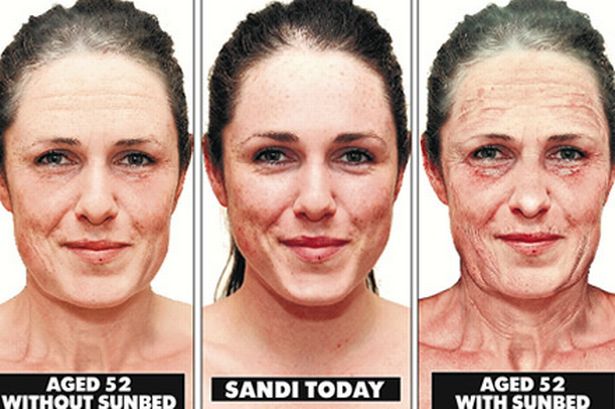
Before exploring how many sessions might be deemed safe, it is crucial to comprehend the inherent risks of sunbed tanning. Primarily, sunbeds emit ultraviolet (UV) radiation, which encompasses both UVA and UVB rays. While UVA rays penetrate the skin more profoundly and are primarily responsible for skin ageing, UVB rays are chiefly accountable for sunburn. Both types of radiation contribute to skin damage, increasing the risk of skin cancer.

In fact, research indicates that using sunbeds before the age of 35 can increase the risk of melanoma—the deadliest form of skin cancer—by a staggering 59%. Furthermore, frequent sunbed users may experience premature skin ageing, including the formation of wrinkles and loss of skin elasticity. These risks highlight the urgent need for awareness and caution among users.
Understanding Tanning Guidelines
With the risks clearly outlined, one might wonder: How often is too often? The answer, understandably, varies based on individual skin types, tanning history, and personal health conditions. A key guideline comes from dermatological experts, who generally recommend limiting sunbed sessions to no more than once a week. This conservative approach allows for the skin to recover and reduces the cumulative damage induced by UV exposure.
Individuals with fair skin, those with a history of skin cancer in their family, or persons with previous instances of sunburn should exhibit even greater caution. For such individuals, the consensus is to avoid sunbeds entirely, opting instead for safer alternatives like self-tanning lotions or spray tans. These products bestow a radiant look without the accompanying risks of UV damage.
The Role of Skin Type in Tanning
Skin type plays an instrumental role in determining safe tanning practices. Dermatologists have categorised skin types into six categories, ranging from Type I (very fair skin that burns easily) to Type VI (deeply pigmented skin that rarely burns). Those with Type I skin may need to avoid sunbeds altogether, as their skin is particularly susceptible to burns and long-term damage.
Conversely, individuals with Type III or IV skin may tolerate sunbed exposure slightly better; however, caution should still be exercised. A personal assessment involving factors such as skin reaction to the sun and personal tanning goals can aid in determining a safe tanning frequency. Regularly monitoring the skin for any changes or irregularities is paramount. Educating oneself about the Fitzpatrick skin classification can empower users to make informed decisions regarding their tanning routines.
Perception versus Reality: Myths and Misconceptions
Amidst the pangs of the tanning industry, various myths and misconceptions thrive, perpetuating dangerous habits. One prevalent myth asserts that tanning is safe if the skin does not burn. This assertion is fundamentally flawed, as even tanning without visible burns entails cellular damage due to UV exposure, increasing skin cancer risk. Furthermore, some believe that tanning beds are a safe method for “prepping” the skin for sun exposure during vacations; however, this belief is misleading and can result in aggravated skin damage.
Let’s dispel another myth regarding “tanning safely.” The notion that a UV-tanning session can substitute for the natural vitamin D synthesis that occurs through sun exposure is another misconception. Although sunbeds do facilitate vitamin D production, this must be balanced against the myriad risks posed by their use. Consulting a healthcare provider regarding vitamin D levels and supplementation is preferable to resorting to artificial tanning.
Conclusion: Embracing Safe Tanning Practices
As the sunbed craze continues, it is essential to approach tanning with a balanced and informed mindset. While the allure of a bronzed complexion is potent, the risks associated with UV exposure cannot be overstated. Tanning responsibly means adhering to recommended guidelines, accepting one’s natural skin tone, and exploring safer alternatives. The path to an enviable tan may require contemplation, but the long-term health of the skin is unequivocally worth the effort.
In summary, limiting sunbed use to once a week is advisable for many skin types, yet this recommendation varies based on individual circumstances. Always remain vigilant when it comes to skin health—remember that glowing skin is beautiful, but healthy skin is invaluable. Embrace safety, choose wisely, and foster a lifestyle that prioritises both beauty and well-being.
FAQ
What are the risks of using sunbeds?
Sunbeds emit UV radiation that can lead to skin damage, premature aging, and an increased risk of skin cancer.
How often can I safely use a sunbed?
It is generally recommended to limit sunbed sessions to no more than once a week, depending on individual skin types.
Are there safer alternatives to sunbeds?
Yes, alternatives include self-tanning lotions and spray tans, which do not involve UV exposure.



Leave a Reply