Short Answer
When it comes to dental hygiene, one frequently asked question that lingers in the minds of patients is: “Does Scale and Polish Hurt?” It’s a valid concern, especially for those who may not have an extensive history of dental treatments. As you prepare for your next dental appointment, it is important to understand what to expect during the scale and polish procedure, along with its potential discomforts and benefits.
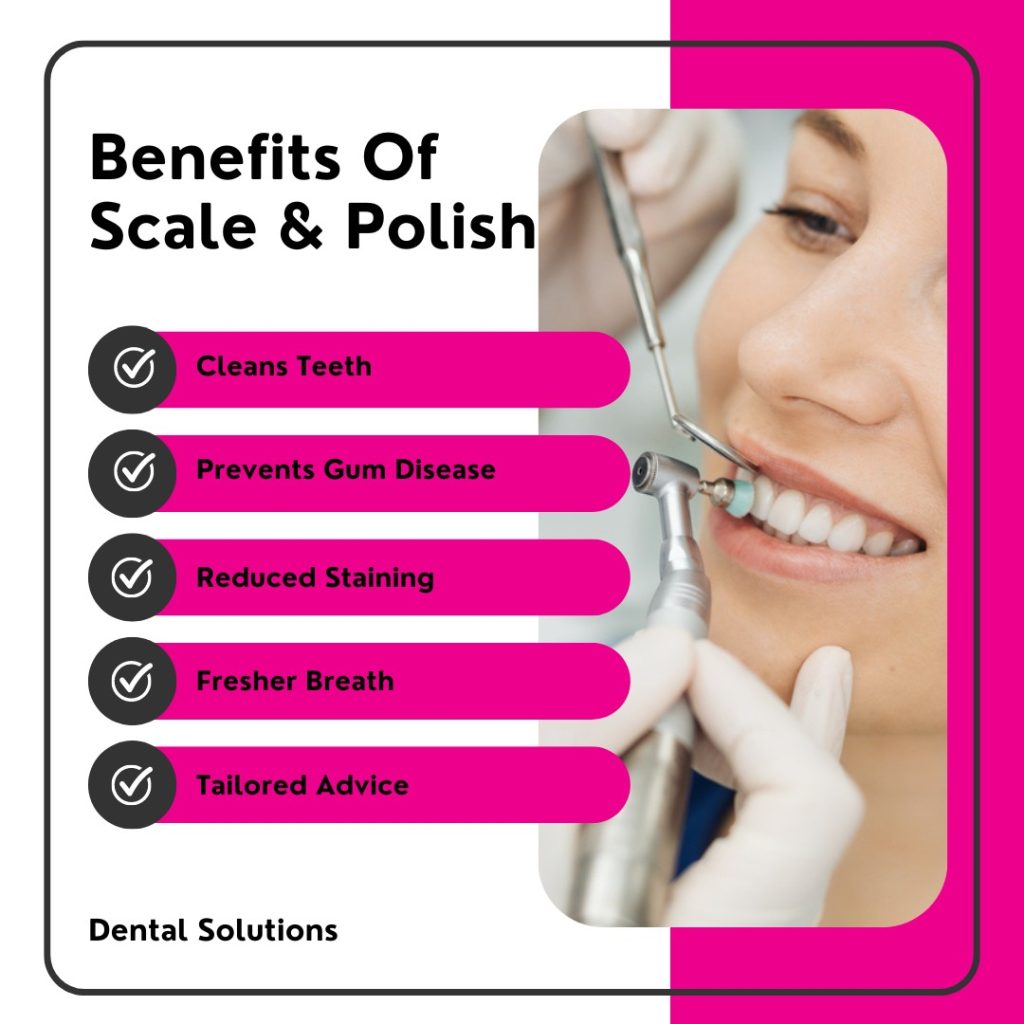
Firstly, let’s delve into what scaling and polishing entail. Scaling is a process performed by dental professionals to remove plaque and tartar—the hardened form of plaque—from the surface of the teeth. This is a critical step in preventing gum disease and maintaining oral health. Polish, on the other hand, is the subsequent step that involves buffing the teeth to remove any surface stains and impart a smooth finish. This duo helps in achieving a bright, clean smile.
Now, before you fret about possible pain during this procedure, it’s important to acknowledge a crucial element: individual pain tolerance. While one person might describe a scale and polish as a mere tickle, another might perceive it as discomforting. So, how can one navigate this uncertainty? By having a clear understanding of the procedure and its associated sensations.
To begin with, scaling typically employs ultrasonic instruments that vibrate at high frequencies to dislodge plaque. This method has garnered popularity due to its efficacy and speed. Naturally, the vibrations might transmit a sensation of pressure against the teeth, but it is often not synonymous with pain. For some, the sound alone may evoke anxiety, akin to the dreaded sound of a dentist’s drill. However, rest assured—modern dental practices are mindful of patient discomfort and employ various techniques to alleviate any potential distress.
When it comes to polishing, the experience tends to be significantly more agreeable. Dental professionals use a soft rubber cup and a gritty toothpaste-like substance called prophylaxis paste. While the process may create a bit of a mess—think a frosty blue or minty green paste—many patients find it oddly satisfying. The sensation is usually described as gentle and is often accompanied by a lingering freshness that makes the extra effort worthwhile.
However, not all scaling and polishing experiences are devoid of discomfort. For patients with sensitive teeth or gums, the procedure may provoke a transient ache or tingling. Thus, it’s advisable to communicate any concerns or history of dental sensitivity with your dentist prior to the appointment. Dentists can adapt their approach based on your specific needs; for instance, using desensitising agents or exploring gentler techniques may be options worth discussing.
An often-overlooked aspect of scaling and polishing is the importance of its frequency. Many dental professionals recommend undergoing this treatment every six months, aligning with routine check-ups. This frequency not only supports optimal dental health but also minimises the amount of tartar that builds up between visits, thus reducing any associated discomfort during the procedure. Think of it as a maintenance routine for your oral health—similar to regular oil changes for a car.
Aside from physical sensations, one must also mentally prepare for the visit. Some individuals report experiencing anxiety when they step into a dental clinic, a phenomenon known as dental anxiety. This could stem from a range of factors, from previous negative experiences to the intimidating environment of clinical settings. To combat this, many dental practices offer an inviting atmosphere replete with reassuring staff and soothing music. Consider initiating a conversation with your dentist or hygienist about your apprehensions; their support can often significantly mitigate your worry.
Another component often discussed in the realm of dental hygiene is the aftercare following a scale and polish. Post-procedure, patients might experience some tenderness in the gums or heightened sensitivity to hot and cold. This is typically temporary and should subside within a few days. Maintaining diligent oral hygiene habits at home, including brushing twice daily and regular flossing, will aid in the longevity of the effects of your treatment and reduce the risk of discomfort in future sessions.
Moreover, a common query that patients have is whether scaling and polishing is strictly necessary. While scaling can indeed be essential for those with substantial plaque build-up, polishing might not hold the same level of necessity. The procedure, while beneficial for aesthetics, is primarily aimed at enhancing cleaning and removing superficial stains. Ultimately, the decision lies with the dental professional’s judgment and your oral health status.
In summation, while it’s entirely reasonable to ask, “Does Scale and Polish Hurt?” the answer tends to vary among individuals. By understanding the nature of the procedure and communicating openly with your dental practitioner, you can transform anxiety into assurance. Armed with this knowledge, embrace your upcoming dental visit with confidence, knowing that you are taking an important step towards a healthier smile. Remember, your dental health is not just about avoiding discomfort; it’s about celebrating and nurturing the fantastic asset that is your smile.
FAQ
Does scale and polish hurt?
Most patients experience little to no pain, though some may feel mild discomfort if they have sensitive teeth or gums.
How often should I have a scale and polish?
It is commonly recommended every six months, aligning with routine dental check-ups.
What happens during the procedure?
Plaque and tartar are removed using an ultrasonic scaler, followed by polishing with a rubber cup and special paste to smooth the teeth.
Is polishing necessary every time?
Polishing is mainly for aesthetics and removing surface stains; dentists may decide based on individual oral health.
What should I do after the procedure?
Maintain good oral hygiene, and expect possible temporary gum tenderness or sensitivity.



Leave a Reply