Short Answer
The journey of dental bone grafting is undeniably intricate, yet it reflects the remarkable capacity of both science and nature to facilitate healing. Understanding the various stages of recovery is essential for anyone embarking on this restorative dental adventure, especially since the healing timeline can significantly influence both the outcome of the procedure and the overall well-being of the patient.
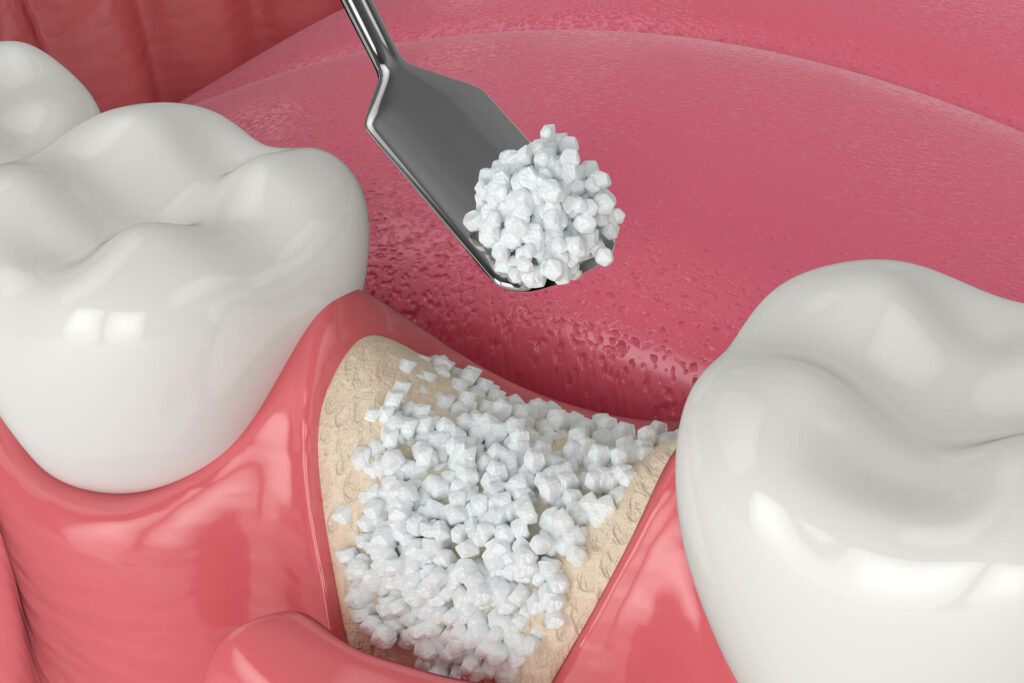
Dental bone grafting is typically employed to augment the quantity and quality of bone in the jaw, especially before dental implants or other prosthetic procedures. The primary sentiment surrounding this procedure often oscillates between apprehension and a profound curiosity about the healing process. As patients embark on this transformative journey, they often ponder the intricacies involved in the body’s response to grafting materials and the subsequent stages of recovery.
In essence, the recovery timeline can be broken down into several distinct stages, each marked by unique physiological occurrences and varying symptoms. Understanding these phases not only assuages anxiety but also elucidates the complex interplay between biological processes and the body’s innate healing mechanisms.
1. Initial Healing Phase (Days 1-7)
The first week following the grafting procedure is critical. This initial healing phase is characterised by inflammation, which is the body’s immediate response to trauma. Patients may experience swelling, tenderness, and mild discomfort around the graft site. This is entirely normal and pivotal for the healing process. During this stage, blood clots form at the graft site, which serves as a protective layer and the foundation for new tissue development.
In nature, blood clots are akin to a first line of defence, safeguarding the body against pathogens while also providing the scaffolding necessary for regenerative activity. It’s also vital to adhere to post-operative instructions meticulously during this period, as improper care could jeopardise the healing process. Soft foods are recommended to minimise irritation, and maintaining good oral hygiene is crucial, albeit gently around the affected area.
2. Early Bone Formation Phase (Weeks 2-4)
As the second week approaches, the body enters the stage of early bone formation, also known as osteogenesis. This phase involves the deposition of new bone cells, known as osteoblasts, which begin to replace the initial provisional matrix. During this period, patients might notice a gradual reduction in swelling and discomfort. However, it’s not uncommon for some mild soreness to persist as the bone begins to heal.
The transition from a soft tissue repair to a more rigid structure is fascinating and indicative of the body’s remarkable adaptability. It is akin to watching an artist sculpt a masterpiece; layer upon layer of cells intertwine to form a robust framework. Proper nutrition, particularly with an emphasis on calcium and vitamin D, can greatly aid this transformation, facilitating the deposition of new bone material.
3. Bone Maturation Phase (Weeks 5-8)
By the fifth week, the grafted bone begins a crucial transformation known as mineralisation, where the newly formed bone starts to harden and integrate with the surrounding jawbone. This maturation phase can extend up to eight weeks, and it represents a turning point where the graft starts establishing its permanence. Patients may feel an overall sense of improvement at this stage, but they should still exercise caution, as the area remains fragile.
It is during this period that the most significant cellular activity occurs. The previously formed osteoblasts give way to osteocytes, the mature bone cells that will maintain the bone structure long term. Understanding this biological shift can illuminate the depth of our fascination with bone grafting; it exemplifies not just the resilience of life but also the ability of modern dentistry to harness these natural processes to restore form and function.
4. Final Integration and Remodelling Phase (Months 3-6)
After the eight-week mark, the recovery process transitions into a phase of final integration and remodelling, which could last several months. By now, the grafted bone is well integrated with the surrounding jawbone, bringing about increased stability and density. However, patients should remain vigilant, as this phase requires ongoing monitoring and care.
During the remodelling phase, the body continues to adapt and refine the bone structure. This dynamic process is crucial for ensuring long-term success, as the bone gradually adjusts to the stresses placed upon it – a dance of renewal that highlights the orchestrated efforts of myriad cellular activities. This adaptability often raises a question about the human body’s capacity to heal: how can we, as individuals, support and optimise such a complex procedure?
5. Post-Recovery Considerations (Months 6 and Beyond)
Once the complete healing process is achieved, typically around six months post-surgery, patients may feel a sense of triumph. However, periodic check-ups with dental professionals remain essential. Long-term care and maintenance play pivotal roles in sustaining the health of the graft, and understanding potential risks encourages proactive measures that align with overall oral health.
The narrative of dental bone grafting is more than just a medical procedure; it embodies the transformative journey of healing and recovery. Each stage within this continuum is fraught with remarkable biological phenomena that mesmerise those who delve into the depths of human physiology. This intricate process serves as a testament to resilience and adaptability, encouraging us to appreciate our bodies’ capabilities while fostering the curiosity that drives advancements in dental science.
FAQ
What are the typical stages of healing after a dental bone graft?
Healing typically progresses through initial inflammation and clot formation (days 1-7), early bone formation (weeks 2-4), bone maturation (weeks 5-8), final integration and remodeling (months 3-6), followed by post-recovery maintenance beyond six months.
How long does it take for a dental bone graft to fully heal?
Full healing and integration of a dental bone graft can take approximately 3 to 6 months, with ongoing monitoring and care recommended thereafter.
What post-operative care is important after a dental bone graft?
Patients should follow soft food diets, maintain gentle oral hygiene around the graft site, avoid irritation, and attend regular dental check-ups to ensure proper healing.
Can nutrition impact the healing of a dental bone graft?
Yes, proper nutrition, especially adequate intake of calcium and vitamin D, supports new bone formation and enhances the healing process.



Leave a Reply