Short Answer
When contemplating orthodontic options, many people find themselves pondering whether Invisalign is indeed worth the investment. This modern approach to teeth straightening captivates the attention of teens and adults alike, thanks to its promise of a discreet journey toward a dazzling smile. But, amid the appealing marketing and testimonials, one has to wonder—are the results, costs, and the complete spectrum of pros and cons really worth it? Let’s dive into the nitty-gritty of if Invisalign can deliver on its promises, and whether it’s the right fit for your dental dreams.
First, one of the most enticing elements of Invisalign is its unassuming appearance. Unlike traditional metal braces that often result in an ostentatious gleam, clear aligners are virtually invisible. This aesthetic advantage can prove especially salient for adults in professional settings or for teens nervous about their social image. However, does this barely-there look translate effectively to clinical outcomes? It’s a question worth scrutinising.
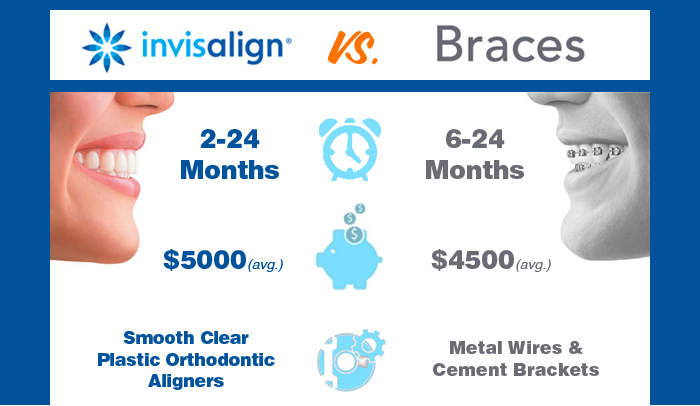
Invisalign works through a series of custom-made aligners that gradually reposition your teeth. Each set is designed to be worn for about two weeks before switching to the next. It’s a dynamic process that is meticulously planned with 3D imaging technology, allowing for precise adjustments. While the initial investment can be daunting, there is a level of sophistication in the technology that can justify the expense for many. But how does the cost bracket compare to conventional braces?
To delve into the financial aspect, one must consider an average cost range. Invisalign typically tags in at approximately £3,000 to £5,500. This factor may induce sticker shock, especially when juxtaposed with traditional braces, which can be significantly less, often falling between £2,000 and £4,000. Yet, the equation doesn’t end there. One must evaluate the value of convenience and comfort associated with Invisalign. With fewer visits to the orthodontist and no need for emergency adjustments often required by traditional braces, the time and lifestyle savings can mitigate the higher price tag.
Transitioning to the more tangible results, many users have reported transformative outcomes. Most Invisalign treatments last between 6 to 18 months, depending on the severity of the case. While there are innumerable success stories where users achieved the perfect smile, it’s important to understand that outcomes may vary. Undoubtedly, patient compliance is crucial—those who diligently wear their aligners for the recommended 20 to 22 hours a day are more likely to experience dazzling results. The potential pitfall, however, lies in the requirement for increased responsibility compared to the ‘set it and forget it’ mentality of traditional braces.
Another factor to consider is the comfort level of the aligners. Although many users appreciate the smoother texture and lack of metal irritations, there can be a significant adaptation period. Initially, new users often experience tightness and discomfort, which can be mistaken for ineffectiveness. This feeling, although temporary, may pose a challenge for those thresholding pain and discomfort.
Let’s not sidestep the pressing issue of potential drawbacks. Alongside financial commitment, there can be risks such as the need for additional dental work, including attachments or refinement aligners. Some users may find it infeasible to follow through with the entirely removable aspect, finding it tempting to skip wearing them, leading to slower results. Thus, the question looms—if you struggle with consistency, might traditional braces serve you better in the long run, despite their less discreet nature?
Moving toward advantages, Invisalign’s flexibility allows one to maintain their normal eating habits. With traditional braces, one may need to dodge chewy, crunchy, or sticky foods—a vital consideration for many. Easy removal for meals and oral hygiene is undoubtedly a significant plus, ensuring one doesn’t have to grapple with the discomfort of food particles lodging in between brackets. However, this convenience also necessitates a diligent routine of cleaning the aligners to prevent discolouration or bacterial build-up. Is the potential for neglect worth the perk of freedom in eating?
Moreover, the digital revolution in dentistry through Invisalign has rendered the treatment experience more engaging. With comprehensive treatment plans visualising the journey ahead, patients can witness the projected transitions of their smile before even starting. This advanced approach fosters hope and motivation, even if the path is strewn with challenges. In thinking about your own journey, does the excitement of this digital roadmap excite you more than the tangible braces handled in the past?
Ultimately, the decision of whether Invisalign is worth it can be complex. Each individual brings their own set of needs, preferences, and circumstances into the mix. For some, the allure of a radiant smile through a barely-there device juxtaposed with the enhanced convenience justifies the cost. For others, the complete picture involves evaluating lifestyle compatibility, financial feasibility, and potential discomfort. Navigating the myriad of pros and cons leads to a tailored conclusion: is Invisalign the path to your dream smile? Your answer may very well hinge on the interplay of these illuminating factors.
FAQ
How much does Invisalign cost?
Invisalign typically costs between £3,000 and £5,500.
What are the main benefits of using Invisalign?
Invisalign offers a discreet appearance, comfort, and the ability to remove aligners for eating and hygiene.
Are there any drawbacks to Invisalign?
Drawbacks include the financial commitment and the need for patient compliance to achieve desired results.
Leave a Reply