Short Answer
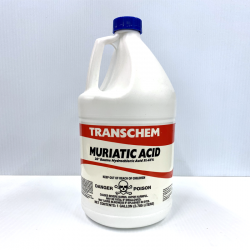
Ever wondered how to keep your pool water from resembling a murky swamp? The answer, more often than not, lies in the judicious application of muriatic acid. This potent chemical, also known as hydrochloric acid, is a veritable workhorse in pool maintenance, playing a crucial role in balancing water chemistry and tackling some of the most common pool problems. But what exactly *does* muriatic acid do for a pool, and how can you wield its power responsibly?
Let’s dive deep into the myriad ways this unassuming liquid contributes to the sparkling oasis you crave.
1. Taming the Alkalinity Beast: Lowering pH and Total Alkalinity
Perhaps the most significant function of muriatic acid is its ability to lower both pH and total alkalinity. These two parameters are inextricably linked, influencing each other and ultimately determining the corrosiveness or scale-forming tendencies of your pool water. pH, a measure of acidity or basicity, should ideally reside between 7.2 and 7.8. Total alkalinity, representing the water’s buffering capacity, should be maintained between 80 and 120 parts per million (ppm). High pH leads to scale formation, cloudy water, and reduced chlorine effectiveness. Elevated alkalinity exacerbates these issues, making pH adjustments more challenging. Muriatic acid, being a strong acid, efficiently neutralizes the alkaline compounds in your pool water, bringing both pH and total alkalinity back into the sweet spot. Precise metering is critical. Err on the side of caution, testing frequently, to avoid over-correction.
2. Eradicating Unsightly Stains: Acid Washing for a Pristine Finish
Over time, your pool’s surface can become marred by stubborn stains caused by mineral deposits, organic debris, and even algae. An acid wash, employing a diluted solution of muriatic acid, can effectively remove these blemishes, restoring your pool’s finish to its former glory. This process involves draining the pool, applying the acid solution to the affected areas, and thoroughly rinsing it away. Extreme caution is necessary! Always wear appropriate protective gear, including gloves, eye protection, and respiratory protection. Acid washing is a powerful technique, but it should be reserved for persistent stains that resist other cleaning methods. If improperly executed, it can etch or damage the pool surface.
3. Neutralizing Chlorine’s Sidekick: Reducing Calcium Hypochlorite Lock
While chlorine is essential for sanitizing your pool, certain types of chlorine, particularly calcium hypochlorite (cal hypo), can contribute to calcium buildup in the water. This can lead to calcium scaling and “chlorine lock,” a condition where chlorine becomes less effective due to high calcium hardness and pH levels. Muriatic acid can help mitigate this issue by dissolving calcium deposits and lowering pH, thereby improving chlorine’s efficacy. Consistent water testing and proactive adjustments with muriatic acid are crucial for preventing calcium-related problems. Consider using alternative sanitizers such as liquid chlorine or salt chlorine generators to minimize calcium buildup in the long run.
4. Safeguarding Equipment: Cleaning Salt Cells for Optimal Performance
Salt chlorine generators, a popular alternative to traditional chlorine systems, rely on a salt cell to convert salt into chlorine. Over time, calcium scale can accumulate on the salt cell’s plates, hindering its ability to produce chlorine efficiently. Muriatic acid, diluted according to the manufacturer’s instructions, can be used to clean salt cells, removing calcium deposits and restoring optimal performance. This process typically involves soaking the cell in the acid solution for a specified period, followed by thorough rinsing. Regular cleaning of your salt cell is vital for maintaining its lifespan and ensuring consistent chlorine production. Failure to do so can result in premature cell failure and costly replacements.
5. Preemptive Strike: Preventing Algae Blooms by Optimizing Water Chemistry
While muriatic acid is not an algaecide, it indirectly contributes to algae prevention by maintaining proper water chemistry. When pH and alkalinity are balanced, chlorine is more effective at killing algae spores and preventing blooms. By regularly adjusting these parameters with muriatic acid, you create an environment that is less hospitable to algae growth. Think of it as setting the stage for chlorine to perform its sanitizing role effectively. A well-maintained pool with balanced water chemistry is far less susceptible to algae outbreaks, saving you time, money, and frustration.
The Imperative of Prudence: Safety Considerations When Handling Muriatic Acid
Muriatic acid is a powerful chemical and must be handled with utmost care. Always wear appropriate protective gear, including gloves, eye protection (goggles or a face shield), and respiratory protection (a respirator or mask), when working with it. Add acid to water, never the other way around, to prevent dangerous splashing and heat generation. Work in a well-ventilated area to avoid inhaling fumes. Store muriatic acid in a cool, dry place, away from children and pets. Familiarize yourself with the safety data sheet (SDS) for muriatic acid before use. In case of skin or eye contact, immediately flush with plenty of water and seek medical attention. Mishandling muriatic acid can result in serious injury or property damage.
In conclusion, muriatic acid is an indispensable tool for pool maintenance, playing a multifaceted role in water chemistry management, stain removal, equipment cleaning, and algae prevention. However, its potency demands respect and adherence to safety precautions. By understanding its functions and employing it judiciously, you can unlock the secret to a sparkling, healthy, and inviting swimming pool.
FAQ
What does muriatic acid do for a pool?
It lowers pH and alkalinity, removes stains, cleans salt cells, and helps maintain effective chlorine levels.
How should I safely handle muriatic acid?
Always wear protective gear, add acid to water (never vice versa), work in a ventilated area, and store safely away from children and pets.
Can muriatic acid prevent algae in my pool?
It helps prevent algae indirectly by balancing water chemistry, enhancing chlorine's ability to kill algae spores.
Is acid washing my pool surface safe?
Acid washing should be done cautiously, only for persistent stains, and with proper protective equipment to avoid surface damage.

Leave a Reply