Short Answer
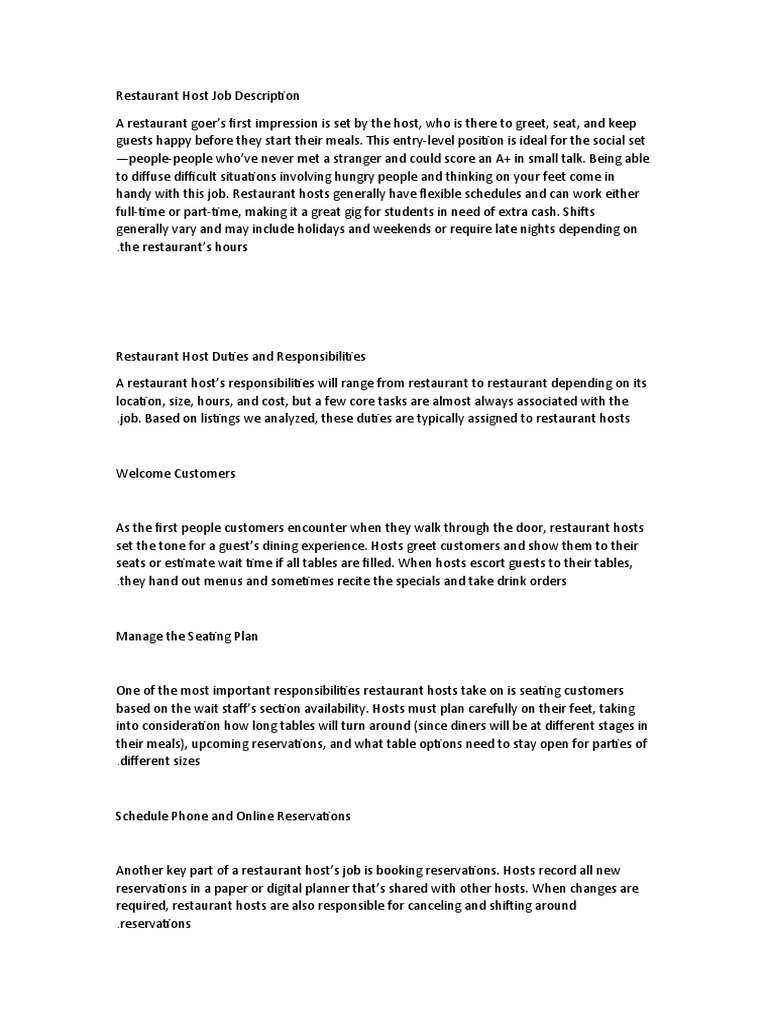
The restaurant host, often the first point of contact for patrons, is more than just a greeter. They are the orchestrators of the dining room experience, conductors ensuring the symphony of service plays out seamlessly. Their role, though seemingly straightforward, is a complex blend of customer service, spatial awareness, and logistical acumen. Think of them as the air traffic controllers of the culinary world, guiding the flow of guests with precision and grace.
The Welcoming Vanguard: First Impressions Matter
The initial interaction a guest has sets the tone for their entire meal. The host embodies hospitality. A warm greeting, a genuine smile, and an offer of assistance transform a simple arrival into a positive anticipation of the dining experience to come. They are the vanguard of the establishment’s ambiance, setting the stage for a memorable encounter.
More specifically, the host’s responsibilities in this area encompass:
- Acknowledging and Greeting Guests: Recognizing each guest promptly upon arrival. This is paramount.
- Assessing Guest Needs: Determining party size, seating preferences (e.g., booth, window, quiet area), and any special requirements (e.g., wheelchair accessibility). A keen eye for detail is crucial.
- Providing Accurate Wait Time Estimates: Managing expectations when tables are unavailable. This often involves a delicate balance of honesty and optimism. Under-promise and over-deliver is the mantra.
- Managing Reservations: Utilizing reservation systems (e.g., OpenTable, Resy) efficiently and accurately. Discrepancies can lead to frustration and dissatisfaction.
- Creating a Positive First Impression: Maintaining a professional demeanor and projecting an image of competence and warmth. They are, after all, the face of the restaurant.
The Spatial Strategist: Mastering the Seating Chart
Beyond the initial greeting, the host’s domain extends to the intricate art of seating management. This is not merely about filling tables; it’s about strategically distributing guests to optimize server workload, maintain ambiance, and maximize restaurant profitability. It’s a complex puzzle where each piece (guest) needs to be placed carefully.
This strategic allocation involves:
- Utilizing the Seating Chart: Familiarity with the seating arrangement and any table restrictions (e.g., out of service, reserved for a large party). Knowledge is power.
- Rotating Server Stations: Ensuring equitable distribution of tables among servers to prevent burnout and maintain consistent service quality. Fairness is key.
- Considering Guest Preferences: Accommodating seating requests whenever possible, while balancing the needs of the restaurant. Compromise is often necessary.
- Optimizing Table Turns: Strategically seating guests to maximize table turnover without rushing diners or compromising their experience. A delicate balancing act.
- Recognizing VIPs and Regulars: Providing preferential treatment to valued customers, building loyalty and fostering positive relationships. Remember the regulars.
The Communications Conduit: Bridging the Gap
The host acts as a central hub of communication, relaying information between guests, servers, and management. They are the linchpin connecting the front-of-house with the back-of-house, ensuring a smooth flow of operations. Clear and concise communication is paramount to avoid misunderstandings and delays.
This critical communication role entails:
- Communicating with Servers: Informing servers of newly seated guests and any special requests or needs. Teamwork is essential.
- Communicating with Management: Reporting any issues or concerns regarding seating, wait times, or guest complaints. Proactive problem-solving is valued.
- Answering Phone Calls: Handling reservations, providing information about the restaurant, and addressing customer inquiries. Professionalism is crucial.
- Managing the Waiting Area: Ensuring a comfortable and organized waiting area, providing updates on wait times, and offering amenities such as beverages or menus. Keep guests informed and comfortable.
- Addressing Guest Inquiries: Answering questions about the menu, specials, or restaurant policies. Knowledge is power.
Beyond the Basics: Additional Responsibilities and Qualities
While the core responsibilities of a host revolve around greeting, seating, and communicating, the role often extends to other ancillary duties. These tasks, while seemingly minor, contribute significantly to the overall efficiency and guest experience. Furthermore, certain inherent qualities are essential for success in this demanding position.
These supplementary responsibilities and essential qualities include:
- Maintaining Cleanliness: Ensuring the entryway, waiting area, and restrooms are clean and presentable. Cleanliness speaks volumes.
- Assisting with Bussing Tables: Helping to clear and reset tables during peak hours to expedite seating. Teamwork makes the dream work.
- Managing Coat Check: Handling coats and other personal items for guests, providing a convenient and secure service. Attention to detail is crucial.
- Handling Guest Complaints: Addressing guest concerns with empathy and professionalism, attempting to resolve issues to their satisfaction. Diplomacy is key.
- Exceptional Customer Service Skills: A genuine desire to help people and create a positive dining experience. Empathy is essential.
- Strong Communication Skills: Clear, concise, and professional verbal and written communication abilities. Articulation matters.
- Ability to Multitask: Juggling multiple responsibilities simultaneously while maintaining composure under pressure. Staying calm under pressure is critical.
- Problem-Solving Skills: Identifying and resolving issues quickly and efficiently. Thinking on your feet is essential.
- Teamwork Skills: Collaborating effectively with other restaurant staff to ensure a smooth and efficient operation. No one is an island.
In conclusion, the restaurant host is a pivotal figure in the dining experience. More than just a smiling face at the door, they are the architects of ambiance, the strategists of seating, and the conduits of communication. They are the unsung heroes who set the stage for a memorable meal, one guest at a time. Their contribution, often overlooked, is fundamental to the success and reputation of any restaurant. They are, in essence, the gatekeepers of gastronomic gratification.
FAQ
What is the role of a restaurant host?
The restaurant host welcomes guests, manages seating arrangements, handles reservations, communicates with staff, and helps maintain a positive dining atmosphere.
What skills are essential for a restaurant host?
Essential skills include excellent customer service, communication, multitasking, problem-solving, and teamwork.
How does a host manage seating efficiently?
Hosts use seating charts and reservation systems to balance server workloads, accommodate guest preferences, and optimize table turnover.
Do hosts handle guest complaints?
Yes, hosts often address and resolve guest complaints with empathy and professionalism.
What additional duties might a host perform?
Additional duties can include maintaining cleanliness, assisting with bussing tables, managing coat checks, and answering phone inquiries.


Leave a Reply