Short Answer
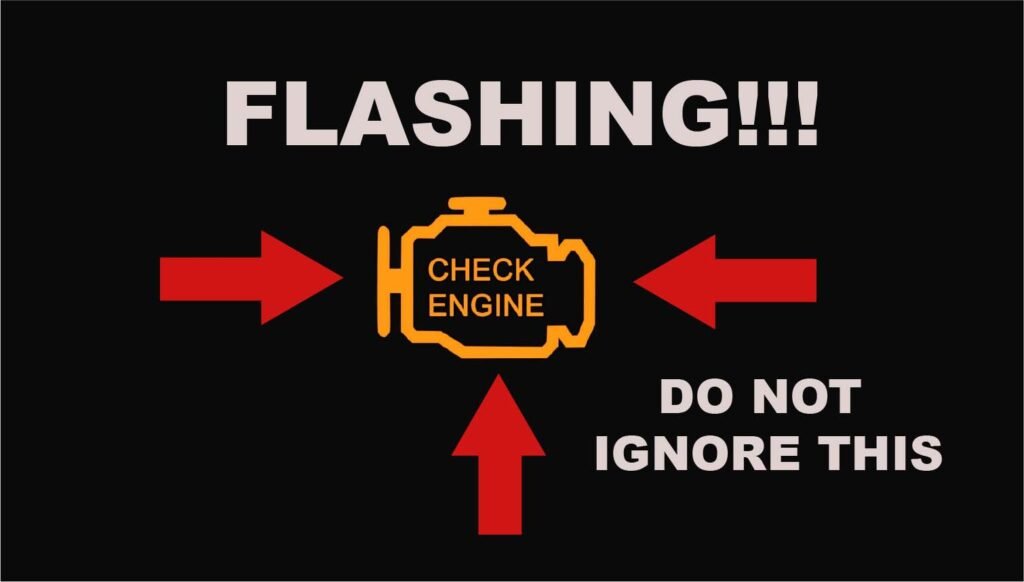
A blinking check engine light is more than just an annoyance; it’s a strident warning from your vehicle’s onboard diagnostic (OBD) system. Unlike a solid, consistently illuminated check engine light, a flashing indicator signifies a severe issue that demands immediate attention. Ignoring it can lead to significant and costly damage to your engine and catalytic converter. Therefore, understanding the underlying causes and appropriate responses is paramount to maintaining your vehicle’s health and longevity.
The Critical Distinction: Solid vs. Flashing
Before delving into the specifics of a blinking light, it’s crucial to differentiate it from a solid check engine light. A solid light typically indicates a less urgent, though still important, problem. This could be anything from a loose gas cap to a malfunctioning oxygen sensor. While addressing a solid light promptly is advisable, continuing to drive the vehicle is often permissible, provided there are no other noticeable performance issues. In contrast, a flashing check engine light is a clarion call, signaling an issue severe enough to potentially cause immediate engine damage.
Misfires: The Primary Culprit
The most common cause of a blinking check engine light is engine misfire. A misfire occurs when one or more of the engine’s cylinders fails to ignite the air-fuel mixture properly. This incomplete combustion results in unburned fuel being dumped into the exhaust system. This raw fuel can rapidly overheat and damage the catalytic converter, a vital component responsible for reducing harmful emissions. The catalytic converter’s replacement can be a financially burdensome affair.
Several factors can contribute to engine misfires, including:
- Faulty Ignition Components: Worn spark plugs, cracked distributor caps, or failing ignition coils can all impede the spark necessary for combustion. Regular inspection and replacement of these components are essential for optimal engine performance.
- Fuel System Issues: A clogged fuel filter, a failing fuel pump, or defective fuel injectors can disrupt the proper air-fuel mixture, leading to misfires. Fuel system maintenance is crucial for efficient engine operation.
- Vacuum Leaks: Vacuum leaks introduce unmetered air into the engine, disrupting the air-fuel ratio and potentially causing misfires. Identifying and repairing vacuum leaks often requires specialized equipment and expertise.
- Compression Problems: Low compression in one or more cylinders can prevent proper combustion. This could be due to worn piston rings, leaky valves, or a damaged cylinder head. Diagnosing compression issues often requires a compression test performed by a qualified mechanic.
Immediate Actions When the Light Starts Flashing
If your check engine light begins to flash, the recommended course of action is to reduce speed, avoid heavy acceleration, and seek professional assistance as soon as possible. Continuing to drive with a flashing check engine light can exacerbate the underlying problem and lead to more extensive and costly repairs. It is often prudent to pull over in a safe location and have the vehicle towed to a trusted repair shop. Neglecting to do so could turn a manageable issue into a catastrophic engine failure.
Decoding the Diagnostic Trouble Codes (DTCs)
Modern vehicles store diagnostic trouble codes (DTCs) when the check engine light illuminates. These codes provide valuable information about the nature and location of the problem. A mechanic can use a scan tool to retrieve these codes and use them to pinpoint the source of the malfunction. While some basic OBD-II scanners are available for home use, interpreting the codes and accurately diagnosing the problem often requires professional expertise.
Beyond Misfires: Other Potential Causes
While misfires are the most prevalent cause of a blinking check engine light, other, less frequent issues can also trigger it. These include:
- Catalytic Converter Failure: Although misfires often damage the catalytic converter, a failing catalytic converter itself can sometimes trigger a flashing check engine light. This is particularly true if the converter is severely clogged or damaged.
- Engine Control Unit (ECU) Malfunctions: In rare cases, a faulty ECU can cause a flashing check engine light. The ECU is the vehicle’s central computer, and its malfunction can lead to a wide range of problems, including false error codes.
- Sensor Issues: While less common than misfires, faulty sensors, such as the crankshaft position sensor or the camshaft position sensor, can sometimes trigger a flashing check engine light. These sensors are crucial for engine timing and operation.
Preventive Maintenance: The Best Defense
The best way to avoid a blinking check engine light is to adhere to a strict schedule of preventive maintenance. This includes regular oil changes, spark plug replacements, fuel filter replacements, and inspections of the ignition system, vacuum hoses, and other critical engine components. Addressing minor issues proactively can prevent them from escalating into more serious problems that trigger the dreaded flashing light. Furthermore, using high-quality fuel and avoiding aggressive driving habits can also contribute to engine longevity and reduce the likelihood of misfires.
In conclusion, a blinking check engine light should never be ignored. It signifies a serious problem that requires immediate attention. By understanding the potential causes and taking prompt action, you can protect your vehicle from significant damage and avoid costly repairs. Prioritizing regular maintenance and seeking professional assistance when needed are essential for keeping your engine running smoothly and reliably.
FAQ
What should I do if my check engine light starts blinking?
Slow down, avoid heavy acceleration, and have your vehicle checked by a professional mechanic as soon as possible.
Is it safe to drive with a blinking check engine light?
No, driving with a blinking check engine light can cause severe engine damage and should be avoided.
What are the main causes of a blinking check engine light?
The primary cause is engine misfire due to ignition or fuel system issues, vacuum leaks, or compression problems.
Can I diagnose the problem myself?
Basic OBD-II scanners are available for home use, but professional diagnosis is recommended for accurate repair.

Leave a Reply