Short Answer
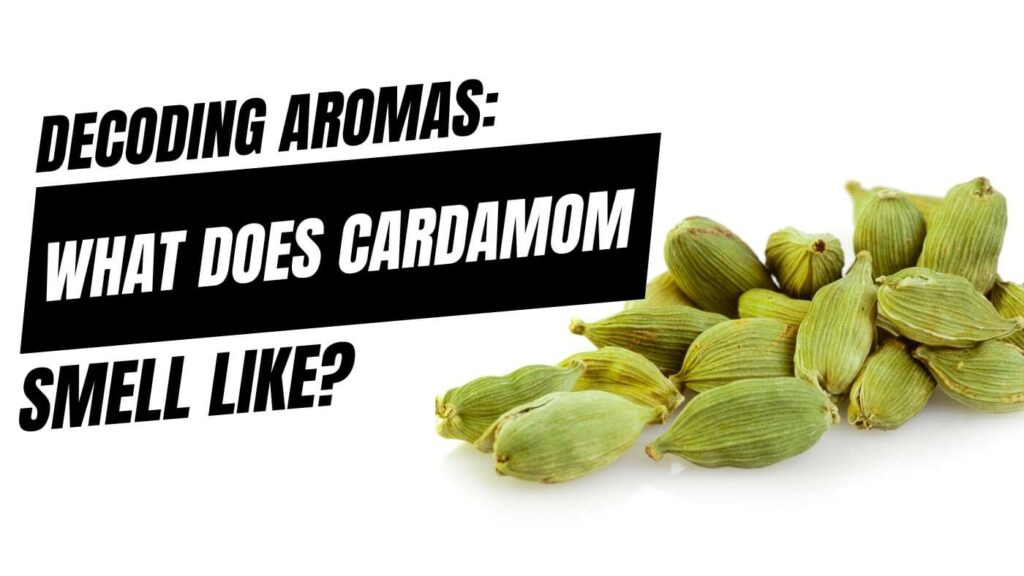
Cardamom. Just the mere utterance of the word conjures images of exotic spice markets, steaming cups of chai, and the comforting warmth of holiday baked goods. But beyond its culinary applications, a question lingers in the air, a sensory enigma waiting to be unraveled: What exactly does cardamom smell like? It’s a question that, upon closer inspection, reveals a fascinating tapestry of olfactory nuances, chemical compounds, and even cultural associations.
The simple answer, “spicy,” barely scratches the surface. The aroma of cardamom is far more intricate, a symphony of scents that dance and intertwine to create a truly unforgettable olfactory experience. Let’s delve into the multifaceted world of cardamom’s fragrance, dissecting its constituent parts and exploring the reasons behind its enduring appeal.
I. A Symphony of Olfactory Notes
Cardamom’s fragrance isn’t a monolithic entity. Instead, it’s a complex blend of various olfactory notes, each contributing to the overall sensory profile. Identifying these notes is crucial to truly grasping the essence of cardamom’s aroma.
A. The Initial Impression: Aromatic Warmth
The first whiff of cardamom often evokes a feeling of warmth. This is largely due to the presence of compounds like cineole, which contributes a camphoraceous note, reminiscent of eucalyptus but softer, more inviting. This initial warmth is a welcoming embrace, a prelude to the more complex layers that follow.
B. Citrus Zest: A Bright Counterpoint
Amidst the warmth, a bright, citrusy note emerges. This is thanks to compounds like limonene, also found in citrus fruits like lemons and oranges. This zesty element provides a refreshing counterpoint to the warmth, preventing the aroma from becoming heavy or cloying. This interplay of warmth and citrus is one of the key factors that make cardamom so versatile.
C. Eucalyptic Undertones: A Touch of Coolness
Subtle eucalyptic undertones further enhance the complexity. This coolness, contributed by cineole and other related compounds, adds a layer of freshness and prevents the aroma from becoming one-dimensional. It’s a subtle whisper of the outdoors, a hint of the spice’s origins in the verdant landscapes of South Asia.
D. A Spicy Heart: Clove-Like and Pungent
At the heart of cardamom’s aroma lies a distinct spiciness, reminiscent of cloves but with its own unique character. This pungency comes from compounds like eugenol, also found in cloves. It provides a grounding element, a solid base upon which the other notes can play.
E. A Woody Base: A Grounding Earthiness
Finally, a subtle woody base provides a grounding earthiness to the aroma. This earthiness isn’t overpowering, but rather a subtle undertone that adds depth and complexity. It’s a reminder of the spice’s origins in the earth, a connection to the natural world.
II. Factors Influencing the Aroma
The precise aroma of cardamom isn’t constant; it can vary depending on several factors, including the variety, origin, and processing methods.
A. Variety Matters: Green vs. Black Cardamom
The two most common types of cardamom, green and black, possess distinct olfactory profiles. Green cardamom, the more ubiquitous variety, boasts a sweeter, more delicate aroma with pronounced citrusy and floral notes. Black cardamom, on the other hand, has a smokier, more intense aroma with a camphoraceous and almost menthol-like character. The drying process over open fires contributes significantly to the smoky notes in black cardamom.
B. Origin and Terroir: A Sense of Place
Similar to wine, the origin of cardamom can influence its aroma. The specific climate, soil composition, and altitude of the growing region can all contribute to variations in the spice’s olfactory profile. Cardamom from Guatemala, for example, might exhibit slightly different nuances compared to cardamom from India.
C. Processing Techniques: From Harvest to Shelf
The way cardamom is processed after harvesting also plays a crucial role in shaping its aroma. The drying method, in particular, can significantly impact the final product. Sun-drying, for instance, tends to preserve the more delicate citrusy and floral notes, while kiln-drying can result in a slightly more intense, spicy aroma.
III. The Enduring Fascination with Cardamom
The appeal of cardamom extends far beyond its culinary applications. Its complex and multifaceted aroma has captivated cultures for centuries, leading to its use in perfumes, incense, and traditional medicines. But what is it about this spice that continues to fascinate us?
A. A Sensory Journey: Evoking Memories and Emotions
The aroma of cardamom has the power to transport us to different places and times. It can evoke memories of childhood holidays, exotic travels, or comforting moments shared with loved ones. This ability to trigger emotional responses is a key part of its enduring appeal. The scent acts as an olfactory time machine, whisking us away on a sensory journey.
B. Therapeutic Properties: Beyond the Pleasant Scent
In traditional medicine systems like Ayurveda, cardamom is valued for its therapeutic properties. Its aroma is believed to have calming and uplifting effects, promoting relaxation and reducing stress. The act of inhaling cardamom’s fragrance can be seen as a form of aromatherapy, providing both physical and emotional benefits.
C. A Symbol of Luxury and Opulence: A Spice Fit for Royalty
Historically, cardamom has been considered a luxury spice, prized for its rarity and exquisite aroma. Its association with wealth and opulence has further enhanced its appeal. From ancient trade routes to modern-day spice markets, cardamom continues to be a symbol of indulgence and sophistication.
In conclusion, the aroma of cardamom is far more than just “spicy.” It’s a complex and multifaceted sensory experience, a symphony of olfactory notes that dance and intertwine to create a truly unforgettable fragrance. From the initial warmth to the subtle woody base, each element contributes to the spice’s unique character. And it is precisely this intricate and evocative nature that explains its enduring appeal. It’s a spice that not only tantalizes the taste buds but also captivates the senses and stirs the imagination, making it a true treasure of the culinary and olfactory world.
FAQ
What does cardamom smell like?
Cardamom has a complex aroma characterized by aromatic warmth, citrus zest, eucalyptic undertones, a spicy heart reminiscent of cloves, and a subtle woody base.
How do green and black cardamom differ in aroma?
Green cardamom has a sweeter, more delicate aroma with citrusy and floral notes, while black cardamom features a smokier, more intense scent with camphoraceous and menthol-like characteristics.
What factors influence the scent of cardamom?
The aroma varies based on cardamom variety, origin (terroir), and processing methods such as drying techniques.
Is cardamom used beyond cooking?
Yes, cardamom's fragrance is used in perfumes, incense, traditional medicine, and aromatherapy due to its therapeutic properties.



Leave a Reply