Short Answer
When faced with the unsettling reality of a dead tooth, individuals often find themselves grappling with not only the immediate implications for their oral health but also the intriguing question: How long can a dead tooth stay in your mouth? While this may seem like a benign topic, it reveals deeper concerns about dental hygiene, systemic health, and the biological processes at play within our bodies.
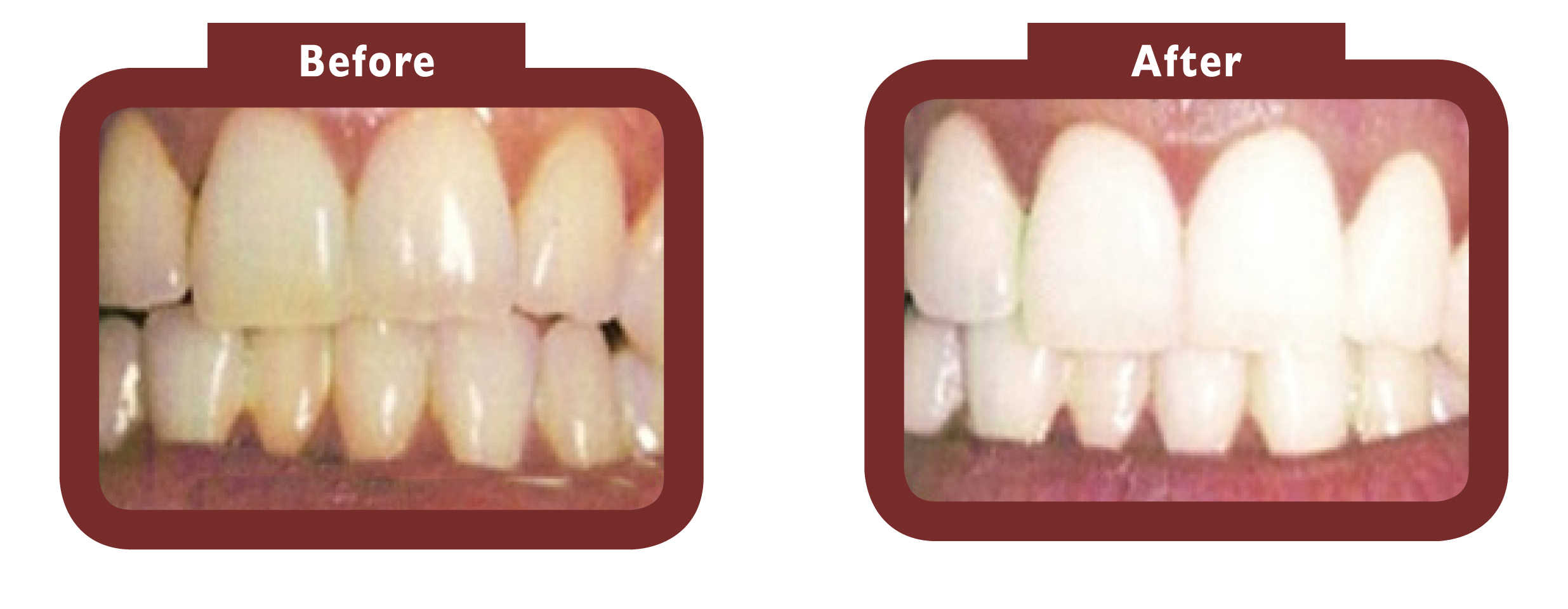
To begin with, it is essential to define what qualifies as a “dead tooth.” A dead tooth, or non-vital tooth, occurs when the pulp—the innermost part containing nerves and blood vessels—suffers irreparable damage, typically due to decay, trauma, or infection. As the nerve loses its vitality, the tooth can become discoloured, often taking on a greyish hue. While some individuals may be curious about the aesthetic aspects of this phenomenon, the health implications pose a far more significant concern.
Many individuals may wonder: What are the risks associated with retaining a dead tooth for an extended period? Scientific inquiry offers much insight here. A dead tooth does not simply languish in a state of limbo; it can lead to a multitude of complications. The absence of blood circulation means the tooth has no nutritional supply, making it inherently vulnerable to further decay. Over time, bacteria may proliferate, potentially leading to the development of an abscess—a painful and pus-filled infection that can create even more severe repercussions if left unchecked.
Furthermore, the presence of a dead tooth can incite systemic issues, affecting other parts of the body. Bacteria that escape through the infected roots can enter the bloodstream, posing risks for the heart and other vital organs. This phenomenon, known as bacteremia, illustrates the profound interconnectedness of our physiological systems. Consequently, this latent threat of systemic infection should not be overlooked.
So, how long can one legitimately expect to retain a dead tooth without facing grave consequences? There is no definitive answer, as this can vary significantly based on individual biology, the location of the tooth, and the presence of any secondary dental issues. However, many dentists suggest that it is inadvisable to retain a non-vital tooth for longer than a few months without professional assessment. The damage can rapidly escalate, and most practitioners advocate for intervention once a dead tooth is diagnosed.
Despite the evident risks, one may find themselves captivated by the sheer resilience of a dead tooth. It often remains in situ for surprising periods, sometimes even years. Curiously, patients may become accustomed to the tooth’s presence or dismiss its significance until more pronounced symptoms emerge. This phenomenon raises questions regarding pain tolerance, the psychological response to dental health crises, and the broader implications for self-care and awareness.
The Diagnosis: How is a Dead Tooth Identified?
Recognising a dead tooth requires a keen eye and can involve various diagnostic techniques. Dental professionals will often begin with a thorough visual examination. Signs of discoloration, swelling, or abnormal sensitivity may serve as red flags. Advanced methods, such as X-rays, can reveal the internal state of the tooth and any surrounding bone structure. Often, the presence of a darkened area at the root signifies a dead pulp.
Treatment Methods: What Can Be Done?
Upon diagnosis, a range of treatment options becomes available. Root canal therapy is a commonly employed procedure. During this intervention, a dentist will remove the affected pulp tissue, disinfect the interior of the tooth, and seal it to avert future complications. Though the thought of such a procedure may incite apprehension, root canal therapy can save a dead tooth and maintain its usefulness.
Alternatively, some cases may necessitate extraction, especially if the tooth has undergone extensive decay or if it poses an infection risk. While this may seem daunting, tooth loss is often less alarming than the potential complications of leaving a dead tooth unattended.
The Emotional Dimension: Mental Well-being and Dental Health
Moreover, the psychological aspects of managing a dead tooth should not be underestimated. Individuals may experience anxiety, embarrassment, or an intense fear of dentists, leading to avoidance behaviour. This can foster a detrimental cycle, wherein poor dental habits exacerbate pre-existing issues. Education and community support can play influential roles in encouraging individuals to seek treatment and prioritise their oral health.
Preventive Measures: Keeping Your Teeth Alive
Ultimately, prevention remains paramount. Regular dental check-ups, effective oral hygiene practices, and a balanced diet can significantly mitigate the risk of developing a dead tooth. Additionally, being mindful of traumatic injuries and promptly addressing dental concerns can stave off the damage that leads to non-vital teeth.
In conclusion, while the question of how long a dead tooth can exist in the mouth without causing immediate harm might spark curiosity, it highlights a grave reality about dental health. The risks associated with retaining a non-vital tooth extend far beyond mere aesthetics, encompassing systemic health concerns and significant pain. Understanding and addressing these factors is crucial for maintaining not only oral health but overall well-being.
FAQ
What is a dead tooth?
A dead tooth is one where the pulp inside has lost blood and nerve supply due to damage or infection.
How long can a dead tooth stay in the mouth safely?
While it varies, it is generally recommended to seek dental care within a few months to avoid complications.
What are the risks of keeping a dead tooth?
Risks include infections, abscesses, and potential spread of bacteria causing systemic health problems.
How is a dead tooth diagnosed?
Dentists diagnose a dead tooth through clinical examination and imaging such as X-rays.
What treatments are available for a dead tooth?
Treatment typically includes root canal therapy or extraction depending on the tooth's condition.


Leave a Reply