Short Answer
The fragility of glass, a material synonymous with beauty and utility, quickly turns to peril when it shatters. How do you dispose of broken glass safely and legally? It sounds straightforward, but many encounter unexpected challenges. The broken remnants can be both a literal and figurative ‘cut’ situation, presenting risks that can ensnare the unwary while navigating local laws surrounding waste disposal. In this article, we will dissect the intricate process of disposing of broken glass, emphasizing the importance of safety and legality, and exploring potential pitfalls along the way.
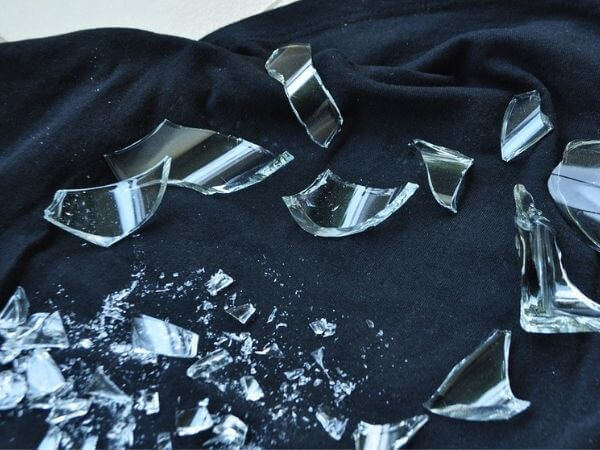
First and foremost, understanding the nature of your broken glass is crucial. Is it from a shattered mirror, a wine glass, or perhaps a broken window? Different types of glass require distinct handling procedures. For instance, tempered glass, often used in modern windows and shower doors, behaves entirely different from ordinary glass. When shattered, it breaks into small, harmless pieces, while ordinary glass can create jagged shards that can be hazardous. Thus, before embarking on the disposal journey, assess what type of glass you’re dealing with.
Once the type is identified, the safety of yourself and others is paramount. The challenge here is twofold: ensuring you do not injure yourself while cleaning up and preventing harm to others unknowingly walking into the area. Begin by gathering supplies: sturdy gloves, broom and dustpan, heavy-duty plastic bags, and perhaps some cardboard for additional protection. With these tools at hand, you are more equipped to tackle the mess safely.
Begin the clean-up by carefully collecting the larger glass pieces with your gloved hands, being vigilant to avoid letting the shards slip through your fingers. Use the cardboard to scoop up smaller fragments that evade your initial grasp. This task necessitates patience and precision; rushing the job can lead to a misstep – here lies the challenge. After the bulk has been collected, employ a broom and dustpan to gather up any remaining tiny shards or splinters. Sweep slowly and methodically and remember to dispose of these shards immediately as they are rarely visible to the naked eye.
With the majority of the glass now contained, it’s time to package it properly for disposal. It is crucial to use heavy-duty plastic bags or cardboard boxes for this process, ensuring that the glass is no longer a hazard to anyone. The bag or box should be clearly marked with warnings such as “Broken Glass” or even “Sharp Objects.” Signage of this nature prevents accidents during transportation and alerts waste collectors to the potential danger that lies within.
Now, this is where local regulations come into play. Different municipalities hold varying rules regarding the disposal of hazardous materials, including broken glass. Some areas may allow broken glass to be thrown out with regular rubbish, while others may require specific disposal methods. To avoid potential fines and ensure community safety, consult your local refuse management guidelines.
What happens if your broken glass is too large for standard collection? In such cases, you might have to consider alternative disposal methods or even a trip to your local recycling centre. Many facilities provide designated drop-off areas for hazardous waste materials, including glass. This legal avenue not only adheres to regulations but also promotes recycling – a win-win scenario as less waste leads to a more sustainable environment.
However, there exists another layer of complexity when the glass is a part of a larger object, such as furniture with glass inserts or decorative pieces. In this case, you may be faced with a challenge of disassembling the item safely. When dismantling furniture, ensure you wear protective equipment such as gloves and goggles. When glass is attached, take care to minimise stress on the glass to avoid further breakage. Once removed, follow the aforementioned steps for safe disposal.
Have you ever pondered what to do when faced with an antique or valuable piece of glassware that has met its untimely end? Sentimental attachments to certain pieces can ignite a dilemma: to repair or to dispose? Should you choose to discard heavy, ornate glassware, consider researching art studios or community clubs that might seek out broken glass for creative projects or mosaics. Here lies another challenge: letting go of something you once cherished. Yet, adopting a utilitarian approach may further the concept of sustainability while benefiting local artists.
Once the broken glass has been disposed of, the next question arises: how can we prevent such accidents in the future? Therein lies the importance of education and awareness. Regularly inspect glass items for weaknesses, and when handling everyday glassware, keep a level of caution.
In retrospect, disposing of broken glass safely and legally is not just about the act of disposal; it blends safety, legality, and respect for the community. It is vital to understand the nature of the glass, employ proper cleaning measures, and follow local disposal guidelines carefully. Whether facing the challenge of disposal or navigating emotional attachments, being informed empowers decision-making and fosters a culture of safety and responsibility. In the end, glass is a beautiful, versatile material— so let’s commit to handling it properly, ensuring both our safety and that of others.
FAQ
How do I safely clean up broken glass?
Wear gloves and protective eyewear, collect large pieces by hand carefully, use cardboard or broom and dustpan for smaller shards, and dispose of the glass immediately in a sturdy, labeled container.
Are there different disposal rules for different types of glass?
Yes, tempered glass and ordinary glass may have different handling and disposal requirements, so identify the glass type before disposal.
What should I do if I have broken glass embedded in furniture?
Wear protective equipment and carefully disassemble the furniture to remove glass pieces before following standard disposal procedures.
Can broken glass be reused or recycled creatively?
Yes, some artists and community groups use broken glass for mosaics and other projects, providing a sustainable alternative to disposal.
Why is it important to label bags or boxes containing broken glass?
Labeling warns waste handlers of the hazard, reducing the risk of injury during transport and disposal.




Leave a Reply