Short Answer
Receiving a notification that your doctor wishes to conduct a telephone consultation following your blood test results can be a cause for concern. This article aims to elucidate the potential implications of such a request, demystifying the reasons behind it and exploring the subsequent steps you might need to undertake. The experience is common yet often laden with anxiety and uncertainty, making it important to understand what it can signify about your health.
Understanding Blood Tests
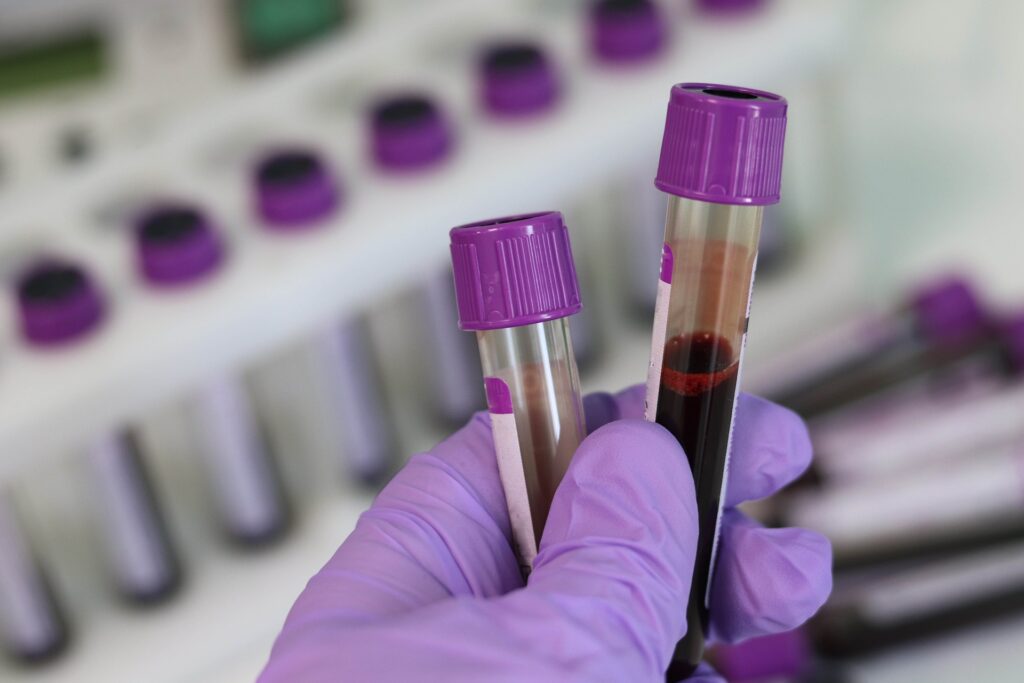
Before delving into the significance of a telephone consultation, it is crucial to grasp the role blood tests play in modern medicine. Blood tests serve as a fundamental diagnostic tool, enabling healthcare professionals to assess various bodily functions and identify potential health concerns. From routine check-ups to intricate evaluations of complex conditions, these tests can provide invaluable insights into a patient’s physiological state.
Common blood tests include complete blood count (CBC), lipid panels, liver function tests, and thyroid function tests, among others. Each of these evaluates different aspects of health, such as the presence of infection, organ functionality, and metabolic activity. With these insights, doctors can create a clearer picture of an individual’s health profile.

Why a Telephone Consultation?
When a doctor requests to speak with you directly after receiving your blood test results, it typically indicates that there may be findings requiring clarification or further discussion. This does not necessarily mean that something is gravely amiss; it could be an opportunity for your healthcare provider to provide more context about the results, address any questions you might have, and outline the next steps, if necessary.
It’s essential to consider that the nature of medical communication has evolved significantly. While face-to-face consultations used to be the norm, telephone consultations offer convenience for both patients and healthcare providers. They can facilitate timely discussions without the logistical challenges associated with in-person visits.
Possible Outcomes of the Consultation
The outcomes of a telephone consultation can vary widely based on the results of your blood tests:
- Normal Results: It’s possible that your blood tests returned normal results, and the doctor simply wishes to reassure you and discuss your overall health and wellness. They might take this opportunity to suggest lifestyle changes or preventive measures.
- Abnormal Results: If there are abnormalities, the doctor will discuss what these mean in a clinical context. They may refine their focus on specific areas of concern, such as elevated cholesterol levels or abnormal liver enzymes, and may recommend further testing or monitoring.
- Need for Immediate Action: In certain scenarios, particularly if results indicate a critical health issue, your doctor might need to outline immediate actions that should be taken. This could involve a referral to a specialist, initiation of treatment, or lifestyle modifications.
Preparing for the Telephone Consultation
- Review Your Health History: Familiarise yourself with your medical history, including any previous illnesses, medications, and family health issues. Having this information at hand can help provide context during the conversation.
- List Your Questions: Prepare a list of questions and concerns you might have. Be clear about what you wish to know, whether it’s about the implications of your test results or potential treatment options.
- Take Notes: When speaking with your doctor, make sure to jot down important points the physician makes. This will aid in your understanding and retention of the information shared.
Emotions and Anxiety Around Medical Communication
It may be beneficial to involve a family member or friend in the conversation. They can help provide emotional support, ensure you don’t overlook vital questions, and assist in interpreting any medical jargon that may arise during the discussion.
After the Consultation
Post-consultation, reflect on the information shared and any actions recommended by your doctor. If recommendations were made for further testing or referrals, make sure to follow through promptly. In some instances, your doctor might refer you to a specialist, who can provide deeper insights into particular abnormalities.
It is also a good practice to schedule follow-up appointments as necessary. Maintaining regular check-ups is vital for monitoring any developing health issues and ensuring early intervention if needed.
Conclusion
A telephone consultation with your doctor following a blood test can be a pivotal moment in your healthcare journey. Whether it entails confirmation of good health or the initiation of treatment for a health concern, approaching it with a prepared mind and a healthy dose of curiosity can help alleviate anxiety. Understanding the rationale behind your doctor’s call and engaging effectively in the discussion will empower you to take charge of your health and make informed decisions going forward. Ultimately, such consultations foster communication and shared responsibility in managing one’s health, translating into better outcomes and peace of mind.
FAQ
What does it mean if my doctor wants a telephone consultation after my blood test?
It may indicate that there are findings that require clarification or further discussion about your health.
What should I expect during a telephone consultation?
Expect to discuss your blood test results, any concerns your doctor may have, and possible next steps.



Leave a Reply