Short Answer
Acquiring sole custody of a child is a momentous decision and an intricate legal process. It signifies not just the desire for parental control, but often emerges from a complex tapestry of emotional and practical considerations. This article delves into the multifaceted realm of gaining sole custody, explicating the legal processes, requirements, and the deeper motivations that underlie this aspiration.
Understanding Sole Custody
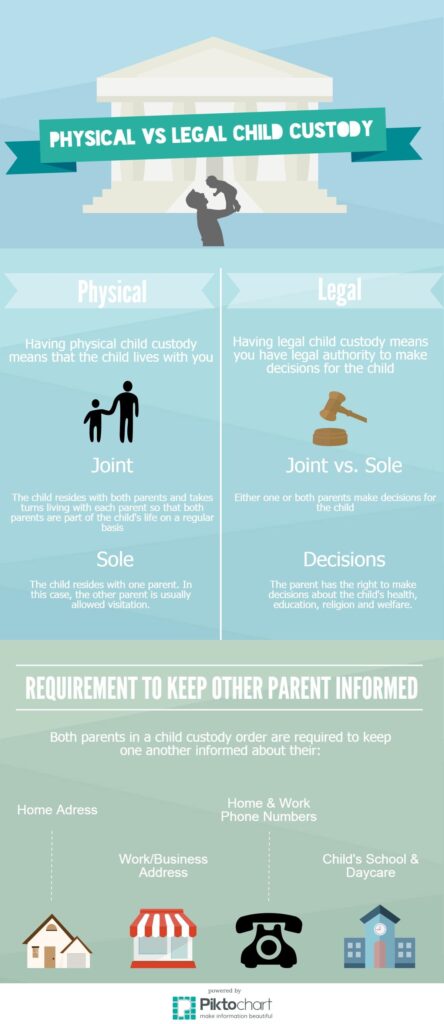
Sole custody refers to a legal arrangement where only one parent maintains the legal rights and responsibilities for a child. This arrangement can manifest in two variations: sole legal custody, which grants one parent the exclusive right to make significant decisions regarding the child’s welfare, and sole physical custody, where the child primarily resides with one parent. This arrangement is often pursued in cases fraught with discord, abuse, or incapacity of one parent to fulfil their parental duties adequately.
Common Reasons for Seeking Sole Custody
There exists a myriad of rationales behind the quest for sole custody. Parents often find themselves in situations where their child’s safety and well-being are paramount concerns. Instances of domestic violence, substance abuse, or neglect significantly contribute to the apprehension that a shared custody arrangement may not serve the child’s best interests. Furthermore, persistent conflict and detrimental parental behaviour can hinder a child’s emotional security and development. As a result, the notion of sole custody becomes not merely a preference but a necessity for some families.
The Legal Process of Obtaining Sole Custody
Navigating the labyrinthine legal process for establishing sole custody necessitates a comprehensive understanding of familial law and sometimes the assistance of a legal professional. Below, we unravel the critical steps involved in this journey:
1. Assess Your Situation
Before initiating any legal proceedings, it is essential to appraise your familial dynamics thoroughly. Reflect on the reasons why sole custody is warranted. Gather evidence that substantiate your claims—this may include documentation of abusive behaviour, neglect, or instances that illustrate why the custodial arrangement could jeopardise your child’s welfare.
2. Engage Legal Counsel
Enlist the support of a knowledgeable family lawyer who specializes in custody disputes. This decision can profoundly impact the outcome of your case. A legal expert will guide you through the complex statutes and pertinent regulations while providing strategic advice tailored to your specific circumstances. Their insights can illuminate potential pitfalls and help to effectively bolster your case.
3. Filing the Petition
The next legal manoeuvre involves filing a petition for custody in your local family court. This petition must encapsulate the rationale for pursuing sole custody, including any evidence previously compiled. It is imperative to adhere to your jurisdiction’s requirements meticulously; different areas may have varying forms and criteria that must be satisfied.
4. Serving the Other Parent
Once the petition is filed, it must be served to the other parent. This step is critical, as it ensures that both parties are afforded the opportunity to present their cases. The serving of documents can sometimes trigger emotional responses; thus, it may be prudent to coordinate this with your attorney to ensure it is handled delicately.
5. Preparing for Mediation
Many jurisdictions mandate mediation as a precursor to a court hearing. This stage serves as a platform for both parents to discuss their perspectives and attempt to reach a consensus regarding custody arrangements. While mediation can be a constructive dialogue, it can also become contentious, particularly if one parent is resistant to relinquishing custody rights. In such situations, remaining composed and focused on the child’s best interests is paramount.
6. Court Hearing
If mediation fails to yield a satisfactory resolution, your case will proceed to a court hearing. This is where the substantive elements of your petition will be adjudicated. Both parents will present their evidence and arguments before a judge, who will ultimately decide based on the best interests of the child. Emotions may run high in these proceedings; thus, it is crucial to remain poised and articulate, guided by the principle that the court prioritises child welfare above parental desires.
7. Court Decision
Post-hearing, the court will render a decision. If sole custody is awarded, this decision will outline the specifics of custody rights and responsibilities, potentially including visitation arrangements for the non-custodial parent. However, should the ruling not favour sole custody, parents have the right to appeal the decision, albeit this process can be complex and may prolong the conflict.
Legal Requirements for Sole Custody
While the motives for seeking sole custody can sometimes be emotionally charged, the legal requirements are typically more straightforward. Courts predominantly look for evidence that a sole custody arrangement aligns with the child’s best interests. Some key factors that may influence the court’s decision include:
- Parental fitness: Assessing a parent’s capability to provide for a child’s emotional, physical, and developmental needs.
- Child’s relationship with each parent: Evaluating how well the child connects with both parents and the stability those relationships offer.
- Parental conduct: Investigating any history of abuse, neglect, or substance misuse that may jeopardise the child’s safety.
- Stability of environment: Considering the existing living conditions and school arrangements to ensure that the child benefits from a consistent and nurturing environment.
The Emotional Landscape
Acquiring sole custody is more than a mere legal battle; it often encapsulates profound emotional stakes. The underlying motivations frequently stem from safeguarding a child’s well-being, which is non-negotiable for many parents. However, it also manifests as an arduous journey marked by anxiety, uncertainty, and hope for a better future. Parents must navigate this tumultuous path with tenacity, knowing that it is the child’s welfare that ultimately fuels their endeavor.
In conclusion, seeking sole custody is a significant undertaking that demands extensive consideration and preparation. It is essential to approach the legal process with diligence and an unwavering focus on the child’s best interests, seeking assistance from professionals when needed to illuminate the path forward.
FAQ
What is sole custody?
Sole custody means one parent has exclusive legal rights and responsibilities for a child, which can include decision-making and physical residence.
What are the steps to obtain sole custody?
The steps include assessing your situation, engaging legal counsel, filing a petition, serving the other parent, preparing for mediation, attending a court hearing, and waiting for the court’s decision.
What factors do courts consider for sole custody?
Courts consider parental fitness, the child’s relationship with each parent, parental conduct, and the stability of the child’s environment.
FAQ
What is sole custody?
Sole custody means one parent has exclusive legal rights and responsibilities for a child, which can include decision-making and physical residence.
What are the steps to obtain sole custody?
The steps include assessing your situation, engaging legal counsel, filing a petition, serving the other parent, preparing for mediation, attending a court hearing, and waiting for the court’s decision.
What factors do courts consider for sole custody?
Courts consider parental fitness, the child’s relationship with each parent, parental conduct, and the stability of the child’s environment.


Leave a Reply