Short Answer
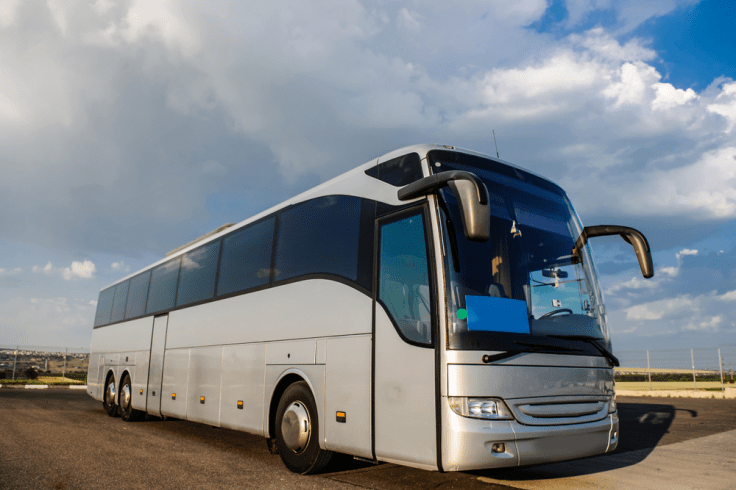
For many, the idea of driving a bus, coach, or other large vehicle conjures images of adventure and excitement. However, before one can embark on this journey, it is essential to grasp the foundation of what a Passenger Carrying Vehicle (PCV) licence entails. A PCV licence is a special driving permit that allows individuals to legally operate vehicles designed to carry passengers, typically those that accommodate more than eight seats. This document is a linchpin for anyone pursuing a career in public transport, tourism, or any industry involving group travel. Understanding the nuances of obtaining a PCV licence—including the prerequisites, associated costs, and application process—can elucidate the pathway toward achieving this endeavour.
What is a PCV Licence?
A PCV licence is categorised under the broader scope of driving licences in the UK, specifically tailored for vehicles used to transport passengers. This includes buses, coaches, and minibuses. Within the framework of UK driving regulations, the PCV licence is classified as Category D1 (minibuses) or D (buses). The necessity of this licence arises from the higher level of skill required to manage larger vehicles safely, as well as the inherent responsibilities associated with passenger welfare.
Additionally, holding a PCV licence signifies a commitment to public safety and vehicle operation standards. Not only does it endorse legal driving practices, but it also reinforces the importance of ensuring the safety and comfort of passengers during travel.
Requirements for a PCV Licence
Before diving into the application process, it is crucial to understand the prerequisites for obtaining a PCV licence. The requirements are as follows:
- Age Requirement: Applicants must be at least 18 years old to apply for a PCV licence. However, to drive a bus (Category D), one must be at least 24 years old.
- Standard Driving Licence: An applicant must possess a valid category B driving licence, indicating they are permitted to drive standard cars. Having this foundational licence is non-negotiable.
- Medical Examination: Individuals seeking a PCV licence must pass a medical examination. This assessment ensures one’s physical and mental fitness to drive a vehicle of such capacity. Particular attention is given to vision, hearing, and overall health.
- DCPC Requirement: In addition to the PCV licence, candidates are required to obtain a Driver Certificate of Professional Competence (DCPC). This certification is mandatory for drivers of passenger vehicles and comprises 35 hours of periodic training every five years.
- Driving Test: Candidates must successfully complete a driving test that assesses their skill in handling a vehicle under various conditions. This test is comprehensive, focusing on vehicle control, safety protocols, and passenger considerations.
Costs Associated with PCV Licence
Understanding the financial aspect of obtaining a PCV licence is vital for prospective applicants. Costs can fluctuate based on several factors, yet one can expect to budget for the following:
- Medical Examination Costs: The price of a medical examination can range from £50 to £100, depending on the practitioner and location.
- Application Fees: The application fee for the provisional PCV licence is approximately £50. This sum is paid to the Driver and Vehicle Licensing Agency (DVLA).
- Driving Instructor Fees: Hiring a driving instructor with expertise in large vehicles is essential for preparation. This could cost anywhere from £45 to £85 per hour, and several lessons may be needed.
- Testing Fees: Upon completion of driving lessons, candidates will pay for their driving test, which can be around £100.
- DCPC Training Costs: The cost for DCPC training can vary widely based on the provider, but it generally lies between £300 and £600 for the required 35 hours.
When adding these expenses together, it’s clear that acquiring a PCV licence is a significant investment. Nonetheless, many individuals find that this investment pays off, especially if they pursue a fulfilling career in public transportation or tourism.
Application Process for a PCV Licence
The journey to acquiring a PCV licence begins with a thorough understanding of the application process. The steps involved are systematic and well-structured, designed to facilitate aspiring drivers through the necessary stages:
- Obtain a Provisional Licence: The initial step is to apply for a provisional PCV licence through the DVLA. This application can be completed online or via postal forms.
- Medical Examination: Schedule and complete the required medical examination to confirm your fitness to drive.
- Driving Lessons: Enrol in a driving school that specialises in training for PCV drivers. During this period, focus on mastering the techniques for handling larger vehicles.
- Pass the Theory Test: Candidates must pass a theory test that assesses their knowledge of road safety, regulations, and vehicle operation.
- Pass the Practical Driving Test: After sufficient training, applicants will schedule and undertake the practical driving test.
- Complete DCPC Training: Once the driving test is successfully passed, the individual will need to undergo DCPC training, which must be completed within the first few years of holding the PCV licence.
Securing a PCV licence is a multifaceted process that requires dedication, financial investment, and a commitment to safety. However, for those captivated by the prospect of driving large passenger vehicles, serving the community, and forging a career in transport, the rewards can be substantial. Not only does it open doors to a diverse array of job opportunities, but it also cultivates skills that are highly valued in various industries. As such, the pursuit of a PCV licence is a commendable and ambitious undertaking, one that reflects a dedication to public service and safety on the roads.
FAQ
What is a PCV licence?
A PCV licence authorizes individuals to drive passenger vehicles such as buses and coaches in the UK.
What are the age requirements for obtaining a PCV licence?
Applicants must be at least 18 years old, and 24 years old to drive a bus (Category D).
Is a medical examination necessary for a PCV licence?
Yes, a medical exam is required to ensure the driver is physically and mentally fit.
What costs should I expect when applying for a PCV licence?
Costs include medical exams, application fees, driving lessons, testing fees, and DCPC training, totaling several hundred pounds.
What is the Driver Certificate of Professional Competence (DCPC)?
DCPC is mandatory ongoing training for PCV drivers, consisting of 35 hours every five years to maintain professional standards.
Leave a Reply