Short Answer
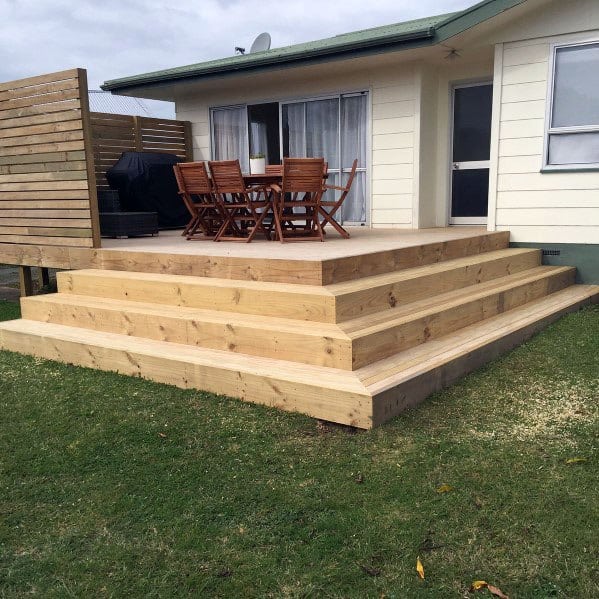
Wooden decks have captivated homeowners for decades, not merely because of their aesthetic charm but also due to their functional allure. The elegance of wood, combined with the allure of outdoor living, makes wooden decks an irresistible addition to any property. However, the incorporation of steps into your deck design can elevate the overall experience. This article will delve into various design ideas for wooden decks with steps and provide valuable building tips, ensuring your outdoor space is both practical and enchanting.
1. Establishing the Purpose of Your Deck
Before embarking on your deck design, it is crucial to define its purpose. Will it primarily serve as a social gathering space, a tranquil retreat, or a functional extension of your indoor living area? Understanding the primary function of your deck will help inform your design choices, including the number and style of steps you might require. For instance, a deck primarily used for entertaining may benefit from wider, more robust steps that can accommodate guests, whereas a deck intended for intimate gatherings may allow for slimmer, more slender steps that blend seamlessly with the overall design.
2. Choosing the Right Wood
The selection of wood is a pivotal decision in your deck design. Popular options include teak, cedar, and pressure-treated pine, each offering unique advantages. Teak is renowned for its durability and natural resistance to decay, making it an excellent choice for high-end designs. Alternatively, cedar provides a beautiful aesthetic coupled with insect-repelling qualities. The choice of wood not only influences the deck’s longevity but also its overall appearance, colour, and texture. A well-selected wood can serve as a stunning backdrop for your steps, enhancing the visual appeal of your outdoor space.
3. Integrating Steps into the Design
The design and placement of steps require thoughtful consideration. Steps can be simple, functional elements, or they can serve as decorative features that enhance the overall ambience of your deck. A popular trend is to build built-in benches or planters beside the steps, pooling the functionality with aesthetic appeal. Curved steps can bring a sense of fluidity to the design, creating an inviting entrance. Furthermore, multi-level decks with cascading steps can increase visual interest, drawing the eye upwards while giving a sense of depth and dimension to the outdoor space.
4. Safety Considerations
While creativity is essential, safety must reign supreme. The steps should be designed to not only complement the deck but also to ensure the safety of all users. Opt for non-slip materials, especially if the deck is exposed to rain or dew. The rise and run of steps should adhere to building codes, typically a rise of no more than 7 inches and a tread depth of at least 11 inches. Additionally, consider incorporating handrails if the deck height requires them; this adds a layer of security and can be styled to harmonise with the overall design theme.
5. Adding Visual Interest with Railing Designs
The railing around your deck steps should be an extension of the design rather than an afterthought. Choose materials that complement the wood of your deck, whether it be wrought iron, glass, or even cable railings for a modern twist. Railing height should also follow safety regulations, but this does not mean sacrificing style. Decorative elements such as lattice work or intricate balusters can add a touch of character to your space, creating a cohesive look that resonates with the rest of the deck.
6. Enhancing Ambience with Lighting
Illuminating your deck steps can transform the atmosphere in the evenings. Integrated lighting is not only practical but serves to accentuate the architectural elements of your deck. Inset lights within the tread of the steps or stylish wall sconces can create a warm, inviting glow. Solar lights also offer a sustainable option, providing illumination without the need for electrical wiring. Consider choosing warm-toned lights that complement your wooden deck, enhancing its natural beauty under moonlight.
7. Landscaping Around Your Deck
The area surrounding your deck also plays a significant role in its overall design. Thoughtfully designed landscaping can create a seamless transition from the natural environment to your outdoor space. Use native plants that thrive in your climate to reduce maintenance and create a harmonious look. Low-growing shrubs, ornamental grasses, or flowering plants can soften the edges of your deck while leading the eye naturally towards the steps. Additionally, a stone pathway can serve as a functional connection between the deck and your garden, encouraging exploration.
8. Maintenance Considerations
To preserve the beauty of your wooden deck and steps, regular maintenance is imperative. This includes cleaning, staining, and sealing to protect against the elements. Choose high-quality finishes that enhance the wood’s natural colours while providing a safeguard against moisture and UV damage. Incorporating maintenance-friendly materials along the steps, such as composite decking for the treads, can also minimise the upkeep required while ensuring durability.
9. Personal Touches
Your deck is an expression of your personality, and incorporating personal touches can make it feel uniquely yours. Consider adding outdoor rugs, cushions, or decorative pillows to the steps or surrounding seating areas. Customised planters or vertical gardens can introduce colour and life, while upcycled furniture can showcase creativity and sustainability. Each element contributes not only to the aesthetic but also to the storytelling of your space, inviting friends and family to share in moments that matter.
In conclusion, designing a wooden deck with steps is an endeavour that combines art with practicality. The fusion of thoughtful design, safety considerations, and personal flair creates an outdoor environment that is sure to be treasured. With the right approach, your deck can be transformed into a charming retreat or an exquisite entertaining haven, evoking a sense of wonder that both invites admiration and inspires relaxation.
FAQ
What type of wood is best for building a deck?
Popular options include teak for durability, cedar for its aesthetic and insect-repelling qualities, and pressure-treated pine for cost-effectiveness.
How can I ensure safety when designing deck steps?
Use non-slip materials, adhere to building codes for step dimensions, and consider adding handrails if necessary.
What maintenance is required for a wooden deck?
Regular maintenance includes cleaning, staining, and sealing to protect the wood from moisture and UV damage.





Leave a Reply