Short Answer
Hyaluronic acid has garnered immense popularity in the skincare sector for its remarkable hydrating properties. But as with any skincare ingredient, questions arise regarding its compatibility with different skin types. One such question that often surfaces is: does hyaluronic acid cause breakouts? This inquiry beckons a closer examination of how this coveted ingredient interacts with various skin types, particularly for those predisposed to acne and other skin irritations.
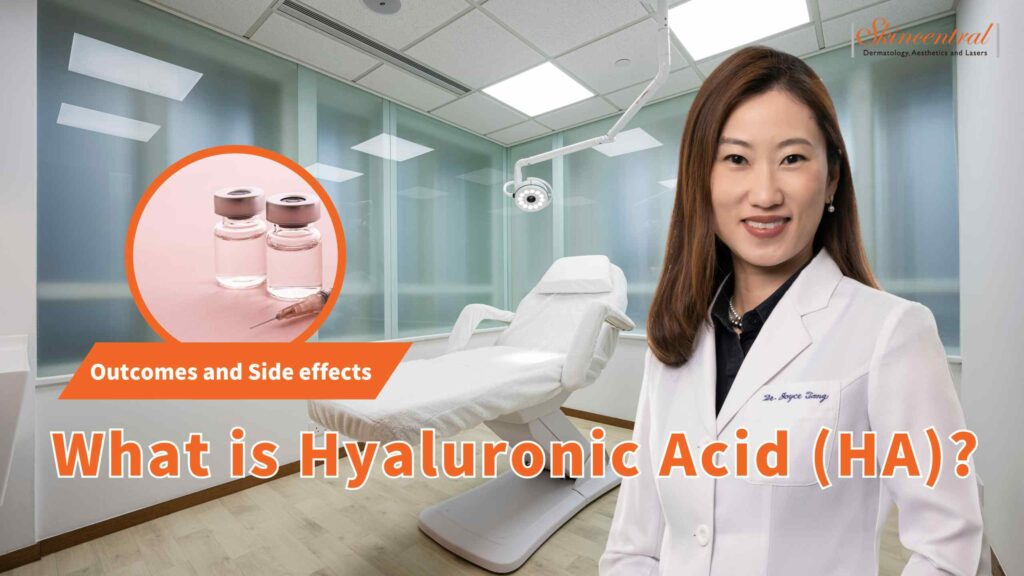
To embark on this exploration, it is vital to first understand what hyaluronic acid is. A naturally occurring substance, hyaluronic acid is predominantly found in connective tissues, skin, and cartilage. Its unique ability to retain moisture—holding up to 1000 times its weight in water—makes it a darling for those seeking dewy, hydrated skin. However, the inherent properties of an ingredient do not exist in isolation; they can influence the skin in multifaceted ways.
Let us pose a curious question: while hyaluronic acid claims to hydrate and plump the skin, could it paradoxically lead to breakouts? The challenge lies in identifying the nuances of how this ingredient operates within diverse skin environments.
First and foremost, one must consider the nature of hyaluronic acid itself. Generally, it is non-comedogenic, which means it does not clog pores. However, the efficacy of hyaluronic acid can be contingent upon how it is formulated and the additional ingredients that accompany it. Many skincare products mix hyaluronic acid with heavier oils or emollients that, while beneficial in their own right, may overwhelm the skin’s natural barrier and obstruct pores. This could result in a cascade of reactions leading to the dreaded breakout.
Additionally, the application method plays an equally crucial role. For instance, using hyaluronic acid on dry skin without proper moisturisation can create a moisture “void.” It draws moisture from deeper layers of the skin rather than the atmosphere, potentially leading to dehydration and compromised skin integrity. This environment may encourage skin to produce excess oil, a known precursor to breakouts.
Now, let’s delve into different skin types. A critical aspect of understanding whether hyaluronic acid can lead to breakouts lies in recognizing how it interacts with oily, dry, and combination skin. For oily skin types, the hydrating power of hyaluronic acid can be a veritable boon. When incorporated into moisturisers, it can provide the needed hydration without excessive heaviness. However, if combined with occlusive ingredients or applied in an improperly layered skincare routine, it can exacerbate acne-prone conditions.
On the flip side, dry skin types may benefit from hyaluronic acid when applied correctly. With its ability to replenish moisture, dry skin can feel revitalised and supple. Yet, if individuals neglect to follow up with a good moisturising cream, they may inadvertently create a scenario ripe for blemishes. The skin, feeling dry and deprived, may produce more oil in an attempt to compensate, thus instigating potential breakouts.
For combination skin, which features oilier areas along with drier patches, the strategic application of hyaluronic acid becomes paramount. When applied wisely to specific areas, it can achieve the balance of hydration without overwhelming the oilier sections. However, indiscriminate application across the face without considering unique skin zones can lead to complications.
Moreover, one cannot discount the influence of individual skin sensitivities and allergies. Some individuals may find that they react unfavourably not just to hyaluronic acid but to various chemical compounds in skincare formulations. A seemingly innocuous breakouts can sometimes be the result of a reaction to preservatives, fragrances, or even the full spectrum of ingredients present in a product containing hyaluronic acid rather than the star ingredient alone.
Furthermore, if skin is undergoing a transitional phase—say, from heavy winter moisturisers to lighter formulations in spring, or as it adjusts to new products—the reaction can often manifest as breakouts. This period of adjustment can make the skin more reactive, potentially leading to misattributing the source of the breakout.
So, what’s the verdict? Does hyaluronic acid cause breakouts? The answer is not black and white but a symphony of variables including formulation, skin type, and environmental conditions. It is advised for individuals who are susceptible to acne to approach hyaluronic acid judiciously. Start with a low concentration, monitor your skin’s reactions closely, and collaborate with a skincare professional if necessary.
In conclusion, while hyaluronic acid is generally revered for its skin-loving benefits, it’s crucial to wield it wisely. Listen to your skin; after all, it possesses unique needs and reactions. Rest assured, with a careful approach, you can enjoy the hydrating enchantment of hyaluronic acid without falling prey to unwanted breakouts. Remember, skincare is a journey of discovery. Finding the delicate balance that suits your skin may just unveil the luminous complexion you’ve been seeking.
FAQ
Can hyaluronic acid cause breakouts?
Hyaluronic acid is generally non-comedogenic, but its effects can vary based on formulation and skin type. It may lead to breakouts if combined with occlusive ingredients or used improperly.
What skin types benefit from hyaluronic acid?
Oily skin can benefit from hyaluronic acid when used in moisturizers, while dry skin types need to follow up with a good moisturizer to avoid potential breakouts.
How should I apply hyaluronic acid?
Apply hyaluronic acid on damp skin and follow with a moisturizer to seal in hydration. Avoid using it in a way that creates a moisture void.
FAQ
Can hyaluronic acid cause breakouts?
Hyaluronic acid is generally non-comedogenic, but its effects can vary based on formulation and skin type. It may lead to breakouts if combined with occlusive ingredients or used improperly.
What skin types benefit from hyaluronic acid?
Oily skin can benefit from hyaluronic acid when used in moisturizers, while dry skin types need to follow up with a good moisturizer to avoid potential breakouts.
How should I apply hyaluronic acid?
Apply hyaluronic acid on damp skin and follow with a moisturizer to seal in hydration. Avoid using it in a way that creates a moisture void.


Leave a Reply