
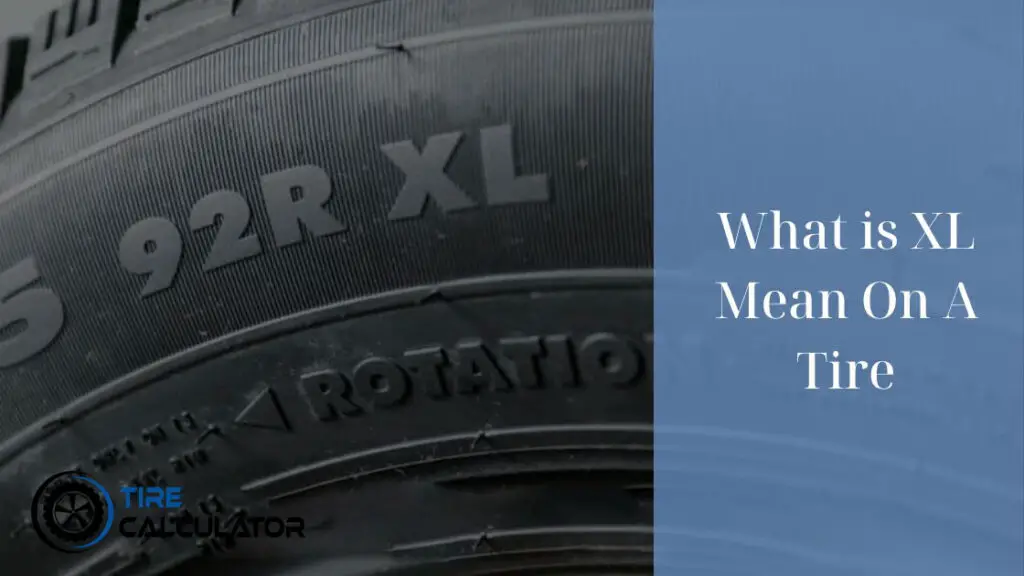
Navigating the labyrinthine world of tire specifications can feel like deciphering an ancient codex. Amidst the alphanumeric soup plastered on a tire’s sidewall, the designation “XL” often lurks, promising enhanced performance, but frequently misunderstood. What exactly does XL signify on a tire? It’s far more than just two letters; it represents a critical piece of information about load-bearing capacity, inflation pressures, and overall suitability for your vehicle. Prepare for an unspooling of knowledge; we’re diving deep.
Understanding Load Ratings: The Foundation
Before dissecting the XL designation, grasping the fundamental concept of load ratings is paramount. Every tire is assigned a load index, a numerical code correlating to the maximum weight the tire can safely carry when properly inflated. This index is not arbitrary; it’s meticulously determined through rigorous testing protocols. Think of it as a carefully calibrated scale, delineating the safe operational limits of the tire’s structural integrity.
For instance, a tire with a load index of 91 can carry 1356 lbs (615 kg). This value is crucial for ensuring the vehicle’s safety and handling characteristics remain within acceptable parameters. Exceeding the tire’s load capacity can lead to catastrophic failures, compromising vehicle control and potentially resulting in accidents. Therefore, understanding and adhering to the recommended load index is non-negotiable.
The XL Designation: An Augmented Reality for Load Capacity
Here’s where the “XL” designation enters the narrative. XL, short for “Extra Load,” signifies that the tire possesses a higher load-carrying capacity compared to a standard load (SL) tire of the same size. Essentially, an XL-rated tire is engineered with reinforced internal construction, enabling it to withstand greater pressures and, consequently, support heavier loads.
Specifically, an XL tire is designed to operate at a higher maximum inflation pressure than its SL counterpart. This elevated pressure allows the tire to maintain its optimal shape and deliver the required load-bearing capability. It’s like adding extra scaffolding to a building; the reinforcement provides added strength and stability.
Decoding the Differences: XL vs. SL Tires
The distinction between XL and SL tires extends beyond mere load capacity. Several key differences influence their performance characteristics and suitability for various vehicles.
- Load Capacity: As previously mentioned, this is the most significant differentiator. XL tires offer a substantial increase in load-carrying capability, often exceeding the limits of standard load tires by a considerable margin.
- Inflation Pressure: XL tires require higher inflation pressures to achieve their rated load capacity. Ignoring this crucial detail can negate the benefits of the XL designation and potentially compromise safety.
- Construction: XL tires typically feature reinforced sidewalls and robust internal construction, utilizing advanced materials and manufacturing techniques. This enhanced construction contributes to their increased load-bearing capability and improved durability.
- Ride Quality: Due to their stiffer sidewalls, XL tires can sometimes deliver a slightly firmer ride compared to SL tires. This is a trade-off for the increased load capacity and enhanced handling characteristics.
- Applications: XL tires are commonly found on larger vehicles, such as SUVs, vans, and trucks, which require higher load-carrying capabilities. They are also increasingly utilized on passenger cars to enhance handling and stability, particularly in performance-oriented applications.
Determining the Right Choice: Vehicle Compatibility
Selecting the appropriate tire type, whether XL or SL, hinges on a careful assessment of your vehicle’s specifications and your specific driving needs. Consult your vehicle’s owner’s manual or the tire placard located on the driver’s side doorjamb for the recommended tire size and load index. Adhering to these recommendations is paramount for ensuring safe and optimal performance.
If your vehicle’s specifications call for an XL tire, substituting it with an SL tire could compromise its load-carrying capacity and potentially lead to tire failure. Conversely, installing an XL tire on a vehicle designed for SL tires may result in a harsher ride and reduced comfort, though it generally won’t pose a safety risk, provided the tire is inflated to the correct pressure for the vehicle’s load.
Beyond Load Capacity: Other Considerations
While load capacity is the primary focus of the XL designation, other factors also warrant consideration when selecting tires. Tire pressure monitoring systems (TPMS) play a crucial role in maintaining optimal inflation pressures, particularly for XL tires, which require higher pressures to achieve their rated load capacity. Regular tire inspections are also essential for identifying signs of wear, damage, or abnormal inflation patterns.
Furthermore, consider your driving style and typical usage patterns. If you frequently carry heavy loads or engage in aggressive driving, an XL tire may provide added stability and durability. However, if comfort and ride quality are your primary concerns, an SL tire may be a more suitable choice.
In Conclusion: Demystifying the XL Designation
The “XL” designation on a tire is far more than just a random label; it’s a critical indicator of enhanced load-carrying capability and reinforced construction. Understanding the nuances of XL tires, their differences from standard load tires, and their suitability for various vehicles is essential for ensuring safety, optimizing performance, and making informed decisions when selecting tires for your vehicle. By demystifying this seemingly arcane aspect of tire technology, you can navigate the world of tire specifications with confidence and make choices that align with your specific needs and driving conditions.






Leave a Comment