
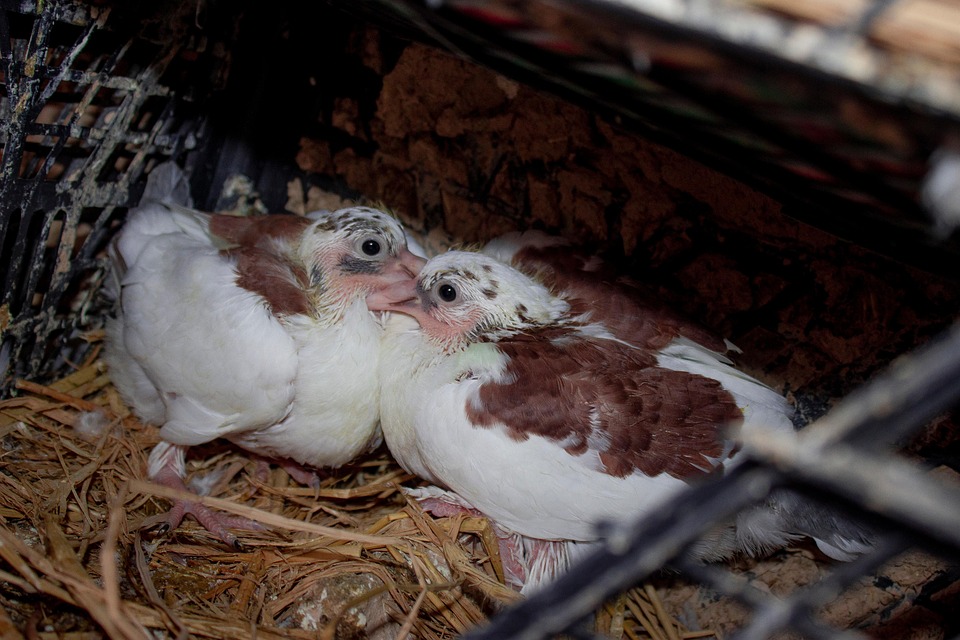
The nurturing of baby pigeons, commonly known as squabs, is an intricate process that demands both knowledge and attention. Understanding what these delicate creatures consume is vital for their health and growth. In this feeding guide, we will delve into their nutritional needs, dietary preferences, and essential care tips, ensuring that you are adequately equipped to support their development in the most effective manner.
To begin, it is essential to highlight that squabs are entirely dependent on their parents for nourishment in their early stages of life. When they are newly hatched, their diet consists primarily of a substance known as “pigeon milk.” This nutrient-dense secretion is produced in the digestive systems of parent pigeons and regurgitated to their young. This miraculous substance is rich in protein and fat, tailored specifically to the needs of squabs, facilitating rapid growth.
As squabs mature, typically around the age of two to three weeks, their dietary needs begin to diversify. At this juncture, they will start transitioning from the exclusive consumption of pigeon milk to solid foods. A pivotal aspect of this transition is introducing grains and seeds that are appropriate for their development. The feeding regimen at this stage should consist of a balanced mix of ingredients to ensure that they receive all necessary nutrients.
So, what exactly should you feed your baby pigeons? A prudent selection of seeds is vital. Commonly used seeds include:
- Canary Seeds – Recognised for their high protein content, these seeds are ideal for supporting the growth and overall health of squabs.
- Millet – A favourite among pigeons, millet is not only tasty but also provides vital carbohydrates for energy.
- Oats – Rolled or hulled oats can serve as an excellent source of fibre, aiding in digestion.
- Peas – These legumes are terrific for their protein, vitamins, and minerals, contributing to a well-rounded diet.
Once the squab begins eating solid food, it’s crucial to ensure that the seeds are fresh and clean, as stale or contaminated food can pose substantial health risks.
Moreover, water is an equally pivotal component of a squab’s diet. At around three weeks of age, they can begin drinking water on their own, which is essential for hydration and digestion. Providing clean, fresh water should be a consistent practice, as dehydration can have severe consequences for their health.
As caregivers, awareness of the typical feeding behaviour of pigeons is vital. They tend to feed several times a day, so offering small amounts of food frequently is generally more beneficial than providing a large quantity all at once. Monitoring their eating habits can also help you ascertain if they are thriving or if there are any underlying health issues. Look for signs of growth, such as weight gain and increased activity levels.
Alongside their primary diet, introducing a few supplementary items can enhance their nutritional intake. Consider the following additions:
- Fresh Fruits and Vegetables – Small pieces of apples, carrots, or leafy greens can provide essential vitamins and minerals. However, be cautious with the quantity, as too much can upset their stomach.
- Commercial Pigeon Food – These products are specifically formulated to meet the dietary needs of pigeons and can be a convenient option for varied nutrition.
It’s imperative to introduce new foods gradually to avoid gastrointestinal distress. Observe and adjust based on the squab’s reactions to different foods, ensuring a gradual and gentle transition.
Care does not stop at feeding. Maintaining a clean environment is paramount for the health of baby pigeons. Their living space should be free from waste, as this can lead to bacterial growth and disease. Regularly replace bedding and clean the feeder and water containers to provide a hygienic space conducive to healthy growth.
In addition to proper nutrition and hygiene, social interaction is crucial in developing a well-rounded squab. Engaging with the baby pigeon through gentle handling can foster a trustful relationship, making it easier for them to adapt to human presence while reducing stress levels. This engagement plays an integral role in their psychological well-being.
Furthermore, if there are concerns regarding the squab’s health or feeding, consulting with a veterinarian experienced in avian care is highly recommended. They can provide tailored advice on dietary needs, health checks, and any medical intervention necessary to ensure the squab thrives.
In conclusion, ensuring that baby pigeons receive adequate nutrition is vital to their growth and health. By adhering to a balanced diet predominantly featuring pigeon milk initially, followed by a diverse array of seeds, grains, and fresh foods, combined with maintaining high hygiene standards and social interaction, caregivers will provide a solid foundation for their development. With the right care, baby pigeons can thrive and grow into healthy adults, ready to take flight and explore the world beyond their nest.




Leave a Comment