
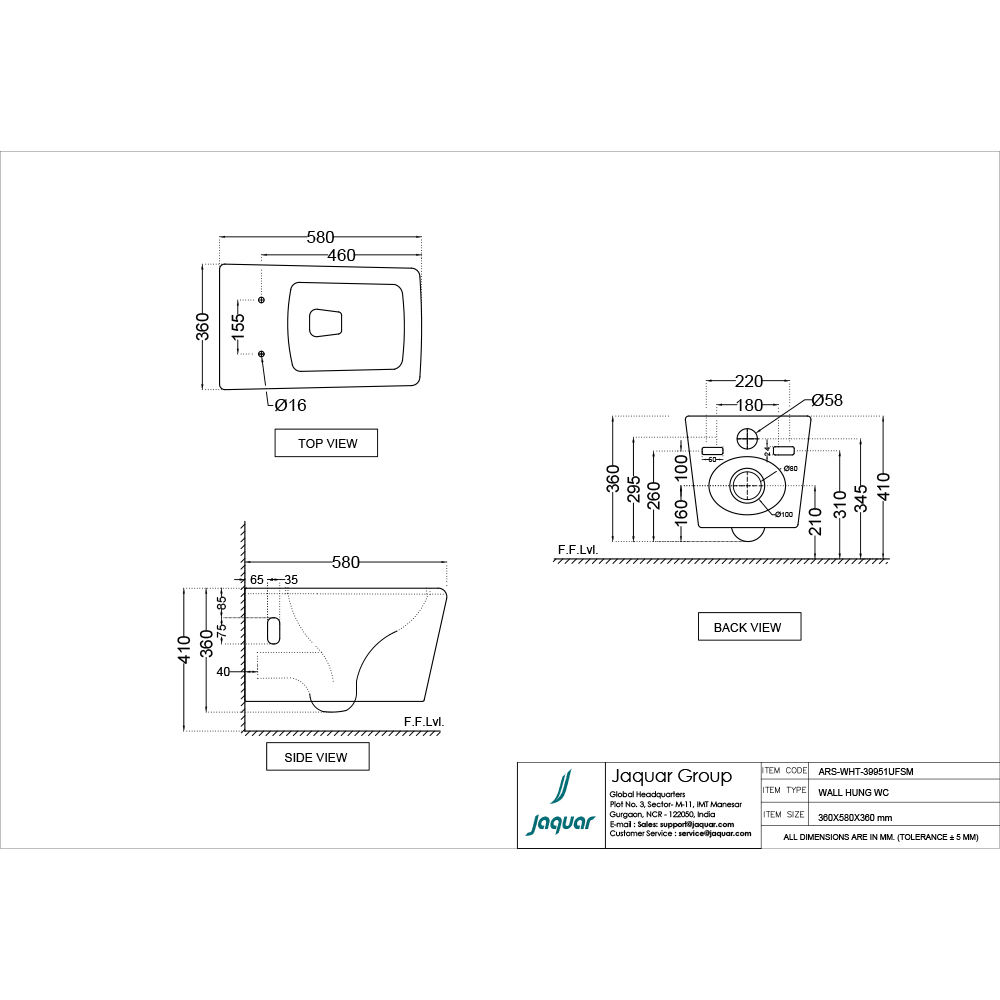
When it comes to remodelling a bathroom, wall hung toilets have emerged as a contemporary choice, transcending traditional designs while promising an upscale touch. These toilets not only exude modern aesthetics but also offer a practical solution to space constraints. However, understanding the height measurements for wall hung toilets is pivotal in ensuring both comfort and functionality. This article delves into the standard measurements and provides installation tips to enhance your bathroom experience.
The Appeal of Wall Hung Toilets
Wall hung toilets are anchored directly to the wall, creating a visually appealing suspension above the floor. This design not only contributes to an uncluttered look but also makes cleaning significantly easier. By exposing more floor space, wall hung toilets can impart a sense of spaciousness, especially in smaller bathrooms. However, the aesthetic benefits are only part of the equation; proper installation and height adjustment are equally crucial.
Standard Measurements: Finding Your Height
Determining the ideal height for a wall hung toilet is crucial for user comfort and usability. The standard mounting height for wall hung toilets typically falls between 400mm and 450mm from the finished floor to the top of the toilet bowl. This range accommodates the majority of users, providing a level of comfort typically sought in a traditional installation. However, these standards can vary based on individual preferences and the needs of the family.
For children or shorter individuals, considering a lower height may alleviate discomfort during use. Conversely, taller users might prefer a height closer to 480mm. It is essential to factor in the user’s average height during the measurement phase to create a more personalised assessment. A bit of flexibility in height can make a significant difference in overall satisfaction with the fixture.
Wall Structure: Understanding the Installation Process
The installation of a wall hung toilet is not merely about affixing it to the wall; it involves integrating mechanics into the wall structure that must be robust enough to support the toilet’s weight. This is typically achieved through a sturdy frame or carrier system, which is anchored to the floor and wall of the bathroom. Before beginning the installation, it is vital to ensure the wall can support the weight, especially when considering the additional load while in use.
Wall hung toilets are often equipped with a concealed cistern, which simplifies plumbing connections while preserving aesthetic appeal. Ensure that accessible provisions for maintenance, such as inspection panels, are included in the design. An installation that allows for easy access is wise to allow for potential repairs in the future.
A professional plumber is usually best suited for this type of installation, especially to guarantee that all plumbing meets local codes and standards. Nevertheless, understanding the installation process can empower you to make informed decisions throughout your remodel.
Comfort and Accessibility
When it comes to toilets, comfort is paramount. The positioning of the toilet should promote a posture conducive to ease of use. Installing at the incorrect height might lead to inconvenience, which can be particularly troublesome for anyone with mobility challenges. The ideal toilet height should allow feet to rest comfortably on the ground, contributing to a natural sitting position that decreases strain on joints.
Employing grab bars can also enhance safety and accessibility, especially for elderly individuals or those requiring assistance. These fixtures can be strategically placed to complement the height of the wall hung toilet, offering stability and confidence while rising from a seated position.
Additional Considerations: Style Meets Functionality
Choosing the right wall hung toilet is as much about style as it is about functionality. The market offers a myriad of designs, from sleek minimalist forms to more ornate styles, to coordinate with varying bathroom themes. Pay attention to the shape of the toilet bowl; elongated bowls generally provide greater comfort than round ones, especially for larger users. Always consider ergonomics alongside aesthetics during selection.
Moreover, the materials used in construction can significantly impact durability and ease of cleaning. Opt for toilets made of high-quality ceramics that resist stains and are resistant to scratches. The glaze finish is equally important; a smooth, high-gloss surface will discourage the accumulation of dirt and grime, making maintenance less of a chore.
Budgeting for Your Wall Hung Toilet
Investing in a wall hung toilet can come with a higher initial cost compared to traditional floor-mounted options. However, when evaluating the long-term benefits such as increased home value, ease of cleaning, and modern aesthetics, it often proves to be a worthy investment. Be sure to factor in additional expenses related to the installation, including the cost for professional installation should you opt for that route.
Conclusion: Elevate Your Bathroom Experience
The wall hung toilet offers an innovative alternative that caters to both functional needs and aesthetic values. By adhering to standard measurements while contemplating individual preferences, you can create a bathroom environment that is both helpful and stylish. With the right knowledge, choosing and installing a wall hung toilet can transform an ordinary bathroom into an extraordinary retreat, ultimately elevating your overall living experience. Embrace this modern fixture and witness how it enhances both the physical space and your daily routines.





Leave a Comment