
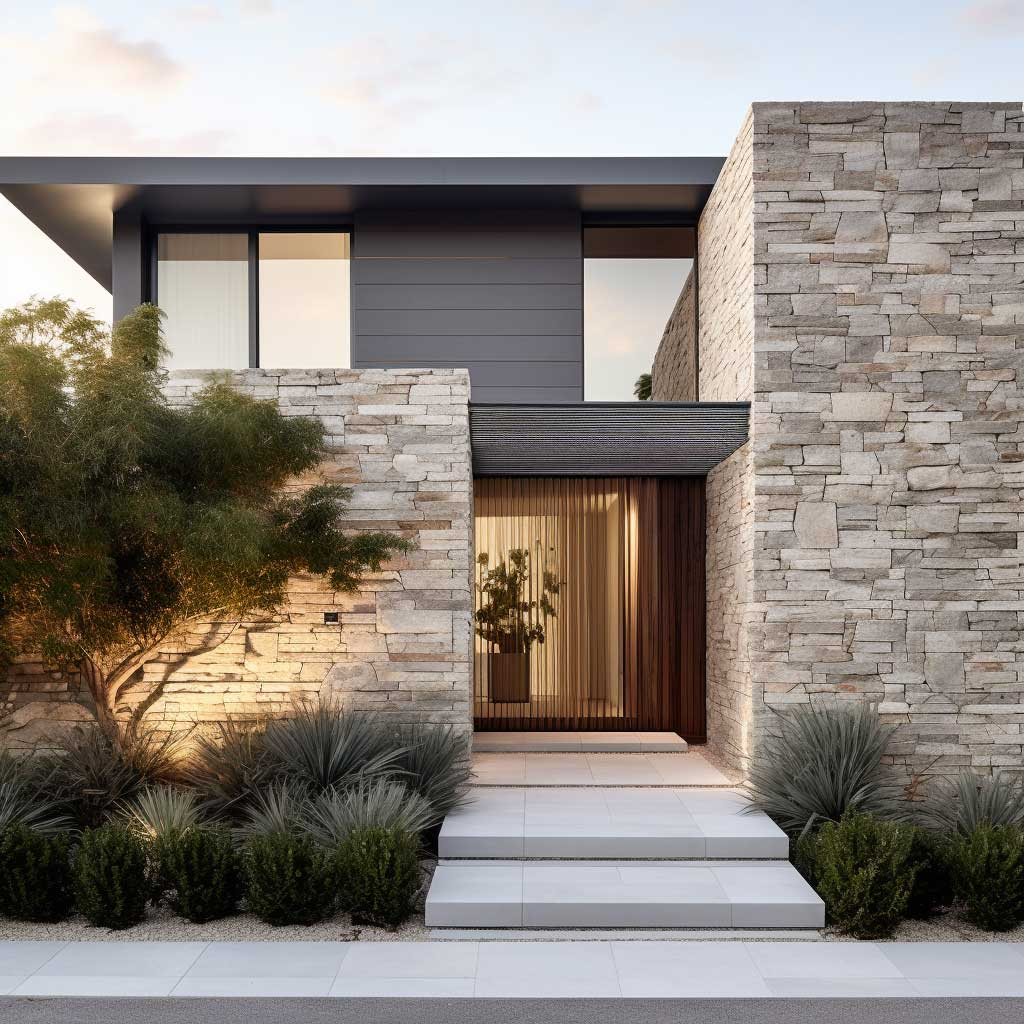
Stone cladding for outside walls is not merely a design choice; it is an architectural embrace of nature’s aesthetic prowess. Like a majestic mountain wearing its rocky attire, buildings adorned with stone cladding resonate with a timeless elegance, bridging the gap between the rawness of nature and human ingenuity. This article delves into the multifaceted world of stone cladding, exploring its costs, styles, and invaluable installation tips.
The Allure and Aesthetic of Stone Cladding
Imagine standing in front of a contemporary home, its exterior draped in intricately arranged pieces of natural stone. Instantly, you are transported to an era where buildings served as fortresses against the elements but also as canvases for artistic expression. Stone cladding marries function and form; it serves as a protective layer while offering a visual feast for the beholder. Its appeal lies not only in its earthly beauty but also in its extraordinary adaptability to various architectural styles—ranging from rustic cottages to sleek modern façades.
Beyond aesthetics, stone cladding provides an opportunity for environmental harmony. Many homeowners seek materials that echo their values of sustainability. Natural stone, with its minimal processing and longevity, stands as a reliable champion in the realm of eco-friendly building materials. As such, the adoption of stone cladding evokes a sense of connection to the landscape, grounding residences in their geographical context.
Exploring the Styles of Stone Cladding
The world of stone cladding is as diverse as the landscapes from which these materials originate. Each style tells a story, echoing the elemental characteristics of its surroundings.
- Traditional Dry Stone: This ancient method involves stacking stones without the use of mortar, creating a mass of stonework that is both artistic and functional. Ideal for rustic settings, dry stone retains an organic quality that blends seamlessly with its environment.
- Stacked Stone: Known for its modern edge, stacked stone comprises thin slices of rock layered to create depth and texture. This style renders an aesthetic akin to the grandeur of a soaring cliff, transforming urban spaces into natural havens.
- Flagstone: With its large, flat pieces, flagstone cladding emits a sense of tranquillity and steadiness, reminiscent of well-trodden paths in serene gardens. This style is perfect for enhancing outdoor spaces and patios, melding beautifully with lush greenery.
- Slate Cladding: The subtlety of slate cladding offers a sophisticated allure, characterised by its rich hues and unique textures. Slate is typically used for more refined spaces, inviting a sense of elegance and timeless sophistication.
Each style varies in cost, durability, and application, allowing homeowners to select the most fitting option based on their specific needs and aesthetic preferences.
Understanding the Costs of Stone Cladding
The financial implications of stone cladding range widely, influenced by factors like material choice, installation method, and regional pricing differences. On average, the cost of stone cladding can range from £30 to £100 per square metre, depending largely on the type of stone and installation complexity.
Natural stone, while stunning, often commands a higher price tag due to its quarrying and processing. In contrast, manufactured stone—a more cost-effective alternative—offers similar aesthetics at a fraction of the price. However, the ultimate decision is usually shaped by the overall vision for the property. A lesser expenditure may yield a visually uninspiring result, while investing in quality natural stone can significantly elevate the home’s value and appeal.
In addition to material costs, labour should also be factored into the budget. Hiring experienced stonemasons or skilled installers is crucial for ensuring quality workmanship. Poor installation can lead to moisture problems or aesthetic discrepancies that diminish the stone’s intended charm.
Installation Tips for Impeccable Results
When embarking on the journey of stone cladding, meticulous preparation is paramount. Here are some essential installation tips to ensure the project’s success:
- Choose the Right Base: The substrate onto which the stone will be installed should be structurally sound. Properly prepare the area by ensuring it is clean, dry, and, where necessary, insulated against damp conditions.
- Consider Weep Holes: Including weep holes can mitigate moisture build-up behind the cladding, safeguarding against deterioration over time. It is essential to plan the drainage effectively, as excessive moisture can compromise the integrity of the installation.
- Utilise Thin Set Mortar: Applying thin-set mortar instead of traditional mortar bed techniques can significantly reduce weight on the wall and facilitate a more straightforward installation process. Choose high-quality mortar designed specifically for stone applications to ensure durability.
- Follow a Pattern: A carefully planned layout will ensure a cohesive appearance. Explore various patterns and orientations to enhance the unique features of the stone while creating visual interest.
- Seal the Stone: Once installed, sealing the stone enhances its longevity and resilience against stains and weather elements. Choose a sealant that is compatible with the stone type to preserve its natural beauty.
In conclusion, stone cladding serves as a testament to nature’s beauty, enhancing exterior walls with a unique charm that endures through time. With a range of styles, a diverse cost spectrum, and practical installation tips, homeowners can navigate this rich tapestry of options to create façades that capture the imagination and elevate their properties. As the sun casts shadows upon a stone-clad wall, it is an enduring reminder of the harmony between architecture and the elemental essence of the earth itself.




Leave a Comment