
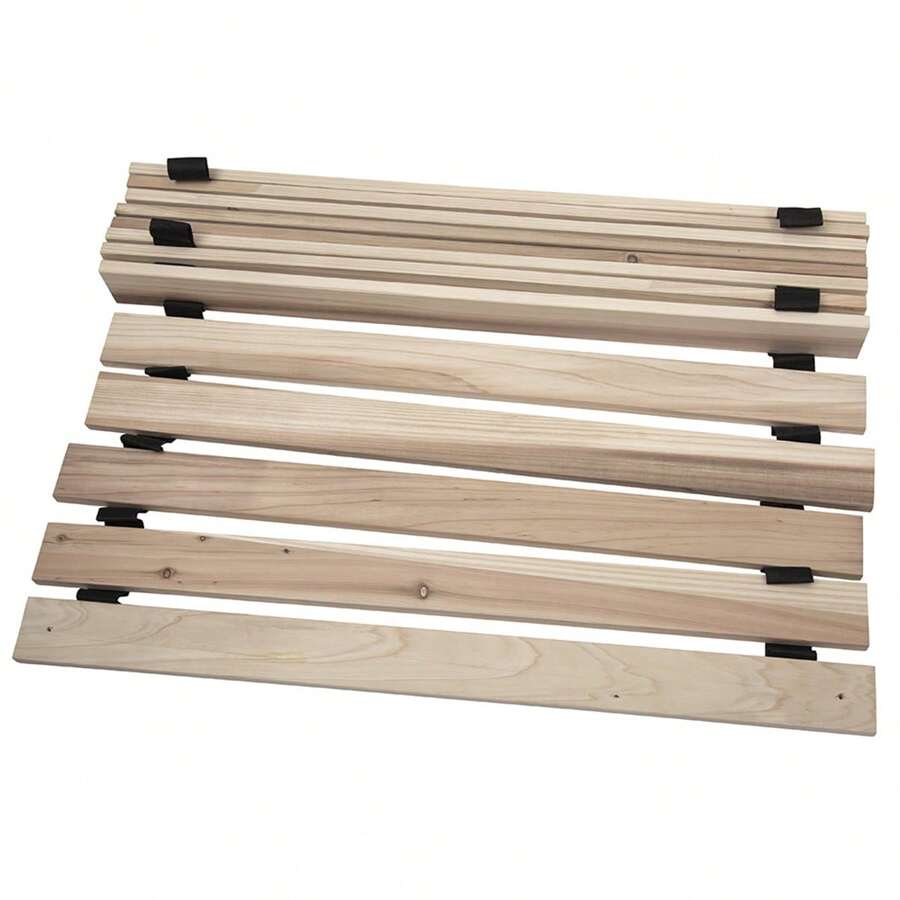
When it comes to the architecture of our sleeping spaces, the bed is undoubtedly the cornerstone. This critical piece of furniture not only provides a sanctuary for rest but also embodies elements of design and function. Among the myriad components of a bed, wooden bed slats often go unnoticed until they demand attention due to wear or damage. Replacement wooden bed slats can reinvigorate a mattress setup, addressing concerns of support and comfort. This guide will delve into the intricacies of these components, exploring their sizing, strength, and installation processes to facilitate informed decisions for anyone considering a replacement.
Understanding Wooden Bed Slats
Wooden slats serve as the backbone of a bed frame, distributing weight and providing vital support for the mattress. They are usually laid horizontally across the frame, underpinning the mattress and preventing it from sagging. The choice of material significantly impacts not only durability but also the overall aesthetic appeal of the bed. Birch wood, for instance, is a preferred option for slats due to its remarkable flexibility and strength. Its lighter weight allows for easier installation while still managing to uphold substantial weight loads. However, understanding the technicalities of bed slats extends beyond mere material selection.
Sizing Your Replacement Wooden Bed Slats
When considering replacements for bed slats, precise measurements are paramount. Slats come in various widths, lengths, and thicknesses. Common widths range from 2.5 to 10 cm, while lengths typically correspond to that of the bed frame—standard bed sizes include single, double, king, and super king. The thickness usually varies from 1 to 3 cm, with thicker slats offering greater strength. To ensure compatibility, take measurements of the existing slats or, if they’re missing, measure the internal width of the bed frame. Remember, the spacing between slats also plays a significant role in support; ideally, slats should be no more than 7-10 cm apart to prevent the mattress from sagging.
Assessing the Strength of Wooden Bed Slats
The strength of bed slats is a pivotal factor that determines the overall functionality of the bed. Materials used, alongside design factors such as slat spacing and thickness, contribute to their ability to support varying mattress types. Solid wood, like birch, oak, or beech, is often favoured due to its natural properties that enhance load-bearing capacity. For heavier mattresses, such as those made from memory foam or latex, sturdier slats may be necessary to avoid premature wear and tear. Moreover, it is crucial to consider whether the slats have a slight curve—this design innovation often maximises strength by enabling them to withstand increased weight without collapsing.
Installation of Replacement Wooden Bed Slats
The installation process for replacement slats is relatively straightforward and can be undertaken with minimal tools. Once you have procured the appropriate slats, prepare the workspace by ensuring the bed frame is clean and free from any lingering debris. Begin by laying the first slat in place, aligned with the mounting points on the frame. Generally, slats are positioned parallel to the headboard and footboard, with consistent spacing throughout. Use wood screws or wedges for firm anchorage, ensuring each slat sits evenly. Depending on the design of the bed frame, you might encounter slat holders or clips which can facilitate the installation process and add stability. Once all slats are installed, place the mattress back onto the frame; this is an excellent time to vacuum or clean the mattress before it is reinstalled.
Long-Term Maintenance of Wooden Bed Slats
Once installed, the journey isn’t quite over. Long-term maintenance of wooden bed slats is essential for ensuring prolonged support and durability. Regularly check the slats for any signs of warping or cracking, especially in climates of fluctuating humidity. A simple visual inspection every few months can prevent unexpected failures. Additionally, if a slat does require replacement, it is wise to replace it promptly to maintain uniform support across the mattress. Periodically, consider applying a wood treatment or polish to the slats, which can enhance their longevity while also adding to the bed’s aesthetic quality.
The Aesthetic Appeal of Replacement Wooden Bed Slats
The allure of wooden bed slats transcends mere functionality; they also contribute significantly to the visual aesthetics of the bed. Depending on the finish, wooden slats can complement various interior styles—from rustic charm to contemporary minimalism. Opting for slats that match or contrast creatively with the frame can create a striking visual narrative in the bedroom. Furthermore, the rich textures and natural patterns of wood introduce an organic feel that synthetic materials often lack.
Conclusion
In conclusion, the world of replacement wooden bed slats encompasses a multitude of considerations, from sizing and strength to installation and maintenance. As demands for comfort and style intertwine, making informed choices surrounding these components can significantly enhance both the functionality and aesthetic appeal of a bed. By understanding the technical specifications and fostering a sense of mindfulness in maintenance, one can ensure that the bed continues to provide solace for restful nights. Replace wisely, and your slats will not only support weight but also serve as a testament to the artistry and craftsmanship inherent in well-designed furniture.






Leave a Comment