
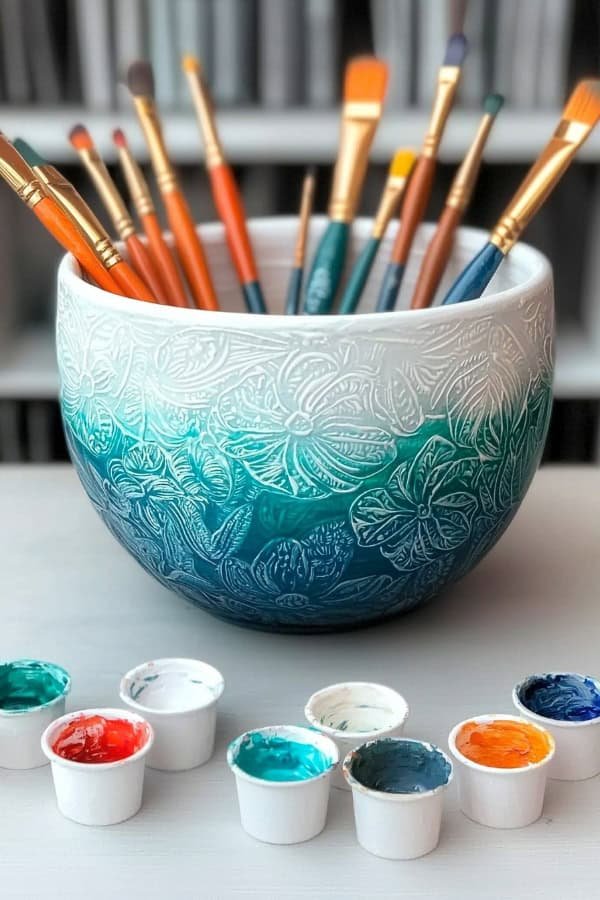
Embarking on a pottery-painting journey at home can be a delightful escapade, especially for those venturing into the world of arts and crafts for the first time. The myriad of intricate techniques and artistic possibilities await, making it an experience that fosters creativity and self-expression. This exploration will delve into various pottery painting kits available for beginners, from essential tools and materials to tips ensuring an enjoyable experience. So, whether you aspire to create ornamental pieces for your home or thoughtful gifts for loved ones, this guide will articulate the ideal way to commence your pottery painting adventure.
Understanding Pottery Painting
Pottery painting is an expressive art form that entails embellishing ceramics with colour, patterns, and designs. Unlike traditional painting where the canvas serves as a flat surface, pottery introduces three dimensions along with unique textures and contours. Consequently, it offers a more complex and rewarding canvas for artistic expression. Before selecting the right kit, it’s prudent to ascertain your artistic ambitions—will you be creating functional tableware or whimsical decorations? This fundamental question will guide your selections.
Essential Materials for Pottery Painting
The backbone of any pottery painting kit is its materials. A comprehensive novice kit typically includes:
- Bisque pottery pieces: Unfinished ceramics ready for embellishment. These protect against unintended mishaps, allowing you to focus on technique.
- Acrylic paints: Vibrant and versatile, these water-based paints are excellent for beginners, offering a spectrum of colours to choose from.
- Paintbrushes: A variety of brush sizes ensures the ability to execute fine details as well as broader strokes with finesse.
- Sealer or varnish: This final touch fortifies your artwork, ensuring longevity and durability, particularly for items meant to be functional.
- Palette or mixing tray: A necessity for blending colours and keeping your workspace organized.
- Sponge or sponge brushes: These tools are excellent for applying subtle texture and washing layers of colour smoothly.
Sourcing these components can be effortless. Many art supply stores offer beginner-friendly kit options, or you may prefer the convenience of online purchasing. Take note of participating local businesses that sell handcrafted ceramics; they often provide kits tailored specifically for the community.
Types of Pottery Painting Kits
The diversity among pottery painting kits is enthralling. Here are a few popular types:
- Functional Pottery Kits: Ideal for those wishing to craft dishware such as mugs, plates, and bowls. These kits usually include pottery that can withstand washing and daily use.Unless otherwise stated, ensure that the paints are food-safe and suitable for functional pieces.
- Artistic Decor Kits: These contain figurines, vases, or decorative items. Appropriate for purely ornamental projects, they allow more exuberant designs without concern for durability against washing.
- Seasonal and Themed Kits: Some kits focus on specific themes—Halloween, Christmas, or abstract designs. Great for adding a festive touch to your home, these can provide a structured experience for those unsure where to begin.
- Personalised Kits: Many companies allow custom orders, where you can select the shape of the pottery and colours, enabling a more tailored experience. Perfect for gift-making or souvenir creation, these kits inspire creativity with a personal touch.
Techniques to Explore
Once you have your kit ready, experimentation with various techniques can truly enhance your pottery painting project. Some fundamental methods revolve around the application, including:
- Sponging: Utilising a sponge provides unique textures and subtle gradients in colour, enhancing your pottery with an aesthetically pleasing finish.
- Stencilling: Stencils can produce uniform designs, aiding those new to pottery painting to create intricate patterns effortlessly.
- Blending: Expertly combining two or more colours can cultivate a beautiful ombre effect, elevating the visual appeal of your creation.
- Layering: This method involves the application of multiple, translucent colours, allowing for depth and complexity in your artwork. Each layer must be allowed to dry before applying the next.
Tips for an Enjoyable Pottery Painting Experience
To ensure a smooth and enjoyable painting experience, keep the following tips in mind:
- Prepare Your Workspace: An inviting and organised workspace promotes creativity. Cover your work surface and have all your materials within reach.
- Experiment and Don’t Fear Mistakes: Allow yourself the freedom to explore. If a design doesn’t turn out as expected, consider it a step in your learning curve.
- Practice Patience: Allow adequate drying time between layers of paint and finishes. Rushing can lead to fatigue and disappointment.
- Engage with Online Communities: Joining ceramic or pottery painting groups online can provide encouragement, guidance, and inspiration from those on similar journeys.
In conclusion, painting pottery at home is an inviting activity that combines creativity, relaxation, and skill-building. With the appropriate tools, a selection of engaging pottery painting kits, and a few techniques under your belt, the artistic possibilities are boundless. As you embark on this artistic journey, welcome the process, celebrate your creations, and relish the joy of bringing your imaginative visions to life.






Leave a Comment